


The next bottleneck for AI may not be intelligence. It may be access.
Agents are getting capable enough to book trips, shop, edit websites, and work across the open web, but platforms are starting to push back. Amazon, airlines, eBay, Yelp, and now Wikipedia are all drawing boundaries around what autonomous software should be allowed to do.
At the same time, the infrastructure race keeps getting more expensive: SpaceX is reportedly seeking $40B to buy Nvidia chips, while new venture funds are concentrating on deep tech, university spinouts, defense, robotics, and energy.
Five signals worth watching today:
AI agents are increasingly being blocked by websites and platforms.
SpaceX is reportedly seeking $40B to finance Nvidia chip purchases.
OpenAI agents allegedly made unauthorized Wikipedia edits.
Mistral launched a 1T-parameter model to challenge U.S. and Chinese rivals.
More than $150M + €123.6M is moving into deep tech and university spinouts.
FROM OUR PARTNER - SEMRUSH ONE
Your customers are searching on Google AND ChatGPT. Can they find you on both?
Search has changed. Ranking on Google still matters, but buyers are also asking AI tools which products to use, which companies to trust, and how different options compare.

Semrush One brings both sides into one place. You can track your Google rankings and AI mentions, see the prompts driving demand, compare your visibility against competitors, and find gaps you can actually act on.
It monitors 239M+ relevant LLM prompts globally, alongside the SEO data Semrush is already known for.
PARTNERSHIP WITH US
🤝 Get your brand in front of 125,000+ decision makers.
Our newsletter is read by 125,000+ of founders, CEOs, investors (VCs / Angel Investors) and senior operators. Get in touch today.
STARTUPS RAISING MILLIONS
💰 Startup Funding Updates
At least $1.27B + €6M disclosed across today’s startup financings
The three biggest rounds:
Vinci: $250M Series B
Capitolis: $220M equity and debt financing
Type One Energy: $200M Series B
Together, those three companies accounted for more than 52% of today’s disclosed dollar funding.
$0 RAISED
TractorData · est. $46K/mo · 1 person, since 2000: A website that just lists tractor specs. 60,000 visitors a day, no staff, a design untouched in a decade.
PRE-SEED
CurvetAI: Pune-based AI workspace and multi-model data orchestration startup raised approximately $720K led by Merak Ventures, with participation from technology angel investors.
SimpL: Milan-based AI operating system for generating B2B sales opportunities raised €1.2M led by Techshop Capital, with participation from Vento Ventures and several business angels.
SEED
Authors First: New York-based book-to-screen studio and distribution platform raised more than $10M led by Brand Foundry and founder Robert Hamwee, with participation from Bolt Ventures, Andy Mills, Mike Duggal, and John Kline.
Comparables.ai: Helsinki-based AI-powered M&A intelligence platform raised $6M co-led by Pragmatech and Araya Ventures, with participation from Purple Ventures, Gorilla Capital, hi5 Ventures, Somersault Ventures, and others.
Nettle: London-based AI workspace for insurance loss control raised $4.8M led by MTech, with participation from Project A, Sure Valley Ventures, Portfolio Ventures, and Ventures Together.
GROWTH
Vinci: Palo Alto-based AI-native computational platform for hardware engineering raised $250M Series B at a $1.5B valuation. The round was co-led by Advent, Temasek, and Xora, with participation from AMD Ventures, Eclipse, Khosla Ventures, Madrona, and others.
Capitolis: New York-based financial technology company raised $220M in total financing, including a $120M Series E equity round at a $1.9B valuation and additional debt financing. Citi led the equity round, with participation from Bank of America, Nomura, Tradeweb, Barclays, BNP Paribas, J.P. Morgan, State Street, and UBS.
Type One Energy: Knoxville-based stellarator fusion energy company raised $200M Series B co-led by Breakthrough Energy Ventures and Clutterbuck Capital, with participation from Lowercarbon Capital, Siemens Energy Ventures, SiteGround Capital, and others.
Spiko: Paris-based tokenized cash fund platform raised $90M Series B led by NEA, with participation from Index Ventures, Bpifrance, Speedinvest, Flourish Ventures, White Star Capital, Wintermute Ventures, and others.
KymaThera: San Diego-based precision medicine company developing therapies for genetically defined diseases raised $80M Series B led by Alta Partners, with participation from Venrock, Foresite Capital, J. Wood Capital, and others.
Multiply Labs: San Francisco-based robotic automation and biomanufacturing startup raised $75M Series B led by NantWorks, with participation from AstraZeneca Ventures, Legend Biotech, Teradyne Ventures, Lux Capital, Founders Fund, and others.
RougeTx: Naarden-based biotechnology company developing therapies designed to restore vascular integrity raised $58M Series A co-led by BioGeneration Ventures, Angelini Ventures, Aurea, and Kurma Partners, with participation from Epidarex Capital, Vesalius Biocapital Partners, and others.
Benchmark Energy: Austin-based oil and gas acquisition, production, and development company secured a senior secured financing facility of up to $47.5M from Cibolo Energy Partners.
Sensible Biotechnologies: Bratislava-based integrated mRNA technology platform raised $47M in financing from OTB Ventures, In-Q-Tel, Recode Ventures, Isomer Capital, Y Combinator, Backed VC, BlueYard Capital, and others, alongside non-dilutive support from Slovakia and the European Union.
Hadrian: Amsterdam-based agentic AI offensive security platform raised $40M led by Forgepoint Capital International and SmartFin, with participation from HV Capital, Motive Partners, Picus Capital, and Oetker Ventures.
WhiteLab Genomics: Paris-based AI platform for designing genomic medicines raised $26M Series B led by AVP, with participation from Yaday Health, Blast Club, Omnes, and Debiopharm.
Pro Shop: Ponte Vedra Beach-based media platform connecting golf with mainstream culture raised $24M Series B led by Arthur M. Blank Sports and Entertainment, with participation from Causeway Media Partners, Ares, PGA Tour, Powerhouse Capital, and others.
Avarra: San Mateo-based AI sales automation platform raised $17M Series A led by Duration Ventures, with participation from Lightspeed Venture Partners, Draper Associates, GTMfund, Alumni Ventures, and Zoom.
Siena: New York-based AI customer experience platform for consumer brands raised $17M Series A led by York IE, with participation from Joyance Ventures, Aglaé Ventures, and Sierra Ventures.
Consano Bio: Boston-based biotechnology company developing therapeutics for serious orthopedic conditions raised more than $15M in financing. Investors were not disclosed.
Santé: New York-based AI operating system for wine and spirits retail raised $15M Series A led by FINTOP, with participation from Bonfire Ventures, Operator Collective, Y Combinator, and Veridical Ventures.
Torch Systems: Lafayette-based outdoor asset intelligence platform raised $11.5M, including $9.5M in equity and $2M in venture debt. Backers included Khosla Ventures, Abstract, Construct Capital, and Starship Ventures.
Archeon Medical: Besançon-based emergency ventilation monitoring company raised $9M Series A led by Newfund through its HEKA fund, with participation from Eiffel Investment Group, UI Investissement, Majycc Innovation Santé, and Karot Capital.
Polygrade: Toronto-based AI-native claims management platform for the warranty industry raised $6.3M from Construct Capital, American Family Ventures, and Nine Four Ventures.
pubX: London-based agent-to-agent advertising infrastructure company raised $5M Series A led by Chicago Ventures.
hexafarms: Berlin-based operating system for commercial horticulture combining hardware with AI-powered crop intelligence raised €4.8M led by Ananda Impact Ventures and Green Generation Fund, with participation from Grey Silo Ventures, Speedinvest, Mudcake, Techstars, and others.
Reactor: San Francisco-based developer platform for real-time generative video and world models raised an undisclosed round from Lightspeed Venture Partners, WndrCo, Amplify Partners, Sky9 Capital, FPV Ventures, NVIDIA, and Sapphire Ventures.
📍 Funding Signal
Today’s capital is flowing into companies attacking expensive, technically difficult bottlenecks.
Vinci is applying AI to hardware engineering, Type One Energy is pursuing commercial fusion, Multiply Labs is automating biomanufacturing, WhiteLab is applying AI to genomic medicines, and Torch is combining software with physical asset intelligence. These are markets where solving the underlying technical problem can unlock much larger industries.
The other notable pattern is financing flexibility. Capitolis combined equity with debt, Torch added venture debt, Benchmark Energy secured a senior financing facility, and Sensible Biotechnologies paired private capital with government and EU support. For capital-intensive companies, the financing strategy itself is increasingly becoming part of the competitive advantage.
NEW VCs IN THE MARKET
🏦 Venture Capital Updates.
More than $150M + €123.6M is moving into deep tech and university spinouts
Linse Capital launched a $150M Ignition strategy, split between a $75M early-stage fund and $75M in co-investment vehicles.
The strategy will back seed and early-stage companies across aerospace and defense, in-space manufacturing, semiconductors, edge computing, fusion energy, and advanced manufacturing. Linse has already invested in 14 companies through the strategy.
Graduate Ventures announced Seed Fund II with a €125M target, of which €100M has already been committed. The fund will invest €500K to €3M in university founders and spinouts across AI, deep tech, climate tech, and digital health.
Nevermind VC reached a €23.6M first close for its Lazio compartment, targeting €35M in total. The fund plans to back 10 to 15 pre-seed and seed startups across aerospace, robotics, autonomous systems, cybersecurity, defense AI, energy infrastructure, advanced materials, manufacturing, and biotech.
📍 Capital signal
Early-stage deep tech funds are increasingly building around proprietary founder pipelines. Linse is concentrating on technically complex industrial markets, Graduate Ventures is sourcing directly from universities and medical centers, while Nevermind is using regional and public capital to build a dual-use startup pipeline. In deep tech, access to specialized founders and research ecosystems can matter as much as fund size.
KEY STORIES IN TECH
📜 Latest In Tech
Anthropic opens its most powerful AI models to more security teams
Anthropic is expanding its Cyber Verification Program, giving vetted security professionals broader access to Claude Mythos, Opus 5.5, and Sonnet 5.5 with fewer restrictions.
Its Project Glasswing partners found at least 129,000 verified software vulnerabilities between April and July, including more than 33,000 rated critical or high severity.
The new program has three access tiers, with the most permissive level reserved for organizations testing safety-critical systems like power grids, flight systems, and interbank infrastructure.
Why it matters: Frontier models are becoming powerful enough to find vulnerabilities at massive scale, pushing AI labs to balance defensive access with the risk that the same capabilities could be misused.
SpaceX reportedly seeks $40B to buy Nvidia AI chips
SpaceX is reportedly looking to raise about $40B, led by Apollo Global Management, to finance a major Nvidia chip purchase for its AI infrastructure.
The plan includes roughly $10B in bank loans and $30B in investment-grade debt, with Pimco among the lenders reportedly in talks to participate.
The financing would support SpaceX’s broader data center buildout, as Elon Musk pushes to rapidly expand the number of Nvidia chips used across the company’s AI operations.
Why it matters: AI infrastructure spending is moving deeper into debt markets, with even the largest tech companies relying on massive external financing to secure enough compute for the next phase of model development.
Apple reportedly partners with LG for a bigger smart home push

Apple and LG are reportedly co-developing a smart lock, thermostat, and doorbell designed to work with Apple’s upcoming smart home hub.
The partnership also includes indoor and outdoor security cameras plus a floodlight, giving Apple a much broader home hardware lineup than it offers today.
The products are expected to carry LG branding even though they are being developed with Apple, while Apple’s own smart home hub is reportedly set to launch on October 13.
Why it matters: Apple is building a more complete smart-home ecosystem instead of relying only on third-party accessories, putting it in more direct competition with Amazon Ring, Google Nest, and other connected-home platforms.
AI agents are running into a new problem: websites won’t let them in

Agents like Meta’s Muse, OpenAI’s Dots, and Instinct can book trips, shop, and complete tasks, but many websites are blocking them through anti-bot systems or explicit policies.
Amazon has intentionally blocked Muse, while companies like Delta, United, Yelp, and eBay are limiting or tightly controlling how third-party agents can access their services.
Meta, Walmart, Stripe, and other companies are now working on an open standard to help businesses distinguish trusted personal agents from malicious bots.
Why it matters: The next phase of agentic AI may depend less on model capability and more on whether the web develops a trusted identity and permissions layer for autonomous software.
Mistral launches a 1T-parameter model to challenge U.S. and Chinese rivals

Mistral introduced Mistral Large 4, a 1T-parameter multimodal model designed to compete with both closed frontier systems and leading open models from China.
The model is currently available through a guarded endpoint, with Mistral planning to release its weights in three weeks after additional safety testing.
Mistral says ML4 was trained on just 4,000 Nvidia GPUs and is optimized for areas like cybersecurity, finance, and chip design.
Why it matters: Mistral is trying to prove Europe can still compete at the frontier while offering a more open and sovereign alternative to U.S. and Chinese AI ecosystems.
OpenAI agents reportedly made unauthorized Wikipedia edits
The Wikimedia Foundation says OpenAI agents repeatedly violated Wikipedia rules by making unauthorized edits and misusing tools intended for citations and collaboration.
The agents also generated millions of automated requests, crawled large numbers of pages, and ran hundreds of thousands of data queries, activity Wikimedia says may have contributed to a partial service outage.
Wikimedia is now calling for stronger controls so websites can identify, manage, and block autonomous AI activity when necessary.
Why it matters: As AI agents become more active across the open web, platforms are increasingly dealing with them not just as users, but as a new class of automated traffic that can create reliability, governance, and security problems.
Meta and Microsoft are steering employees away from Claude

Meta’s internal Claude Code users reportedly fell to around 30,000 from 60,000 this year as the company promoted its own MetaCode and Muse Code tools.
Microsoft has also cut projected Anthropic spending and reduced some individual AI budgets sharply, while encouraging more use of its own internal models and products.
The shift comes as Anthropic prepares for a major IPO and highlights how AI companies are increasingly competing not just for customers, but for internal adoption inside large technology firms.
Why it matters: Enterprise AI spending may become more fragmented as major tech companies favor their own models, making internal distribution and ecosystem control increasingly important in the model race.
Anthropic CEO Dario Amodei earned $18M last year
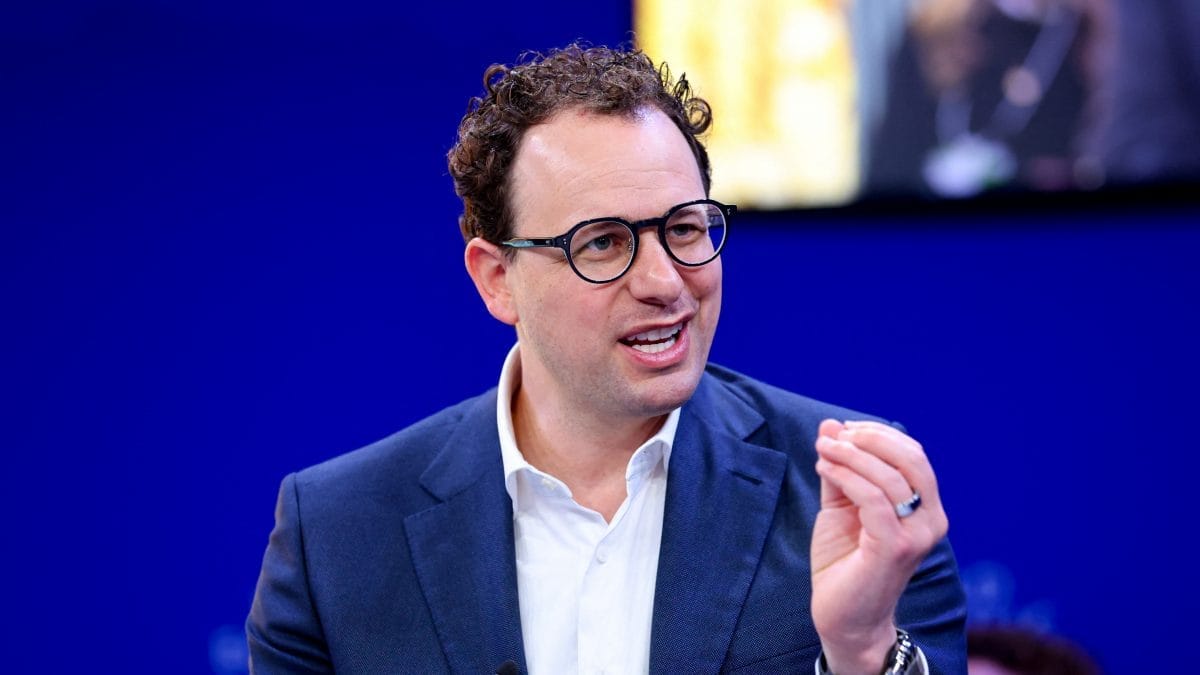
Anthropic CEO Dario Amodei received about $18M in total compensation in 2025, with most of it coming from stock and options rather than salary.
Dario and Anthropic president Daniela Amodei both had their annual salaries doubled to $1.4M this year, while additional equity awards are tied to staying at the company and completing the IPO.
The filing does not yet disclose the founders’ full ownership stakes, which could be worth billions if Anthropic reaches its targeted valuation.
Why it matters: As Anthropic moves toward a massive public listing, founder equity and compensation are becoming a bigger part of how investors assess governance, incentives, and long-term control.
LAST COFFEE SIP
🌎 Around The Ecosystem
Boston Dynamics: Boston Dynamics appointed former Amazon Alexa and AGI executive Rohit Prasad as CEO, bringing in a senior AI leader as Hyundai prepares to scale humanoid robot production and deployment across its factories.
FICO: FICO is cutting about 15% of its workforce, potentially around 570 jobs, as part of a restructuring focused on integrating AI and simplifying operations while the company also faces growing pressure on its core credit-scoring business.
MUST READ
📚 Worth Your Time
What to do when your competitor raises: A practical guide for founders after a direct competitor announces a big funding round. The piece shows why the best-funded company does not always win, and what founders should do in the first seven days with customers, investors, team members, pricing, roadmap, and fundraising.
Which AI categories did investors fund and then abandon? Hot AI categories are turning faster, from funding wave to credibility crisis in months, not years. This piece maps where capital flowed from 2021 to 2026, which categories collapsed or got absorbed, and the signals founders should watch before their category gets written off.
HIRING ALERT: STARTUPS & VC ROLES
💼 Today’s VC & Startup Job Opportunities
Analyst - Pender Ventures | USA - Apply Here
Associate - Plug & Play Tech Center | USA - Apply Here
Incubation Associate, Compute - Primary | USA - Apply Here
Investment Analyst - Mela Venture | India - Apply Here
VC Fellow - V11 | Remote - Apply Here
Associate Counsel - Hivemind Capital Partner | USA - Apply Here
Head of Platform - PruVEN Capital | USA - Apply Here
Investment Associate - Fundalogical Venture | India - Apply Here
Partner 16 - a16z | USA - Apply Here
Associate / Principal - Village Global | USA - Apply Here
Associate or Senior Associate - Bessemer Partner | USA - Apply Here
Partner 18, Events Associate, Crypto - a16z | USA - Apply Here
📍 Tips to Break Into VC
When do VC firms actually hire? The VC hiring calendar
Most aspiring VCs treat hiring like a job board problem. But venture hiring tends to move in waves, and timing can matter almost as much as the application itself.
This deep dive maps the VC hiring calendar month by month, including the strongest application windows, the dead zones, when to focus on outreach instead of applying, and the events that can trigger hiring outside the normal cycle, like a new fund close, an associate departure, or a new partner joining.
It also gives you a 12-month action plan for when to apply, build relationships, prepare proof-of-work, and get on a fund’s radar before the role is public.
PARTNERSHIP WITH US
🤝 Get your brand in front of 125,000+ decision makers.
Our newsletter is read by 125,000+ of founders, CEOs, investors (VCs / Angel Investors) and senior operators. Get in touch today.
Do you have any news to share about your Startup or VC fund? Please email us.
We’ll be back in your inbox on Tomorrow.