


AI is moving from answering questions to actually doing things.
The next battleground is becoming execution: controlling computers, handling workflows, operating hardware, and eventually acting across real-world systems. That shift could matter more than another small jump in benchmark performance.
At the same time, more than $38M + €66M is moving into funds built around regional access, fintech infrastructure, and early-stage AI.
Five signals worth watching today:
Apple is reportedly building an AI agent that can control your Mac.
Google is giving Gemini the ability to operate macOS.
Anthropic raised more than $100B around its IPO while carrying over $1T in future infrastructure commitments.
Intuit sold Mailchimp for $3.68B after buying it for roughly $12B.
Google tapped Blue Origin for an AI computing satellite mission in 2029.
FROM OUR PARTNER - SEMRUSH ONE
Your customers are searching on Google AND ChatGPT. Can they find you on both?
Search has changed. Ranking on Google still matters, but buyers are also asking AI tools which products to use, which companies to trust, and how different options compare.

Semrush One brings both sides into one place. You can track your Google rankings and AI mentions, see the prompts driving demand, compare your visibility against competitors, and find gaps you can actually act on.
It monitors 239M+ relevant LLM prompts globally, alongside the SEO data Semrush is already known for.
PARTNERSHIP WITH US
🤝 Get your brand in front of 125,000+ decision makers.
Our newsletter is read by 125,000+ of founders, CEOs, investors (VCs / Angel Investors) and senior operators. Get in touch today.
STARTUPS RAISING MILLIONS
💰 Startup Funding Updates
At least $1.16B + €29.9M + £2M + C$40M disclosed across today’s startup financings
The three biggest rounds:
Science: $400M Series D
MegaRobo Technologies: nearly $200M
Variational: $110M Series B
Together, those three companies accounted for roughly 61% of today’s disclosed dollar funding.
$0 RAISED
Trialfacts · 20 years · 40+ team · competing with IQVIA: A bootstrapped patient-recruitment shop in a $4.49B market the giants don’t own. (Read Here)
PRE-SEED
Newsbound: Tel Aviv-based AI-powered PR platform raised $3M led by Joule Ventures and State of Mind Ventures, with participation from 91 Ventures.
SEED
Remanence: Paris-based agentic AI startup raised $30M co-led by EQT Ventures and FirstMark, with participation from Zero Prime Ventures, Emblem, Drysdale Ventures, Global Founders Capital, and others.
Nodal Networks: Los Angeles-based AI decision intelligence platform for container terminals raised $11.3M led by Eniac Ventures, with participation from NewRoad Capital Partners, Riot Ventures, Trail Mix Ventures, and Liquid 2 Ventures.
each::labs: San Francisco-based production platform for generative media raised $7M co-led by Revo Capital and the European Bank for Reconstruction and Development.
Modern Industrials: New York-based AI platform for manufacturers and distributors raised $6M led by Glasswing Ventures and TMV, with participation from a16z speedrun and others.
Lato: London-based AI-powered market research platform raised $4.7M co-led by Air Street Capital and Axiom Partners, with participation from Y Combinator, Montis VC, Inception Fund, and angel investors.
End Close: San Francisco-based AI-powered payment reconciliation platform raised $3.5M led by Foundation Capital, with participation from Y Combinator, Liquid 2 Ventures, Sunflower Capital, and others.
Wilgot: Stockholm-based agentic product optimization platform raised $3M led by Industrifonden, with participation from Luminar Ventures, Foundry Ventures, Ventures Together, Inovexus, and angel investors.
Eight by Zero Technologies: Montréal-based insurance interoperability platform raised $3M led by Diagram, with participation from Canada Life.
IntelliProve: Ghent-based contactless health sensing software company raised €2.7M led by Miles Ahead, with participation from The White and Yellow Cross, imec.istart, and angel investors.
Agro Reply: Seattle-based AI crop advisory platform for agricultural dealers and cooperatives raised $500K led by TurboStart, with participation from Gold House Ventures.
GROWTH
Science: Alameda-based medtech startup raised $400M Series D from investors including Khosla Ventures, Ackman Oxman Institute, Tenet Healthcare, 885 Capital, Y Combinator, and PLC Neurotech.
MegaRobo Technologies: Suzhou-based intelligence infrastructure company for the physical world raised nearly $200M from Oman Investment Authority, Asia Investment Capital, Granite Asia, Sinovation Ventures, and CMB International.
Variational: Cayman Islands-based on-chain derivatives trading protocol raised $110M Series B at a $1.5B valuation. The round was led by Bain Capital Crypto, with participation from Dragonfly, HSG, Peak XV, 50T Funds, and others.
Linq: San Francisco-based infrastructure platform for AI agents raised $90M led by Andreessen Horowitz, with participation from TQ Ventures, Mucker Capital, Abstract, Anthos, and Left Lane Capital.
VitriVax: Boulder-based vaccine development and formulation technology company raised $87M Series C co-led by F-Prime, NEA, RA Capital Management, and Sanofi Ventures, with participation from Eli Lilly and existing investors.
Pulley: San Francisco-based AI-native development and permitting platform for construction raised $64M across a $41M Series B led by Jump Capital and a $23M Series A led by CRV and Susa Ventures.
LanceDB: San Francisco-based AI database company raised $57.5M Series B led by Bessemer Venture Partners and Innovation Endeavors, with participation from Theory Ventures, Dimension, Swift Ventures, CRV, and Y Combinator.
Compute Desk: San Francisco-based capital markets and clearing platform for compute raised $45M led by Lightspeed Venture Partners, with participation from Menlo Ventures, Hedosophia, Motive Partners, Inovia Capital, and others.
Promise Robotics: Toronto-based Physical AI company focused on homebuilding raised C$40M Series B led by White Star Capital, with participation from Horizons Ventures, Radical Ventures, and PSP Investments.
Dcubed: Bremen-based space hardware and power systems company raised €27.2M Series A+ led by Warsaw Equity Group, with participation from the EIC Fund, HTGF Opportunity Fund, BayBG, and Expansion.
StepSecurity: Seattle-based cybersecurity platform focused on preventing software supply chain attacks raised $20M Series A led by Elephant, with participation from Runtime Ventures, Inner Loop Capital, and SaaS Ventures.
Optain Health: New York-based retinal diagnostics company raised $13M from investors including Morningside, Insight Partners, and UniQuest Extension Fund.
Gotmoves: Warwick-based AI platform for managing new and used vehicle delivery raised £2M led by the Midlands Engine Investment Fund II through Mercia Ventures, with participation from Herbert, Cerebrum Tech, and angel investors.
📍 Funding Signal
Physical AI is moving from experimentation into serious infrastructure spending.
Science, MegaRobo, Promise Robotics, Pulley, Nodal Networks, and Dcubed all sit close to real-world infrastructure, manufacturing, construction, logistics, or hardware. Investors are increasingly willing to fund AI systems that interact directly with physical assets, not just software workflows.
The other notable layer is infrastructure for AI itself. Linq, LanceDB, and Compute Desk are building around agents, data, and compute markets, suggesting the next wave of AI funding is increasingly flowing into the systems that make large-scale deployment possible.
NEW VCs IN THE MARKET
🏦 Venture Capital Updates.
More than $38M + €66M closes across early-stage AI, fintech, and regional venture funds
Saviu Ventures closed its second fund at €40M, four times the size of its debut vehicle.
The Paris- and Abidjan-based firm will invest €500K to €3M in early-stage startups and growth-stage tech-enabled companies across Francophone Africa, with selective investments in Kenya and South Africa. Its focus spans fintech, healthcare, education, climate tech, and e-commerce.
First Circle Capital closed its debut Africa-focused fintech fund at $26M.
The firm will back pre-seed and seed startups across markets including Kenya, Nigeria, South Africa, Egypt, Morocco, Uganda, Ghana, and Francophone Africa. The fund has already built an 18-company portfolio across fintech infrastructure, lending, insurtech, regtech, climate fintech, and fintech SaaS.
adesso Ventures reached a first close of more than €26M for its second fund, targeting €30M in total.
The fund will back early-stage enterprise software and digital health startups across the DACH region and wider Europe, with AI as a core theme. adesso Group remains the anchor investor, while private investors and family offices have joined as outside LPs for the first time.
Progressive Ventures closed its first fund at $12.24M.
The Palo Alto-based seed fund backs B2B SaaS and AI founders from Y Combinator, StartX, and Berkeley SkyDeck before Demo Day, targeting companies while product and go-to-market strategies are still taking shape.
📍 Capital signal
The most interesting pattern here is access. First Circle and Saviu are building region-specific sourcing advantages in African markets that remain undercovered by global funds, while Progressive is trying to invest before accelerator-driven competition peaks. Smaller funds are increasingly winning by getting closer to founders earlier or by specializing in markets where local knowledge matters.
KEY STORIES IN TECH
📜 Latest In Tech
Anthropic founders cash out nearly $2B as IPO reveals $1T infrastructure bill
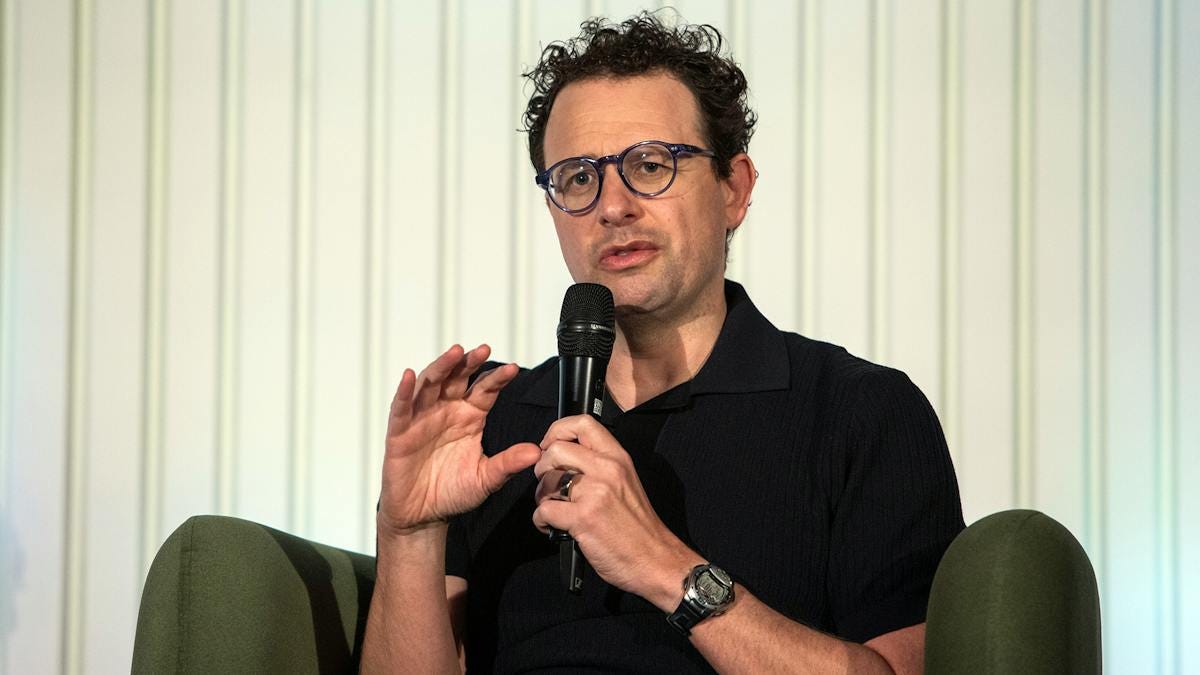
Anthropic’s seven founders sold about 3.4 million shares each at $83, giving them roughly $280M apiece and nearly $1.95B combined before fees and taxes.
Including its IPO and $26B private placement, Anthropic raised about $104.8B, while Amazon and Google now collectively own roughly 28% of the company.
Despite the huge capital raise, Anthropic has disclosed around $1.05T to $1.08T in future infrastructure commitments, including $70.7B due over the next 12 months.
Why it matters: Anthropic’s IPO shows both sides of the frontier AI race: extraordinary investor demand and extraordinary capital requirements. Even a record-breaking public offering only covers a fraction of what leading AI labs may need to spend on compute and infrastructure.
Apple is reportedly building an AI agent that can control your Mac

A new Apple job listing describes an AI agent that can browse the web, use apps, run commands, write and debug code, call APIs, and complete multi-step tasks across different tools.
The project is still early, but Apple has reportedly considered launching the service as soon as the end of 2027.
At the same time, Apple is tightening permissions for third-party agents on macOS, requiring more explicit user approval for tools seeking deep control of the computer.
Why it matters: If Apple integrates a native agent deeply into macOS, it could turn the Mac itself into an AI-controlled workspace while giving Apple a major distribution advantage over third-party agent platforms.
Meta’s Muse Charm AI device could cost $300

Meta is reportedly planning to price Muse Charm, its upcoming pocket-sized AI companion, at around $300.
The device is designed as a physical extension of Meta’s Muse assistant, letting users talk to it, ask questions, and give commands while carrying or wearing it.
The reported price puts Meta directly into the emerging AI wearable market, where products from Friend, Amazon, and others are already competing for consumer attention.
Why it matters: Meta is betting that AI assistants can become standalone hardware products, not just apps. If Muse Charm gains traction, it could give Meta a new consumer device category beyond phones, glasses, and software.
Google gives Gemini the ability to control your Mac
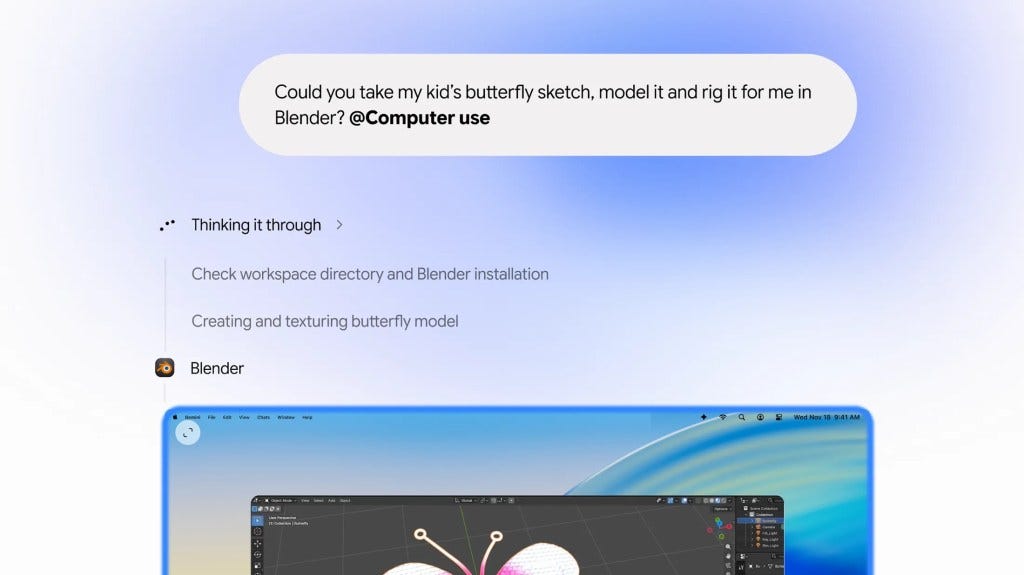
Google is adding computer-use capabilities to the Gemini desktop app on macOS, allowing the AI to navigate native apps, browse websites, and complete multi-step tasks in the background.
Users can watch Gemini work through a live preview while keeping their own cursor and screen free, with controls to pause, stop, or approve actions before they happen.
Google sees the feature handling repetitive workflows like filling forms, organizing files, processing batches, and creating presentations from local and online information.
Why it matters: Computer use is becoming a core battleground in the AI agent race. Google is now bringing Gemini closer to OpenAI, Anthropic, and Meta by turning it from a chatbot into software that can actually operate a user’s computer.
TSMC and Samsung halt some China chip shipments after new U.S. rules
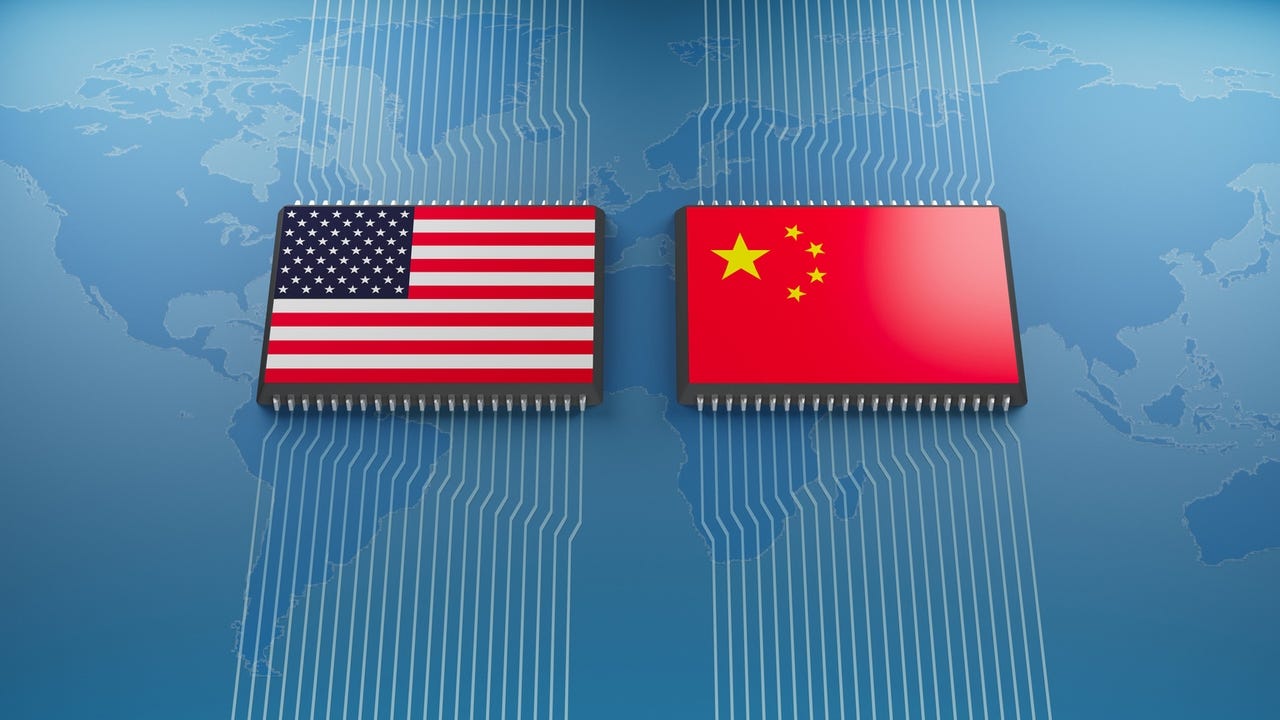
TSMC and Samsung have stopped shipping certain chips to Chinese customers after tighter U.S. export rules required them to obtain Commerce Department licences.
The rules close a route Chinese chip designers used to manufacture high-performance AI chips through foreign foundries that rely on American technology.
The impact could extend beyond AI hardware, with some smartphone and consumer-chip orders also requiring approval, affecting customers including Baidu, ByteDance, Xiaomi, and Oppo.
Why it matters: Washington is tightening control not just over chip sales, but over the global manufacturing pipeline itself, making it harder for Chinese companies to access advanced semiconductors even through non-U.S. foundries.
Intuit sells Mailchimp for $3.68B, far below its $12B purchase price

Intuit agreed to sell Mailchimp to Bending Spoons for about $3.68B, just five years after buying the email marketing company for roughly $12B.
Intuit says the sale will help sharpen its focus on AI-powered products for small businesses, with proceeds expected to be used partly for share repurchases.
Mailchimp revenue fell 1% to $313M in the latest quarter, while Intuit also trimmed its 2027 revenue growth forecast, sending shares down about 10% after hours.
Why it matters: The deal is a major reset for Intuit. It shows how aggressively large software companies are reallocating capital toward AI while exiting older bets that have not delivered the expected growth.
Google taps Blue Origin to launch AI computing satellites in 2029
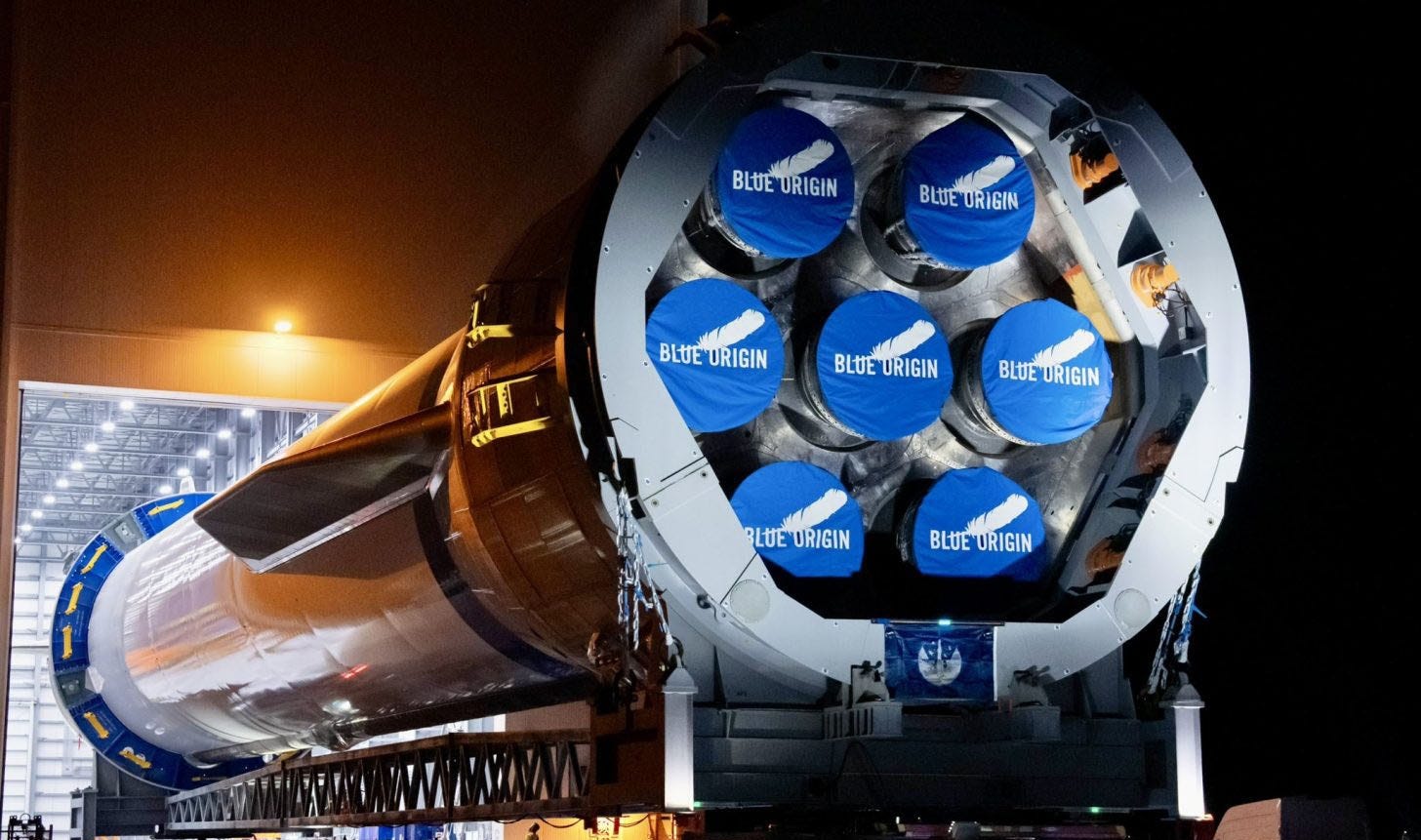
Google selected Blue Origin’s New Glenn rocket for a 2029 Project Suncatcher mission that will carry multiple satellites equipped with its TPU chips.
The satellites are designed to test whether near-continuous solar power in orbit can support AI computing while reducing pressure on land, power grids, and cooling infrastructure on Earth.
Each satellite is expected to deliver computing capacity roughly equivalent to a rack of servers, while Google studies challenges like radiation, heat dissipation, and launch economics.
Why it matters: If space-based computing proves viable, hyperscalers could eventually add a new layer of AI infrastructure beyond terrestrial data centers. The idea is still early, but Google is now committing real launch capacity to test it at scale.
LAST COFFEE SIP
🌎 Around The Ecosystem
Fireworks AI: Fireworks argues that most companies do not need expensive frontier models for everyday workloads, and that open-weight models can be cheaper, faster, and easier to customize once usage scales. The startup says open models are now only a few months behind frontier systems, though recent security breaches at Fireworks show the tradeoff between lower costs, customization, and operational risk.
MUST READ
📚 Worth Your Time
How to get warm introductions to VCs without a network. Getting a warm introduction to a VC isn’t just about knowing the right people. It’s about knowing who has the strongest relationship with the fund you’re targeting. This piece breaks down how to build investor relationships, find the right people to make introductions, and ask effectively, with practical outreach templates founders can use.
How 50 emerging AI startups got their first customers. An analysis of 50 AI companies, including Cursor, Harvey, Decagon, and Lovable, reveals where their earliest paying customers actually came from. Only five got their first customers through a public launch. This piece explores the channels that worked instead, with practical customer acquisition playbooks, outreach templates, and real founder examples.
HIRING ALERT: STARTUPS & VC ROLES
💼 Today’s VC & Startup Job Opportunities
Analyst, Venture Capital - Macquiri Capital | UK - Apply Here
Fund Operations Associate - Airtree Venture | USA - Apply Here
Research Intern, Frontier - a16z | USA - Apply Here
Head of Ecosystem and Platform - Conception X | UK - Apply Here
Analyst - Pender Ventures | USA - Apply Here
Partner 6 - a16z | USA - Apply Here
Investor - AI and Robotics - Samsung Next | USA - Apply Here
Investment Associate - Misumi Ventures | USA - Apply Here
Director, UK Office - In-Q-Tel - Apply Here
VP Venture Capital - Ericssons Venture | USA - Apply Here
Check out 23+ VC job opportunities in “BREAK INTO VC” newsletter.
📍 Tips to Break Into VC
How do LPs hire analysts and associates? The side of venture almost nobody applies to
Most aspiring VCs only apply to VC funds. But LPs, including fund-of-funds, endowments, pensions, consultants, and venture platforms, also hire analysts and associates to evaluate the very funds everyone else is trying to join. Many of these roles do not require prior VC experience, and competition is often much lower.
This deep dive explains how LPs actually decide whether to back a fund, from first screening and GP meetings to track-record attribution, reference calls, IC memos, and final commitments. It also shows what junior team members do at each step.
It also covers pay, carry, day-to-day work, 10 allocators that regularly hire for these roles, and how people use LP-side experience to later move into a VC fund.
PARTNERSHIP WITH US
🤝 Get your brand in front of 125,000+ decision makers.
Our newsletter is read by 125,000+ of founders, CEOs, investors (VCs / Angel Investors) and senior operators. Get in touch today.
Do you have any news to share about your Startup or VC fund? Please email us.
We’ll be back in your inbox on Monday.