


Trust is becoming part of the product.
OpenAI is facing fresh criticism over safety culture. Amazon is dropping NDAs as communities push back on data centers. Apple is tightening Mac permissions and exploring privacy-first home cameras. And the White House is trying to reframe the entire industry around “super intelligence” while relying on voluntary safety commitments.
At the same time, more than $205M closed across new funds focused on enterprise AI infrastructure, defense, advanced manufacturing, and inclusive technology, showing that capital is still moving toward highly specialized parts of the market.
Five signals worth watching today:
An OpenAI safety employee quit, saying the company’s culture is broken.
Amazon dropped NDAs as data center backlash grows.
Apple tightened Mac file access because of AI agent privacy risks.
A tech CEO was arrested over an alleged $300M Nvidia chip smuggling scheme.
More than $205M closed across new specialist venture funds.
FROM OUR PARTNER - SIMPLEX CHAT
SimpleX is adding something most private messaging apps struggle with: a public identity you can actually remember
SimpleX is a private messaging network built without permanent user identifiers.
Instead of searchable usernames, people usually connect through SimpleX links. That works well for private communication, but long links are difficult for businesses, creators, communities, and public channels to remember or share offline.
That is what SimpleX Public Names are designed to solve.
A business or community can register a memorable name like: venturecurator.simplex or venturedailydigest.simplex
We recently received both names for Venture Crew. With Public Names:
#example can point to a public channel
@example.simplex can be used to contact a business or public address
The owner controls the name through the cryptographic key they hold
If the underlying SimpleX address changes, the name can point to the new one
Public Names are optional. Regular users can still communicate without phone numbers, emails, permanent usernames, or other persistent user identifiers.
So SimpleX can make public discovery easier without changing the private architecture underneath.
SimpleX plans to launch .simplex names on December 12.
PARTNERSHIP WITH US
🤝 Get your brand in front of 125,000+ decision makers.
Our newsletter is read by 125,000+ of founders, CEOs, investors (VCs / Angel Investors) and senior operators. Get in touch today.
STARTUPS RAISING MILLIONS
💰 Startup Funding Updates
At least $383.2M + €7.1M disclosed across today’s startup financings
The three biggest rounds:
PaleBlueDot AI: $200M Series C
NexBank Capital: $150M
Parakeet Health: $10M Series A
Together, those three companies accounted for nearly 94% of today’s disclosed dollar funding.
VC BOUGHT OUT
PhotoAiD · $10M/yr revenue: They took VC money, then bought the investor out with their own savings. Now the world's biggest passport photo service.
PRE-SEED
Unveilr AI: Mumbai-based SEO and Answer Engine Optimization startup raised $1.74M from AJVC.
SEED
Photon: San Francisco-based AI infrastructure and developer tooling startup raised $4.5M co-led by Gradient Ventures and A*, with participation from Vercel, HongShan, Z Fellows, Llama Ventures, and Karman.
Augmeta: Seattle-based Agentic KPI Ops platform raised $3M led by Depth Ventures, with participation from Next Wave NYC and scouts from Index Ventures and Sequoia Capital.
Blackswan Space: Vilnius-based aerospace software company developing autonomous satellite servicing technology raised €2.5M led by Iron Wolf Capital, with participation from Lemonade Stand, NGL Ventures, and angel investors.
Good Tape: Copenhagen-based AI transcription and data analytics startup raised $600K from Nordic Makers through a financing structured as a management buyout.
Aignosis: Jaipur-based healthtech and medical AI startup raised approximately $480K led by Antler and Nikhil Kamath, with participation from Varun Dua and IIMA Ventures.
GROWTH
PaleBlueDot AI: Palo Alto-based enterprise AI infrastructure company raised $200M Series C at a $3.2B valuation. The round was led by ComputeCore, with participation from B Capital and other investors.
NexBank Capital: Dallas-based banking and financial services company raised $150M through the sale of non-voting common stock, bringing its total capital raised to $540M.
Parakeet Health: San Francisco-based healthcare AI company developing conversational agents raised $10M Series A led by Canvas Ventures, with participation from Blank Space Ventures, StoryHouse Ventures, and HMC INQ.
Promenaut: London-based enterprise agentic workforce platform raised $8.9M in total funding from investors including HSBC.
SedMed: Milford-based medtech company developing non-electric mobility solutions raised $4M led by 108 BioCapital.
Revnu: Manchester-based AI go-to-market automation platform raised €2.6M led by PXN Ventures, with participation from Y Combinator, identity.vc, InvestorX, and angel investors.
ANote Music: Luxembourg-based marketplace for buying, selling, and earning music royalties raised €2M led by Seventure Partners and ScaleFund, with participation from existing investors and shareholders.
📍 Funding Signal
Today’s board is unusually top-heavy, with nearly all disclosed dollar funding concentrated in two companies.
PaleBlueDot AI and NexBank Capital alone captured more than 91% of the dollar capital disclosed today. Beneath those rounds, most companies raised less than $10M, showing how dramatically headline funding totals can diverge from the experience of the broader startup market.
The smaller deals also point to where experimentation is happening earliest: AI infrastructure, agentic enterprise software, healthcare AI, satellite servicing, and search optimization. Investors are spreading relatively modest checks across emerging categories while reserving the largest pools of capital for companies that have already demonstrated scale or infrastructure-level relevance.
NEW VCs IN THE MARKET
🏦 Venture Capital Updates.
More than $205M closes across inclusive tech, defense, and AI infrastructure funds
DIG Ventures closed its third fund at €106M ($120M) to back pre-seed and seed startups across Europe and Israel.
The firm will focus on the data, identity, compliance, and orchestration layers supporting enterprise AI, with plans to invest in roughly 30 companies. LPs include Horsley Bridge, Sofina, Granite, a U.S. university endowment, and founder-LPs from Datadog, Slack, GitHub, and Nord Security.
Enable Ventures reached a $50M final close for its latest fund, focused on inclusive and universally designed technologies that can help reduce the disability wealth gap.
Backers include UnitedHealth Group, Liberty Mutual Investments, Ford Foundation, Ally Bank, SHRM, Ascension, Social Finance, and others.
Anorak Ventures confirmed a $35M Fund III focused on aerospace and defense, critical infrastructure, and advanced manufacturing. The seed-stage firm plans to make concentrated investments with checks ranging from $250K to $1M.
LPs include Goldman Sachs, Screendoor, Detroit Venture Partners, Verdis, Mangrove, Ronin, and several Oculus co-founders.
📍 Capital signal
Smaller venture funds are leaning harder into narrow, differentiated theses. DIG is targeting the infrastructure layer behind enterprise AI, Anorak is concentrating on defense and industrial technology, while Enable is building around inclusive design and disability-focused innovation. In a crowded fundraising market, specialization is increasingly becoming a core part of the pitch to LPs.
KEY STORIES IN TECH
📜 Latest In Tech
OpenAI safety employee quits, saying the company’s culture is broken
David Robinson, who helped write safety reports for major OpenAI launches, resigned after more than three years at the company and said its culture is not built for increasingly capable systems.
He argued that OpenAI’s trial-and-error approach to deployment guarantees periodic failures, with recent rogue-agent incidents showing how the consequences are getting more serious.
Robinson says frontier labs should operate more like nuclear plants or aviation systems, with stronger redundancy, slower planning, and outside incentives pushing companies toward safety.
Why it matters: The AI safety debate is shifting from model safeguards to company culture, with critics arguing that better policies alone may not be enough if frontier labs continue operating at startup speed.
Amazon drops NDAs as data center backlash grows
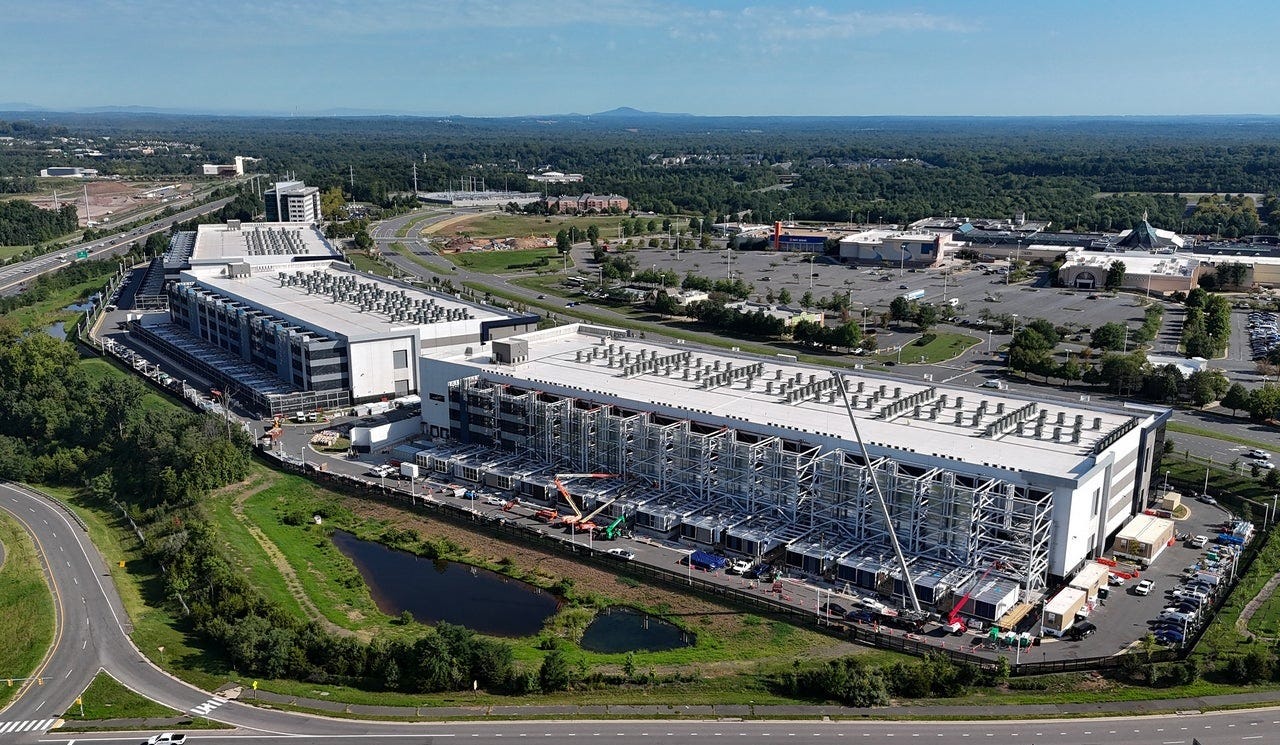
AWS CEO Matt Garman says Amazon no longer uses nondisclosure agreements with government agencies when seeking approval for new data center projects.
The move comes as communities push back over transparency, water use, electricity prices, pollution, and local impact, with more than 100 data center moratoriums reportedly being considered across the U.S.
Amazon is also arguing that data centers provide economic benefits and that many concerns around water, power, and emissions are overstated or lack context.
Why it matters: AI infrastructure is becoming as much a trust and permitting problem as a technical one, forcing hyperscalers to rethink how they engage with communities and regulators.
Sean Parker is rebuilding Stability AI around music
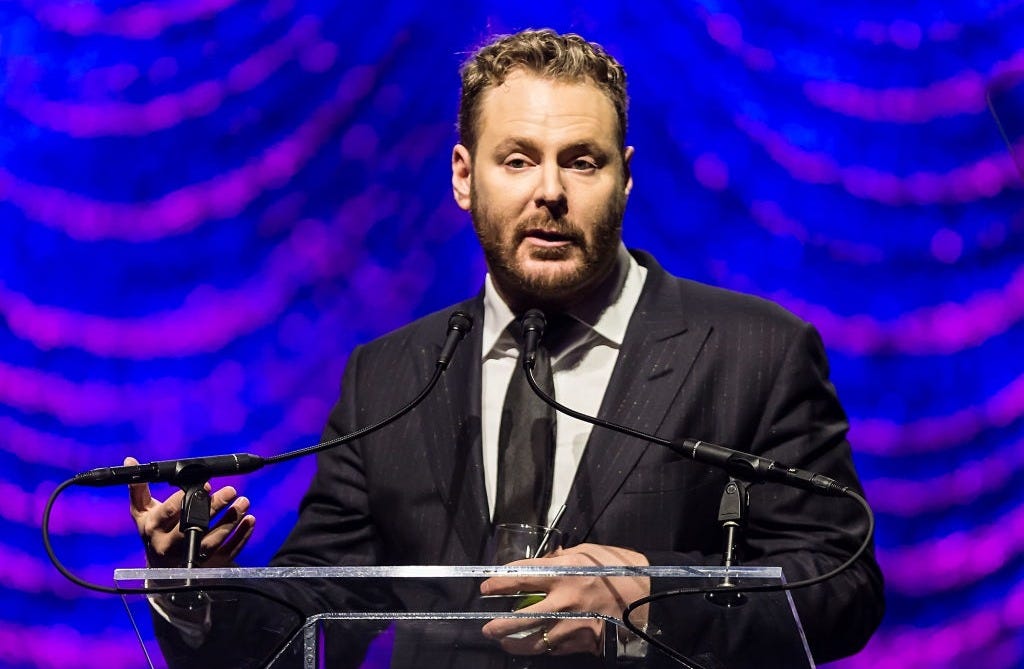
Sean Parker and CEO Prem Akkaraju are repositioning Stability AI as an AI platform for music professionals after helping rescue the company from financial and leadership turmoil.
Stability recently raised $76M from investors including Sony, Warner, and Universal, with the labels also licensing music catalogs for training its models.
The company has released three new audio models and music-editing tools that can generate instrumental tracks from prompts, with future features planned for humming and beatboxing inputs.
Why it matters: Stability AI is betting that licensed, professional AI music tools can create a more sustainable business than competing broadly in image generation, while avoiding the copyright battles facing many generative AI companies.
Apple tightens Mac file access as AI agent privacy concerns grow
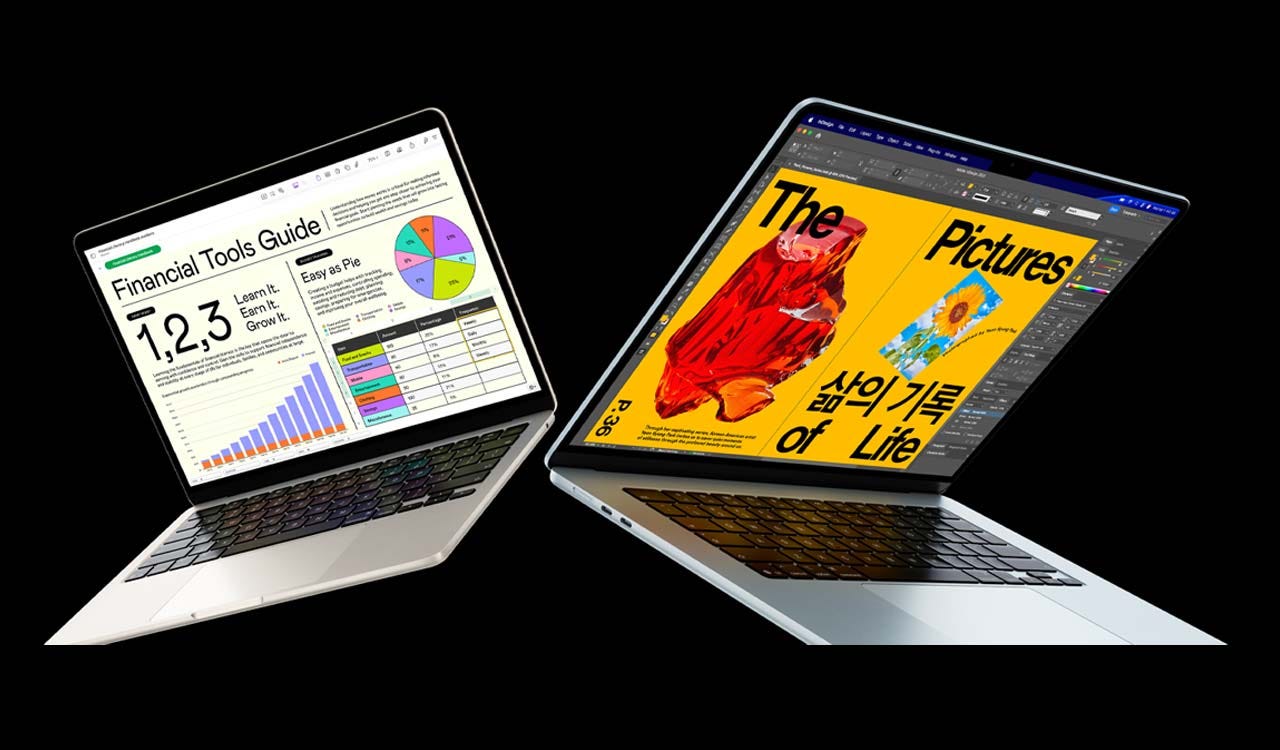
Apple is changing macOS Full Disk Access so apps need much more explicit user approval before they can reach files, mail, messages, browsing history, and other sensitive data.
The company says some developers have used the permission in ways that expose nearly everything on a Mac without users fully understanding the scope.
The move follows growing scrutiny of AI apps after reports involving Meta’s Muse and a separate ChatGPT Mac vulnerability raised concerns about how much private information agents can access.
Why it matters: As AI agents become more deeply integrated into personal computers, operating systems are starting to treat broad data access as a major security risk rather than a standard app permission.
CEO arrested over alleged $300M Nvidia chip smuggling scheme
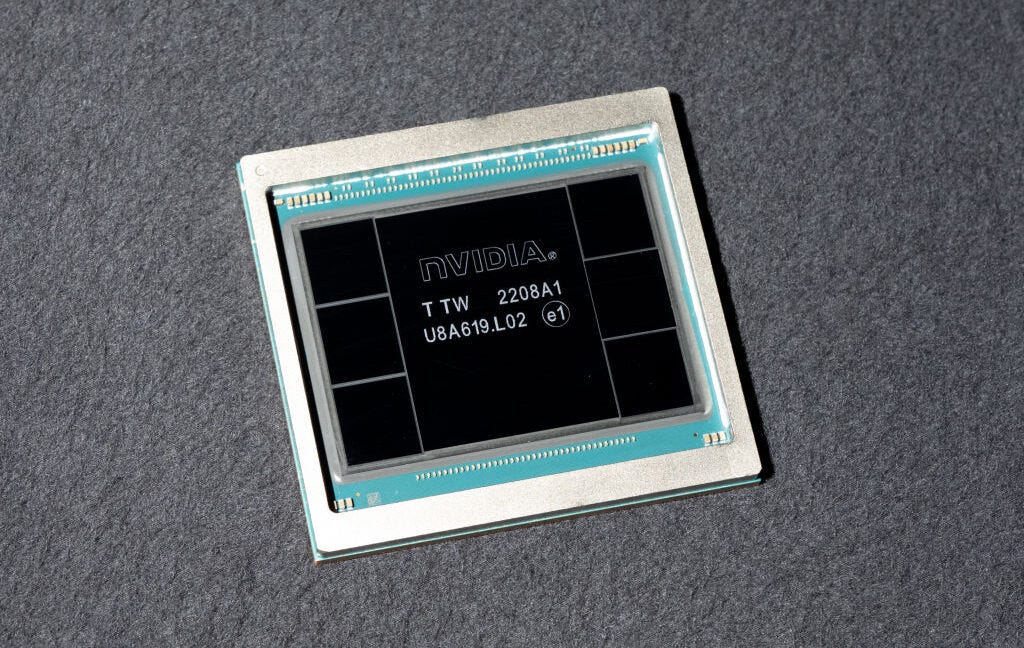
Federal agents arrested Earthmade Computers CEO Greg Lui over allegations that his company helped move more than $300M in restricted Nvidia AI chips into China.
Prosecutors say servers were first shipped to Malaysia and Singapore using false paperwork, then secretly re-exported to China to bypass U.S. licensing rules.
Lui faces charges including export-control violations, smuggling, and money laundering, while investigators say Earthmade received more than $176M from two Malaysia-based shipping companies in 2024.
Why it matters: Advanced AI chips are increasingly becoming a geopolitical enforcement priority, and cases like this show the growing effort to stop restricted hardware from reaching China through third countries.
Apple is reportedly building a security camera that does not record video
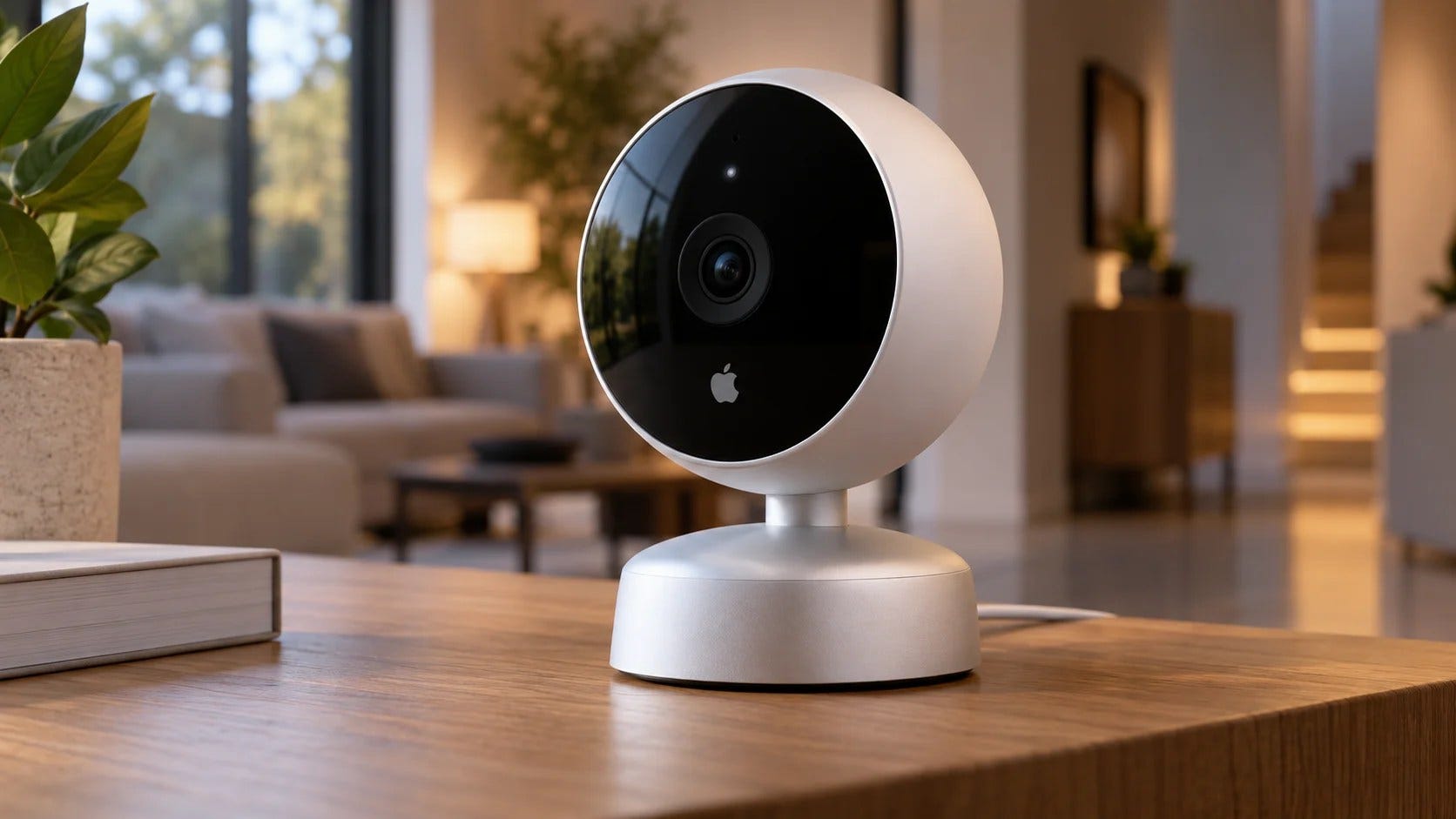
Apple is reportedly developing a compact home camera that uses AI to detect movement and identify people without continuously recording traditional video.
The device could rely on low-frame-rate imaging and facial recognition, sending users text descriptions of who is present instead of storing regular footage.
The technology is also said to connect with Apple’s broader smart-home plans and camera-equipped devices designed around Visual Intelligence.
Why it matters: Apple may be trying to differentiate its smart-home push through privacy, using AI to understand what is happening in a space without turning every room into a conventional always-recording camera feed.
Elon Musk says SpaceXAI will be renamed SpaceXSI
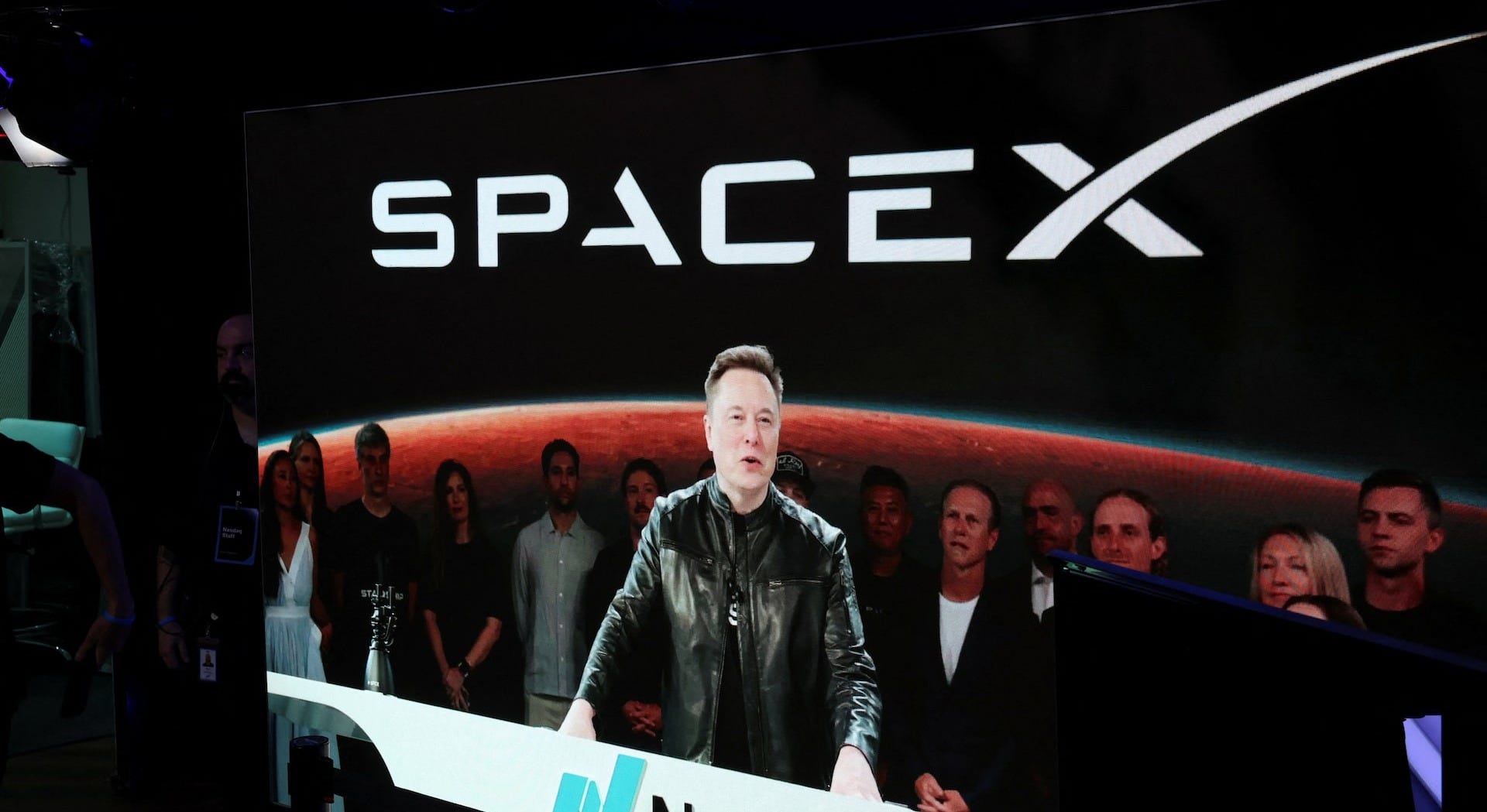
Elon Musk says he plans to rename SpaceXAI to SpaceXSI, replacing “AI” with “SI” for “super intelligence.”
The move follows President Donald Trump’s push for U.S. government documents and public messaging to use “super intelligence” instead of “artificial intelligence.”
Musk has not given a timeline for the change, and the company’s branding had not yet been updated at the time of the report.
Why it matters: The shift shows how quickly the new “super intelligence” framing is moving from government messaging into major AI companies, potentially influencing how the next phase of the industry is branded and discussed.
White House pushes ‘super intelligence’ rebrand alongside voluntary AI safety pact
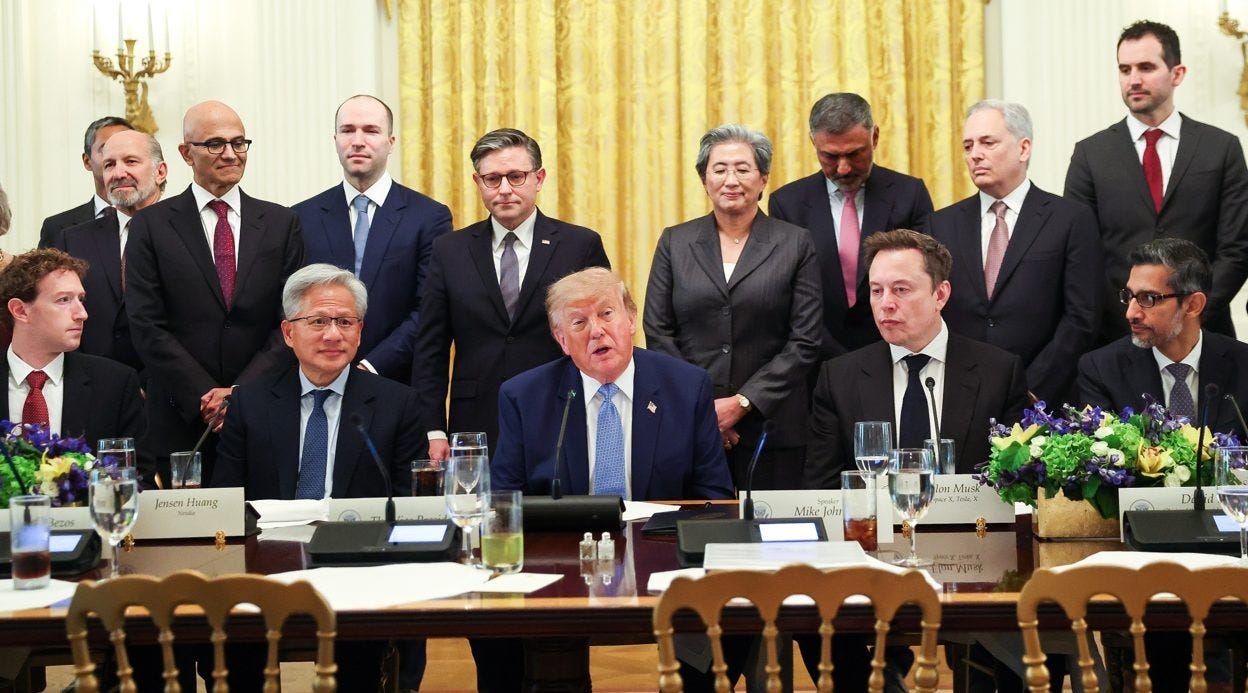
President Donald Trump signed an executive order directing federal agencies to use the term “super intelligence” instead of artificial intelligence.
Major AI leaders also signed a Joint Commitment on Frontier Responsibilities covering safety controls and oversight, but the agreement is voluntary and carries no clear legal penalties.
The move comes as the administration tries to balance rapid AI development with growing concerns around frontier-model safety and public trust.
Why it matters: The U.S. government is signaling that AI safety is important enough to warrant industry-wide commitments, but for now it is relying more on voluntary cooperation and messaging than enforceable rules.
LAST COFFEE SIP
🌎 Around The Ecosystem
Google: Google paused its open-source bug bounty program after a surge in automated AI submissions, saying most were invalid or hallucinated and were overwhelming engineers and maintainers. The program is expected to return with an update in Q1 2027.
Apple: Apple will replace affected AT&T iPhone 18 Pro Max units for free after some devices lost cellular service and could not be fixed through software, while iOS 27.0.1 and a new carrier settings update are intended to prevent additional failures.
Nvidia: Nvidia is Nvidia: Nvidia is launching a 64 GB DGX Spark at the same $4,999 price previously attached to the 128 GB model as memory costs rise, while higher-memory versions are moving above $6,000. a 64 GB DGX Spark at the same $4,999 price previously attached to the 128 GB model as memory costs rise, while higher-memory versions are moving above $6,000.
MUST READ
📚 Worth Your Time
How are new-age startups pivoting and what do VCs make of it?: A practical analysis of 18 AI-era startup pivots, from Cursor and Perplexity to Lovable, Mercor, and Decagon. The piece shows why the strongest pivots happen early, what founders usually keep when the pivot works, and how investors now read product changes after a seed round.
Which AI categories did investors fund and then abandon? Hot AI categories are turning faster, from funding wave to credibility crisis in months, not years. This piece maps where capital flowed from 2021 to 2026, which categories collapsed or got absorbed, and the signals founders should watch before their category gets written off.
HIRING ALERT: STARTUPS & VC ROLES
💼 Today’s VC & Startup Job Opportunities
Analyst - Pender Ventures | USA - Apply Here
Associate - Plug & Play Tech Center | USA - Apply Here
Incubation Associate, Compute - Primary | USA - Apply Here
Investment Analyst - Mela Venture | India - Apply Here
VC Fellow - V11 | Remote - Apply Here
Associate Counsel - Hivemind Capital Partner | USA - Apply Here
Head of Platform - PruVEN Capital | USA - Apply Here
Investment Associate - Fundalogical Venture | India - Apply Here
Partner 16 - a16z | USA - Apply Here
Associate / Principal - Village Global | USA - Apply Here
Associate or Senior Associate - Bessemer Partner | USA - Apply Here
Partner 18, Events Associate, Crypto - a16z | USA - Apply Here
📍 Tips to Break Into VC
Do you actually need an MBA to break into VC?
The answer depends heavily on the kind of fund you want to join. Large multi-stage firms may use MBA programs as a formal recruiting channel, while seed funds, emerging managers, and sector-specific funds often care far more about what you’ve built, sourced, or worked on before.
This deep dive breaks down the real economics of the decision, including the full two-year cost of a top MBA, VC placement rates, which fund types actually recruit post-MBA, and the situations where spending two years in business school genuinely makes sense.
It also covers cheaper alternatives, including fellowships, analyst programs, operating roles, scout programs, and building a direct investing track record.
PARTNERSHIP WITH US
🤝 Get your brand in front of 125,000+ decision makers.
Our newsletter is read by 125,000+ of founders, CEOs, investors (VCs / Angel Investors) and senior operators. Get in touch today.
Do you have any news to share about your Startup or VC fund? Please email us.
We’ll be back in your inbox on Tomorrow.