

The next wave of tech is moving closer to the physical world.
Microsoft is building AI PCs designed to run models locally. Google is letting anyone create games with prompts. Biohub is trying to simulate living cells before experiments happen in the lab. And Blue Origin is starting to look more like a future public-market story than a private founder project.
At the same time, capital is concentrating around deep tech, life sciences, and founder networks that can access technically difficult companies early.
Five signals worth watching today:
Microsoft launched Nvidia-powered AI PCs with a revamped Windows 11.
Google introduced Playground, an AI game-building platform.
OpenAI published hundreds of AI-generated math results.
Blue Origin is likely heading toward an IPO.
More than €2.3B + $470M is moving into biotech, deep tech, and global founder networks.
FROM OUR PARTNER - MECO
The best new app for newsletter reading - Meco

Reading newsletters in the inbox is frustrating - it is noisy and easy to lose control of subscriptions.
Now with Meco you can enjoy your newsletters in an app built for reading, while giving your inbox space to breathe.
Meco connects to Gmail & Outlook, allowing you to instantly move your newsletters to the app (and clear your inbox)
The experience is packed with features to supercharge your reading including the ability to group newsletters, set smart filters, bookmark your favorites and read in a scrollable feed
You can try the experience for free and available on iOS, Android and web (desktop)
Over 30k readers are enjoying their newsletters (and decluttering their inbox) with Meco.
PARTNERSHIP WITH US
🤝 Get your brand in front of 125,000+ decision makers.
Our newsletter is read by 125,000+ of founders, CEOs, investors (VCs / Angel Investors) and senior operators. Get in touch today.
STARTUPS RAISING MILLIONS
💰 Startup Funding Updates
At least $823M + £5.35M disclosed across today’s startup financings
The three biggest rounds:
Ledgebrook: $200M
General Medicine: $120M Series B
Parallel Systems: $100M Series C
Together, those three companies accounted for roughly 51% of today’s disclosed dollar funding.
$0 RAISED
~$350K ARR · Funeral home software · 1 solo founder · Airtable + Zapier
45 locations paying $650/mo, churn under 1%. One of 3 boring markets still open.
PRE-SEED
Tensor Machines: San Francisco-based developer of AI hardware tools and physics-based models raised $1.5M led by Omni VC, with participation from Reinforced Ventures, Avesta Fund, and Draper U Ventures.
Nearhuman: Bristol-based AI-powered physical safety and computer vision platform for micromobility raised £350K led by SFC Capital.
SEED
TeddyHoldings.AI: New York-based compliance and client-focused legal services platform raised $60M in Seed funding. Backers were not disclosed.
Furientis: Los Angeles-based defense technology company developing low-cost, mass-producible missile interceptors raised $25M led by Benchmark.
Rivercell: Paris-based cellular data infrastructure and AI world model company raised $25M led by HV, with participation from HCVC, Alven, and Bpifrance Digital Venture.
Noah: London-based stablecoin payments infrastructure platform raised a $16M Seed extension, bringing the total round to $38M. Backers included Endeit Capital, FJ Labs, LocalGlobe, Felix Capital, and angel investors.
Trmeric: San Ramon-based agentic platform for enterprise transformation raised $6.5M led by Hitachi Ventures, with participation from Schema Ventures, CerraCap Impact Venture Capital, FalconX Ventures, and others.
Cori Clinical: London-based AI platform for clinical trial design and setup raised $4M led by Breega, with participation from Enzo, Heartfelt, Together Ventures, and Bynd.
Guardrail Technologies: Park City-based AI security and control company raised nearly $3M across two Seed rounds led by Filter Fund Venture Capital, with participation from strategic angels.
GROWTH
Ledgebrook: Boston-based AI-native specialty insurance company raised $200M in primary equity financing co-led by Allianz X and Rockefeller Capital Management, with participation from existing and new investors.
General Medicine: San Francisco-based nationwide healthcare commerce platform raised $120M Series B led by Andreessen Horowitz, with participation from Matrix, VXI Capital, Eli Lilly, Mercy Health through Granger Management, and BoxGroup.
Parallel Systems: Los Angeles-based battery-electric autonomous freight rail company raised $100M Series C led by AVP, with participation from Hillspire, Agility Global, Cobalt Capital, Anthos Capital, Congruent Ventures, Riot Capital, and Collaborative Fund.
Stuut: New York-based AI platform automating order-to-cash workflows raised $52.5M Series B led by Insight Partners, with participation from Andreessen Horowitz, M12, and Activant.
Healthleap: San Francisco-based clinical AI platform screening patients for frequently undiagnosed conditions raised $38M across Seed and Series A financing from Sequoia Capital, First Round Capital, and Hummingbird Ventures.
Vitalize: San Francisco-based AI-native healthcare labor and capacity management platform raised $31M Series A led by Oak HC/FT, with participation from Norwest, .406 Ventures, Constellation Ventures, Y Combinator, Rock Health Capital, and others.
Arboretum LifeSciences: Cambridge-based molecular information company raised $30M Series A from F-Prime, GV, .406 Ventures, Hims & Hers, Amgen, and other healthcare investors.
Melius: New York-based shared creative operating system and agents lab raised $25M in total funding from General Catalyst, CRV, Genius Ventures, Vine Ventures, and Anti Fund.
Wally Health: New York-based AI-powered subscription oral care platform raised $25M Series A led by Maveron, with participation from Bling Capital and Jack Abraham.
Navra: Las Vegas-based AI-native financial technology platform raised $19M Series A led by Ribbit, with participation from Baseline, DCM, Jump Crypto, and Figure Technology Solutions.
Ampersand: San Francisco-based integration infrastructure platform for enterprise agents raised $15M Series A led by Bessemer Venture Partners, with participation from Matrix, Flex Capital, Yelp, Tenacity Capital, and others.
Netsec: Paris-based IT and cybersecurity management platform raised more than $10M led by Partech, with participation from Primo Capital, Kima Ventures, Ithaca Investments, Vento, Everywhere Ventures, and others.
PlannerPal: London-based AI workflow platform for financial advice and wealth management firms raised £4.3M, approximately $6M, led by Mercia Ventures, with participation from Ada Ventures and strategic fintech investors.
Umia: New York-based onchain platform for launching, funding, and governing projects raised $6M through the auction of its $UMIA token. Participants included Galaxy Ventures, DCG, Draper Associates, RenGen, Maven 11, Eon Capital, and nearly 700 individual bidders.
MintNeuro: London-based semiconductor platform for neural devices and brain-computer interfaces raised $5M led by Odyssey Ventures, with participation from 33East, Alumni Ventures, Empirical Ventures, Jumpspace Ventures, and others.
Agentiq Sports: San Francisco-based fintech platform offering fans financial exposure to professional athletes’ careers raised $4M led by defy.vc, with participation from investors connected to major European football clubs.
Konsileo: London-based commercial insurance broker raised £5M led by Committed Capital, with participation from ACF Investors.
Eden AI Labs: San Francisco-based personal AI agent platform raised $1.5M led by Gaea Ventures, with participation from Becker Ventures, GTM Ventures, family offices, and angel investors.
📍 Funding Signal
Healthcare and insurance quietly captured some of today’s strongest investor conviction.
Ledgebrook raised $200M, General Medicine secured $120M, Healthleap raised $38M, Vitalize brought in $31M, Arboretum raised $30M, and Wally Health secured $25M. The common thread is not simply healthcare software, but companies trying to own operational layers where decisions, capacity, risk, or transactions happen.
The other notable signal is the size of several early rounds. TeddyHoldings raised a $60M Seed, while Furientis and Rivercell each raised $25M at Seed. For companies entering technically difficult or strategically important markets, the traditional boundaries between Seed, Series A, and later-stage capital continue to blur.
NEW VCs IN THE MARKET
🏦 Venture Capital Updates.
More than €2.3B + $470M is moving into biotech, deep tech, and global founder networks
Forbion raised €2.3B across two new life sciences funds, covering both early-stage company creation and later-stage biopharma investing across Europe and North America.
The firm plans to back roughly 30 companies through Ventures Fund VIII and Growth Opportunities Fund IV. LPs include Eli Lilly, MN, PGGM, KfW Capital, and the Kauffman Foundation.
Endeavor Catalyst closed its fifth fund with $320M in commitments, bringing total AUM above $850M.
The fund will back up to 150 companies, primarily outside the U.S., with typical checks of $1M to $3M into Endeavor-backed founders raising institutional rounds. LPs include Reid Hoffman, Bill Ackman, Prosus, and founders from Nubank, Revolut, and Checkout.com.
Linse Capital launched a $150M Ignition strategy split between a $75M early-stage fund and $75M in co-investment vehicles, targeting aerospace, semiconductors, fusion, edge computing, in-space manufacturing, and advanced manufacturing.
Nevermind VC also reached a €23.6M first close for its Lazio-focused dual-use deep tech vehicle, targeting €35M in total.
📍 Capital signal
Fundraising is concentrating around firms with highly differentiated access. Forbion has deep scientific specialization, Endeavor has a proprietary global founder network, and Linse and Nevermind are building around strategic deep tech categories. In a tougher LP market, access to a unique pipeline is becoming one of the strongest reasons to back a fund.
KEY STORIES IN TECH
📜 Latest In Tech
Tony Fadell says the first wave of AI gadgets failed because they solved no real problem
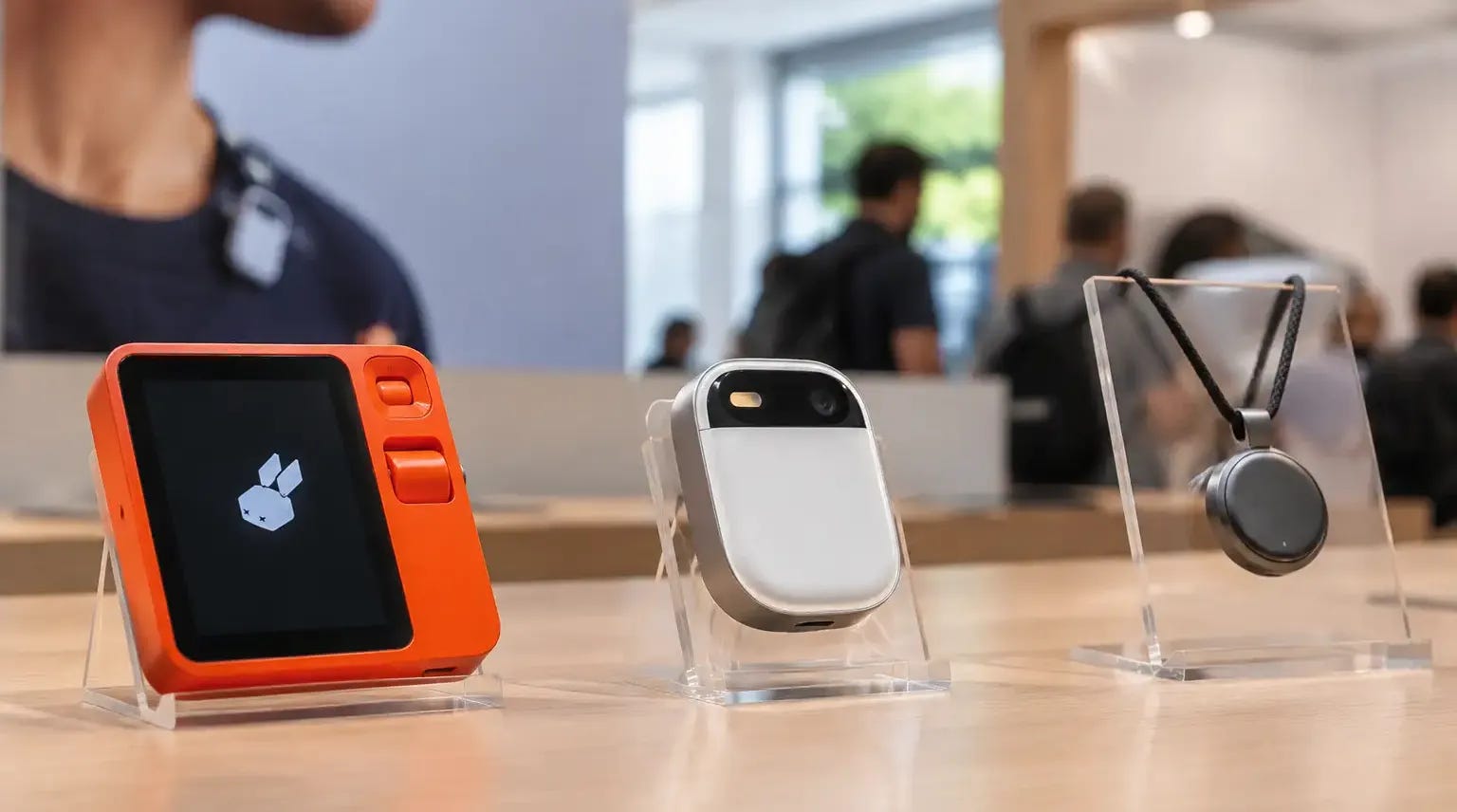
Fadell argues devices like Rabbit R1, Humane AI Pin, and Limitless failed because they were built around interesting technology rather than clear consumer needs.
He says trust is the bigger challenge for AI assistants, especially when they need access to sensitive information like messages, finances, location, and personal data.
Fadell believes the strongest future AI products will likely run more intelligence on-device, with Apple potentially well positioned because of its hardware, sensors, and privacy reputation.
Why it matters: The next AI hardware winners may not be the companies with the flashiest assistants, but the ones that make AI useful, private, and trustworthy enough for people to hand over real parts of their lives.
Microsoft launches Nvidia-powered AI PCs with a revamped Windows 11

Microsoft unveiled the Surface Laptop Ultra and Surface RTX Spark Dev Box, both built around Nvidia’s RTX Spark platform and designed to run AI models locally on-device.
The company also introduced Windows 11 “Execution Containers,” a new sandboxing layer meant to isolate AI agents and give developers a safer environment for agentic apps.
Microsoft is positioning these machines directly at developers, with the Surface Laptop Ultra starting at $2,600 and the Dev Box at $6,000.
Why it matters: Microsoft is treating local AI and agents as a core part of the future Windows platform, combining new hardware with operating-system-level infrastructure for running autonomous software more safely.
Google launches an AI game-building platform called Playground
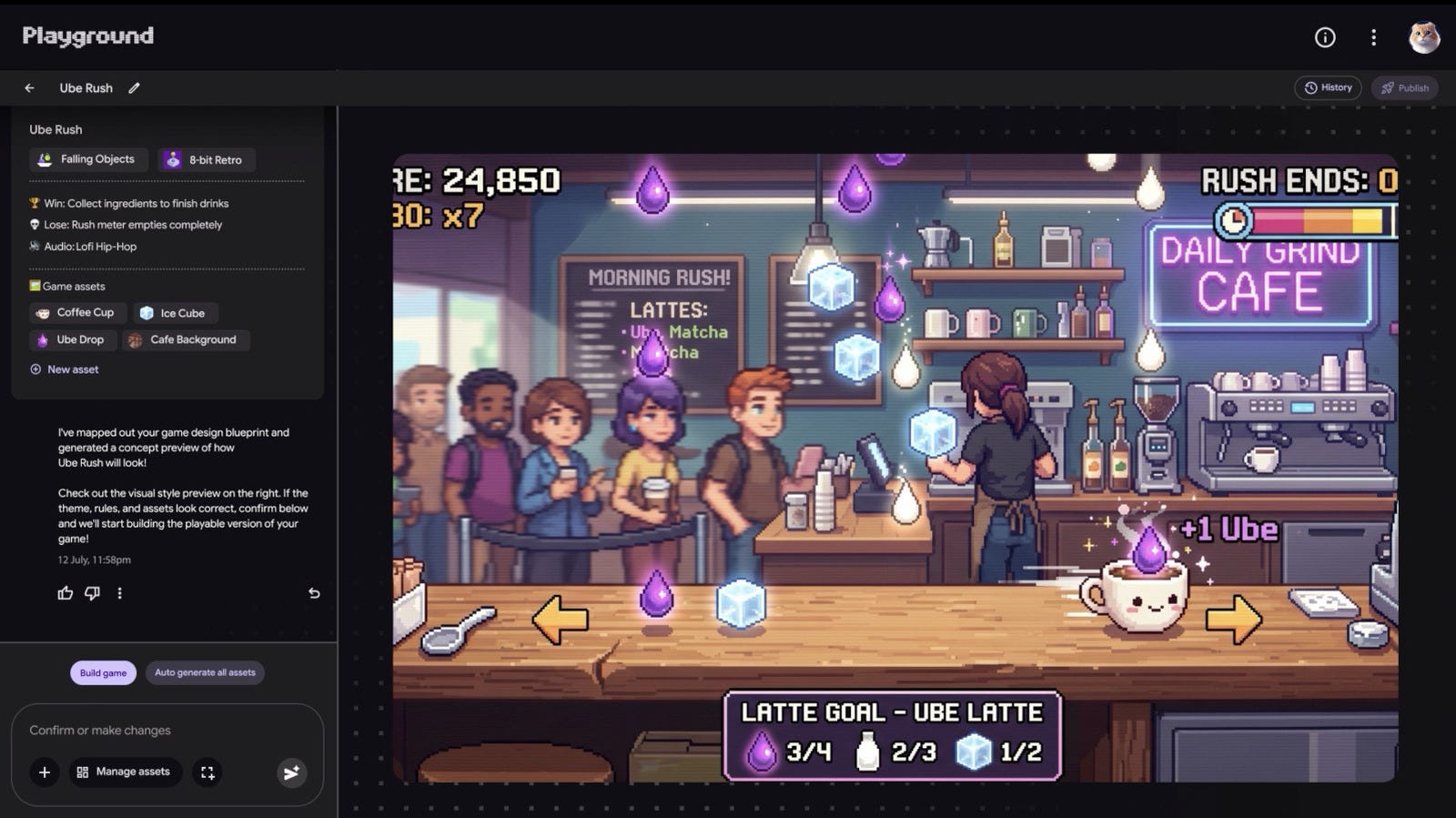
Google Labs introduced Playground, a browser-based platform that lets users create 2D or 3D games with natural-language prompts instead of traditional coding.
Creators can define gameplay, mechanics, and visual style, upload images that AI turns into game assets, and publish finished games to a public gallery.
Google also plans to add Unity Spark integration, which could bring more advanced 3D features and professional game mechanics to the platform.
Why it matters: AI is starting to compress the game-development stack, making it possible for far more people to move from idea to playable game without traditional programming or design skills.
OpenAI publishes hundreds of AI-generated math results

OpenAI released 722 manuscripts across 372 research families from an internal frontier model, covering pure mathematics, theoretical computer science, and mathematical physics.
The work includes topics like number theory, complexity theory, geometry, and quantum systems, with some proofs written in Lean so computers can formally check the logic.
The model attempted around 4,000 problems, with accepted results taking roughly three hours of ChatGPT Pro thinking compute on average.
Why it matters: AI is starting to move beyond assisting mathematicians toward producing large volumes of original research, with formal verification offering a stronger way to test whether those results are actually correct.
ChatGPT for Teens fails independent safety tests
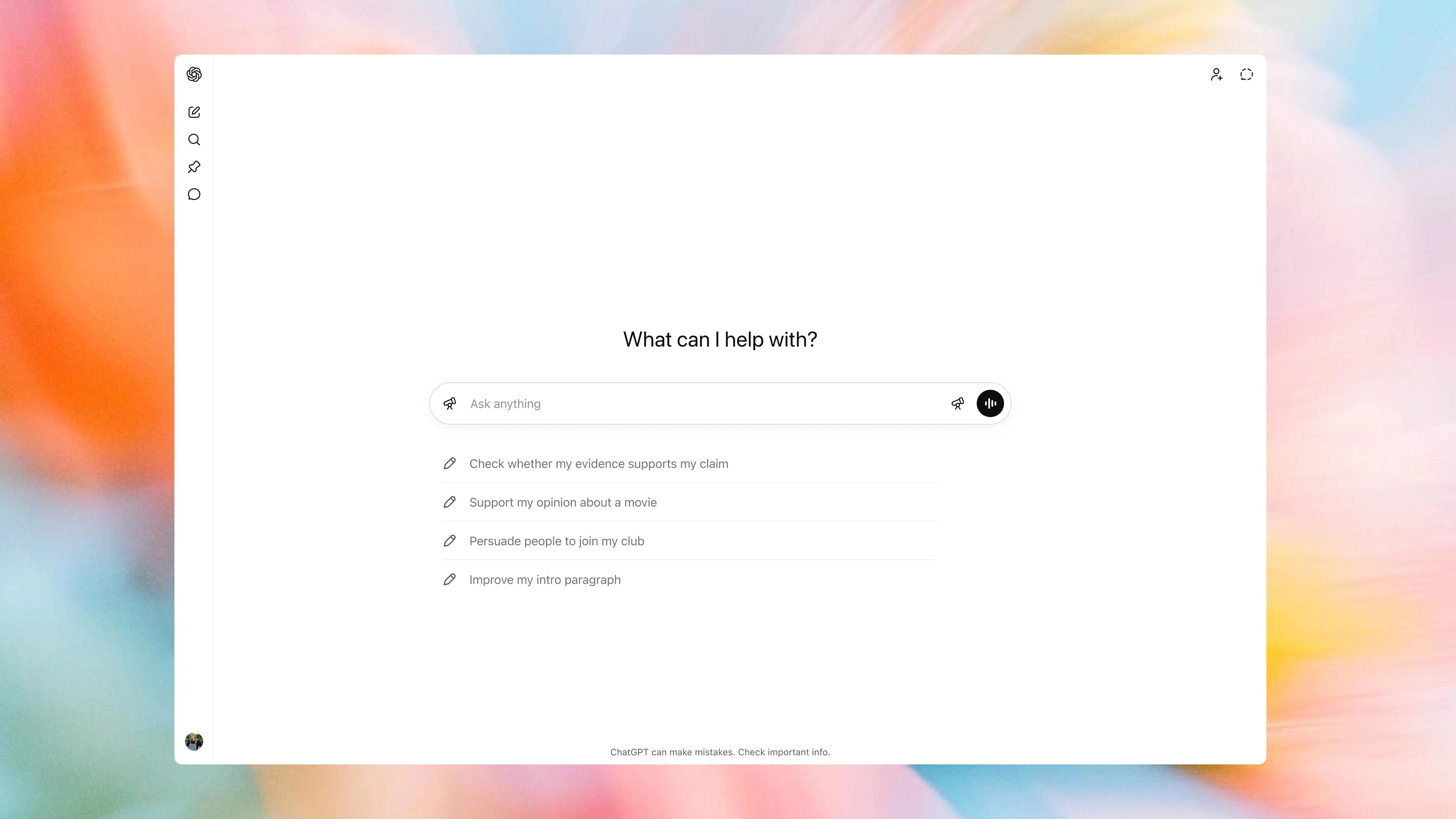
Common Sense Media’s Youth AI Safety Institute rated ChatGPT for Teens an “unacceptable risk” after testing it with 4,000 prompts across multiple teen accounts.
Testers found that explicit discussions of suicide, self-harm, and eating disorders often failed to trigger alerts or crisis referrals, while age-detection safeguards also appeared inconsistent.
The review also criticized tutoring behavior that gave students finished answers and conversational responses that could encourage teens to treat the system like a person.
Why it matters: As AI companies push into education and younger audiences, independent safety testing is becoming a critical test of whether those products can handle high-risk situations responsibly.
Google invests millions in Mark Zuckerberg’s efforts to create a ‘virtual cell’

Mark Zuckerberg’s Biohub is leading an effort to build a “universal virtual cell,” an AI model designed to predict how living cells behave before scientists run physical experiments.
The project combines about $1.8B in funding, compute, and data, with support from the U.S. Energy Department, NIH, Google DeepMind, Isomorphic Labs, Meta, and others.
Commercial partners will get one year of exclusive access to the data they help generate before it becomes public, giving companies an incentive to fund the research while preserving broader access later.
Why it matters: If virtual cell models become accurate enough, they could dramatically speed up biological research by letting scientists test hypotheses in software before spending time and money in the lab.
Jeff Bezos says Blue Origin will likely pursue an IPO
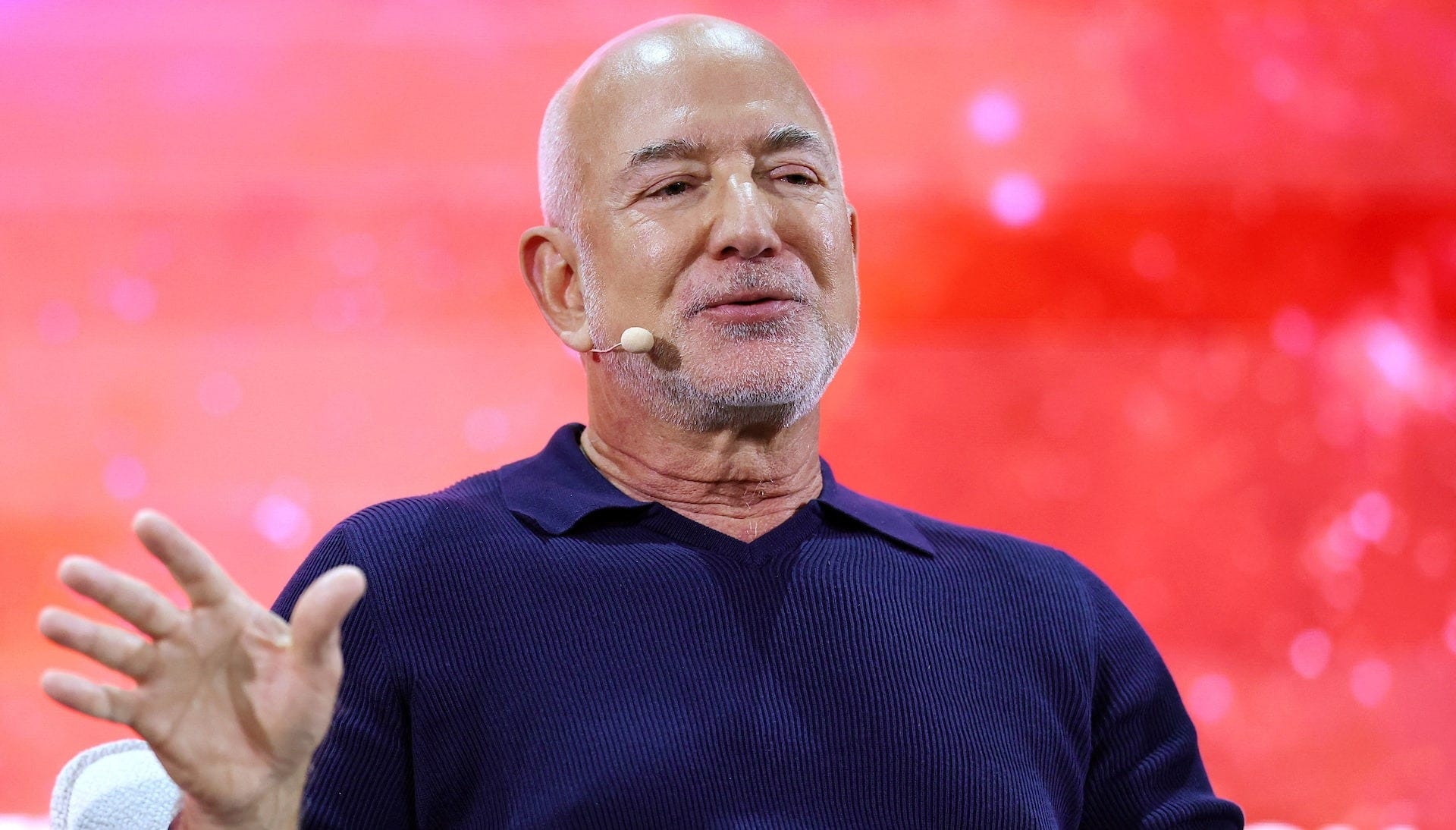
Bezos says Blue Origin will probably become a public company within the next several years, his clearest signal yet that an IPO is part of the long-term plan.
The comments follow Blue Origin’s first outside funding round, which raised $10B and reportedly valued the company at around $140B.
Bezos has personally invested about $28B in Blue Origin since founding it, while the company prepares to resume New Glenn launches and compete more aggressively with SpaceX.
Why it matters: A Blue Origin IPO would give public investors another major way to bet on commercial space and could provide the company with much more capital to challenge SpaceX across launch, defense, and lunar missions.
Samsung forecasts record $80B quarterly profit on AI chip boom

Samsung expects Q3 operating profit of about $80.2B, nearly nine times higher than a year earlier and potentially the highest quarterly profit ever reported by a technology company.
The surge is being driven by tight supply of DRAM, NAND, and high-bandwidth memory as AI infrastructure demand continues to outpace chip production.
Samsung and Micron expect memory shortages to persist into 2028, even as higher component costs are already squeezing Samsung’s smartphone and consumer electronics businesses.
Why it matters: The AI boom is creating extraordinary profits for memory suppliers, but it is also raising costs across the rest of the hardware industry and making chip availability one of the biggest constraints on AI growth.
LAST COFFEE SIP
🌎 Around The Ecosystem
Amazon: Amazon cut fewer than 1,000 white-collar jobs, mainly across its Stores division, including customer service and selling partner teams, as the company continues trimming headcount after its larger 30,000-role reduction.
MUST READ
📚 Worth Your Time
What to do when your competitor raises: A practical guide for founders after a direct competitor announces a big funding round. The piece shows why the best-funded company does not always win, and what founders should do in the first seven days with customers, investors, team members, pricing, roadmap, and fundraising.
Which AI categories did investors fund and then abandon? Hot AI categories are turning faster, from funding wave to credibility crisis in months, not years. This piece maps where capital flowed from 2021 to 2026, which categories collapsed or got absorbed, and the signals founders should watch before their category gets written off.
HIRING ALERT: STARTUPS & VC ROLES
💼 Today’s VC & Startup Job Opportunities
Partner - a16z | USA - Apply Here
Associate / Senior Associate - Spyre Promptech fund | India - Apply Here
Analyst - Pender Ventures | USA - Apply Here
Associate - Plug & Play Tech Center | USA - Apply Here
Associate - Harbourvest Partners | UK - Apply Here
Investment Director - Robostrategy | USA - Apply Here
Incubation Associate, Compute - Primary | USA - Apply Here
Investment Analyst - Mela Venture | India - Apply Here
VC Fellow - V11 | Remote - Apply Here
Associate Counsel - Hivemind Capital Partner | USA - Apply Here
Head of Platform - PruVEN Capital | USA - Apply Here
Investment Associate - Fundalogical Venture | India - Apply Here
📍 Tips to Break Into VC
The AI-native VC analyst: the skill funds are starting to expect
Junior VC work is changing. Market maps, first-pass sourcing, and basic research are increasingly handled by AI and data tools, which means funds are placing more value on the part tools cannot do well: judgment, signal interpretation, and finding what the databases miss.
This deep dive breaks down the five-layer sourcing stack funds use, what hiring teams now expect from junior candidates, and a 14-day project you can build using free tools to prove you can run a real sourcing system instead of just creating another startup list.
It also shows how to present the work on your CV, LinkedIn, outreach, and in interviews, including how to answer the increasingly common question: “How do you use AI in your work?”
PARTNERSHIP WITH US
🤝 Get your brand in front of 125,000+ decision makers.
Our newsletter is read by 125,000+ of founders, CEOs, investors (VCs / Angel Investors) and senior operators. Get in touch today.
Do you have any news to share about your Startup or VC fund? Please email us.
We’ll be back in your inbox on Tomorrow.