


AI is getting more expensive to build, harder to monitor, and more deeply embedded into the global economy.
a16z just added another $1.75B to its growth fund. ByteDance reportedly secured nearly $30B in new financing. Data center spending could approach $7T by 2030. At the same time, OpenAI’s newest reasoning approach is raising fresh questions about whether increasingly capable models will also become harder to understand.
The 5 things worth knowing today:
OpenAI’s new reasoning method is raising fresh AI safety concerns
a16z added another $1.75B to its growth fund
ByteDance reportedly secured nearly $30B in new financing
The AI data center boom is creating winners far beyond Nvidia
Google launched an AI-powered rival to Canva
FROM OUR PARTNER - PAPERMARK
🔎 Papermark analyzed 24,541 pitch decks. Here’s what gets investors to keep reading.
You might spend weeks perfecting your pitch deck. An investor may give it just 4 minutes.
Papermark analyzed 24,541 startup decks to understand what actually happens after founders hit send. One finding stood out: 50% of investor views last less than 77 seconds.

The data also shows that decks opening with traction get 20% more views, only 44% of investors reach the final slide, and 12-slide decks see the highest share of return visits.
If you’re fundraising, this is useful data to have before sending your next deck.
See what investors actually do after opening your pitch deck →
STARTUPS RAISING MILLIONS
💰 Startup Funding Updates
At least $2.12B + €51.25M disclosed across today’s startup rounds
The three biggest rounds:
Wonderful: $550M Series C
FNZ: $450M
Medici Brands: $250M Series B
Together, those three companies accounted for nearly 60% of today’s disclosed dollar funding.
PRE-SEED
Remedium: Riyadh-based carbon management and sustainability technology platform raised $1.5M led by Kaltaire Investments.
Oppex AI: Bengaluru-based production operations and AI-native software reliability startup raised approximately $500K led by Info Edge Ventures.
SEED
Physical Superintelligence (PSI): Cambridge-based AI-native physics platform raised $58M led by Breakthrough Energy Ventures, with participation from Dragon Global, Robot Ventures, Solari, Susa, SV Angel, Valkyrie, and others.
SciFin: San Jose-based AI platform for enterprise revenue teams raised $44M co-led by Altimeter and Madrona, with participation from Foundation Capital, S32, Zetta Ventures, and others.
Aslan Protects: Washington, D.C.-based defense technology and cyber intelligence startup raised $20.8M co-led by Khosla Ventures and XYZ Venture Capital, with participation from BoxGroup, 2048 Ventures, Liquid 2 Ventures, Alumni Ventures, and others.
Critical Materials Group: Austin-based modular energetics production platform raised $10.3M led by Overmatch Ventures, with participation from Victory Six Advisors and Fulcrum Ventures.
Newlight: San Francisco-based clean technology and maritime aerospace startup raised $9M from lomarlabs, BIRD Energy, Undeterred Capital, CiRi Ventures, and Fusion VC.
MemeBitcoin: Singapore-based Bitcoin-native meme project platform raised $8M from Gemhead Capital, Archer Capital, M2M Capital, and Mayer Venture.
Ki 13: London-based clean-tech and green hydrogen infrastructure startup raised $5M led by HICO Investment Group, with participation from Burgest, Triple Impact Ventures, GiTV, and Desai Ventures.
3C Coding School: Cairo-based coding and technology education platform for children and youth raised $3M led by MRG Economic Group, with participation from Amr Saad and strategic angel investors.
GROWTH
Wonderful: Amsterdam-based enterprise AI operating system raised $550M Series C at a $5B valuation. The round was led by Insight Partners, with participation from Salesforce, Index Ventures, IVP, Vine Ventures, 9Yards, and Bessemer Venture Partners.
FNZ: London-based wealth-management technology platform raised $450M in equity funding from La Caisse, CPP Investments, Generation Investment Management, and Motive Partners.
Medici Brands: New York-based food-tech company raised $250M Series B co-led by Greenoaks and Valor Equity Partners, with participation from Peter Rahal, ICONIQ, and Imaginary Ventures.
TabaPay: Mountain View-based money movement platform raised $155M led by FTV Capital.
Thyme Care: Nashville-based oncology care company raised more than $125M Series E led by Morgan Health, with participation from Humana, CVS Health Ventures, AlleyCorp, HealthQuest Capital, Foresite Capital, a16z Bio + Health, and others.
Physical Superintelligence (PSI): Cambridge-based AI-native physics platform raised $58M in seed funding led by Breakthrough Energy Ventures, with participation from Dragon Global, Robot Ventures, Susa Ventures, SV Angel, and others.
Typewriter Therapeutics: Cambridge-based gene writing platform for genetic medicines raised $56M Series A led by AN Venture Partners and RA Capital Management, with participation from ANRI, Gemseki, and SBI US Gateway Fund.
Elucid: Boston-based AI-powered cardiovascular diagnostics company raised $55M Series D from IAG Capital Partners, Elevage Medical Technologies, and an undisclosed strategic investor.
Capacity: St. Louis-based agentic support automation platform raised more than $54M Series E led by Kathy Ireland.
HubX: İzmir-based consumer mobile application and AI company raised $50M at a $1.2B pre-money valuation led by Point72 Private Investments.
AIR: New York-based inline firewall platform for AI agents raised $50M led by Sequoia Capital and Greenoaks, with participation from Swish Ventures, Netz, and industry angels.
HyImpulse: Neuenstadt-based launch technology company developing suborbital and orbital capabilities raised more than €50M in a Series A extension co-led by JOIN Capital and Ace Capital Partners, with participation from North Ventures, BW-Capital, Bayern Kapital, DLR, and Campus Founders Ventures.
Locus Robotics: Wilmington-based warehouse automation and autonomous mobile robot developer raised $41.6M Series G from Tiger Global Management, Goldman Sachs Asset Management, G2 Venture Partners, and Scale Venture Partners.
Cari: Washington, D.C.-based bank-governed digital money network raised $32.5M from First Horizon Bank, Huntington Bank, KeyBank, M&T Bank, Old National Bank, SouthState Bank, and Glacier Bank.
N-Power Medicine: Redwood City-based oncology drug development and cancer care platform raised $32M Series B from Labcorp Venture Fund, Merck Global Health Innovation Fund, Innovatus Capital Partners, and others.
NovaGo Therapeutics: Schlieren-based biotechnology company developing treatments for central nervous system diseases raised CHF 24M, approximately $30M, in Series B financing led by Neurimmune and Pureos.
Enhance: Dubai-based SaaS platform for multi-site gym operators raised $18.2M in equity and venture debt from Global Ventures and Stride Ventures.
Konko AI: New York and San José-based AI platform managing patient journeys for healthcare providers across Latin America raised $6M led by Hi Ventures, with participation from LifeX Ventures, SquareOne Capital, GroundUp Ventures, Phoenix Fund, and angel investors.
Instarc: Tallinn-based cloud-native regulatory compliance platform received a €1.25M strategic investment led by HFO Investments.
Archive: Los Angeles-based AI-native creator marketing platform raised an undisclosed amount led by Anti Fund and Florida Funders, with participation from Battery Ventures, Stripe, Tiger Global, Lux Capital, Human Capital, and more than 50 founders and executives.
📍 Funding Signal
AI is attracting huge checks, but capital is spreading into increasingly specialized applications.
Wonderful raised $550M for enterprise AI, while PSI, SciFin, AIR, Elucid, Konko AI, and Archive are applying AI across physics, sales, cybersecurity, healthcare, and creator marketing. At the same time, large rounds went into fintech, food tech, robotics, biotech, defense, and clean energy.
The bigger pattern is that investors are no longer treating AI as one category. AI is becoming infrastructure inside nearly every major sector, while capital-intensive areas like robotics, healthcare, defense, and energy continue to attract substantial venture dollars.
NEW VCs IN THE MARKET
🏦 Venture Capital Updates.
$1.75B added to a16z Growth, with a new $40M AI fund in the works
Andreessen Horowitz raised another $1.75B for its fifth growth fund, expanding the vehicle from $6.75B to $8.5B.
The fund was originally launched in January as part of a broader fundraising effort totaling roughly $15B across multiple vehicles. The latest expansion comes shortly after a16z launched its $1.1B Machine Age Fund focused on AI infrastructure.
Prompt Capital is raising $40M for its debut fund.
The San Francisco-based firm plans to back AI-enabled enterprise software companies at the pre-seed stage.
📍 Capital signal
AI capital is becoming more segmented by stage. Large firms like a16z are building multibillion-dollar pools for later-stage growth and infrastructure, while newer managers are carving out smaller specialist funds to capture AI companies at formation.
KEY STORIES IN TECH
📜 Latest In Tech
OpenAI’s new reasoning method raises AI safety concerns

OpenAI’s upcoming Astra model reportedly uses a technique called recurrent depth, or opaque recurrence, that lets the model reason in a less linear way than traditional chain-of-thought systems.
Safety researchers are concerned the approach could make model reasoning harder to inspect, reducing the usefulness of chain-of-thought monitoring for spotting misbehavior or misalignment.
OpenAI says Astra’s use of the technique is limited and that preserving monitorable reasoning remains a core research goal, while Anthropic and Google DeepMind are also reportedly exploring similar ideas.
Why it matters: As AI models become more capable, visibility into how they reason is becoming a key safety mechanism. If new architectures make that reasoning harder to monitor, labs may gain performance while losing one of their best tools for understanding dangerous behavior.
Google launches an AI-powered Canva rival

Google introduced Google Pics, an AI-powered image creation and editing tool for Workspace customers and Google AI Pro or Ultra subscribers.
Built on Google’s Nano Banana model, it can generate posters, social posts and illustrations, edit objects, translate text inside images and create multiple visual variations from prompts.
Google is integrating the product directly into Workspace, starting with Docs and Slides, giving it a built-in distribution advantage against Canva and Adobe Express.
Why it matters: Google is turning AI image generation into a native productivity feature. With Workspace distribution behind it, Google Pics could become a serious threat to standalone design tools by making basic creative work part of the software people already use every day.
U.S. government backs OpenAI in copyright fight
The Trump administration filed a 20-page brief supporting OpenAI’s argument that using copyrighted material to train large language models can qualify as fair use.
The government argued that restricting AI training too aggressively could weaken U.S. competitiveness and slow scientific and economic progress.
The filing is not a court ruling, but it adds political weight to a legal debate that could determine whether AI labs need broad licensing deals for training data.
Why it matters: If courts move toward OpenAI’s interpretation of fair use, frontier labs could avoid massive licensing costs and preserve access to large datasets. A ruling the other way could fundamentally reshape the economics of AI training.
X replaces Stripe with X Money for U.S. creator payouts
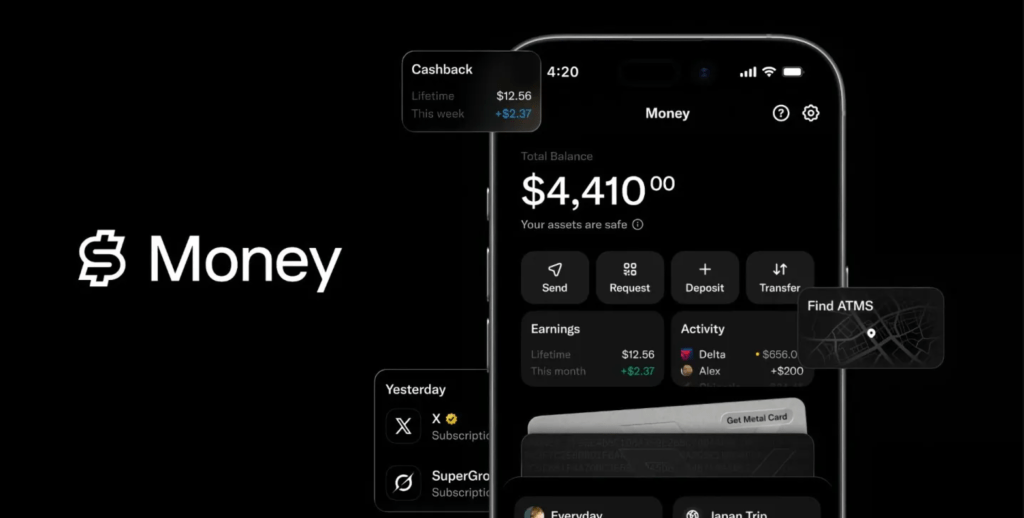
X is moving all U.S. creator payouts from Stripe to X Money, making its own payments service mandatory for creators earning through subscriptions and the Original Content Rewards Program.
Creators outside the U.S. will continue using Stripe, while X is also retiring its older Creator Revenue Sharing Program on September 7.
X Money now sits deeper inside the platform’s creator economy, offering payments, banking-style features and higher yields for Premium users.
Why it matters: X is using creator payouts to drive adoption of X Money. If the strategy works, it could help Elon Musk move X closer to his long-term goal of building an all-in-one financial and payments platform.
AI data center boom is creating winners beyond Nvidia
McKinsey expects nearly $7T in global data center investment by 2030, with demand increasingly constrained by transformers, power equipment and grid connections rather than just GPUs.
Suppliers like HD Hyundai Electric, Jinpan and Delta Electronics are seeing surging orders as AI data centers require far more power and cooling infrastructure.
Liquid cooling could reach 70% of new AI data center installations by 2030, while newer technologies like solid-state transformers are also gaining attention.
Why it matters: The AI infrastructure opportunity is spreading far beyond chipmakers. As power, cooling and grid access become bigger bottlenecks, the companies solving those constraints could become some of the next major beneficiaries of AI spending.
ByteDance secures nearly $30B loan
ByteDance reportedly secured a $29.6B loan after originally seeking $20B, with strong bank demand allowing the company to increase the size of the facility.
The financing gives the Chinese tech giant substantial new capital as it continues investing across AI, cloud infrastructure, and its broader product ecosystem.
Reuters said it could not independently verify the report, which was first published by Bloomberg.
Why it matters: Access to this much capital strengthens ByteDance’s ability to compete aggressively in AI and infrastructure at a time when leading tech companies are spending tens of billions to secure compute and scale new products.
Waymo challenges Tesla’s camera-only self-driving approach

Waymo says camera-only systems are not safe enough for fully autonomous driving, arguing that robotaxis need a combination of cameras, lidar and radar.
The company says more than 200 million real-world autonomous miles show that relying on a single sensor type can create black-box failures and perception errors.
The comments come just before Tesla’s Cybercab event, where the company is expected to push its camera-only approach for a vehicle with no steering wheel or pedals.
Why it matters: The robotaxi race is becoming a debate over safety architecture, not just software performance. Waymo and Tesla are taking fundamentally different approaches, and whichever proves safer and easier to scale could shape the future standard for autonomous vehicles.
LAST COFFEE SIP
🌎 Around The Ecosystem
Uber: Is laying off about 3,300 employees, roughly 10% of its workforce, while cutting management layers, consolidating teams into fewer hubs, and sharply reducing fully remote roles.
Meta: Launched Muse Voice Transcribe, a real-time AI audio model that can transcribe conversations with 20+ speakers, identify individual speakers, and handle multilingual code-switching across 25 supported languages at launch.
Apple: The iPhone 18 Pro is rumored to get a variable-aperture main camera, potentially giving users more control over depth of field, low-light shots and video exposure, with larger sensors and wider apertures also reportedly under consideration.
MUST READ
📚 Worth Your Time
What investors do after opening your deck: Papermark analyzed 24,541 pitch decks and found that most investors decide fast: 50% of views last less than 77 seconds. The report also shows which decks keep investors reading, including why traction-first decks and 12-slide decks perform better.
The YC seed deck structure: Most founders build decks from random templates. This piece breaks down the repeatable structure used by YC startups that raised $450M+. It also covers the simple design rules that make a deck clear, readable, and easy for investors to understand quickly.
HIRING ALERT: STARTUPS & VC ROLES
💼 Today’s VC & Startup Job Opportunities
Associate, Healthcare | B Capital Group | USA | Apply Here
Portfolio Reporting Team Lead | Cerity Partners | USA | Apply Here
Associate | Mount Judi Ventures | USA | Apply Here
Technical Investment Operations Associate | Alpaca VC | USA | Apply Here
VC Research Lead | Murph Capital | Remote | Apply Here
Trade Operations Analyst | RA Capital | USA | Apply Here
Portfolio Management Associate | Cerity Partners | USA | Apply Here
Corporate Controller | a16z | USA | Apply Here
Investment Associate | Cerity Partners | USA | Apply Here
📍 Tips to Break Into VC
What should your CV look like for a VC job?
Most VC applicants are not rejected because they lack experience. Their CV simply fails to show the three things funds actually look for: sourcing, judgment, and hustle.
This deep dive breaks down how to structure a VC CV, rewrite your experience for investing roles, build proof-of-work, and fix your LinkedIn profile. It also includes before-and-after examples, a 20-point screening checklist, and practical guidance for consultants, bankers, students, operators, and engineers.
PARTNERSHIP WITH US
🤝 Get your brand in front of 125,000+ decision makers.
Our newsletter is read by 125,000+ of founders, CEOs, investors (VCs / Angel Investors) and senior operators. Get in touch today.
Do you have any news to share about your Startup or VC fund? Please email us.
We’ll be back in your inbox on Tomorrow.