


The AI race is getting cheaper at the model layer and more expensive everywhere else.
Meta and Anthropic are cutting model costs, while OpenAI is already at $10B in quarterly revenue but still losing even more than that. At the same time, regulation and chip access are becoming harder constraints.
More than $2.58B is also being raised across growth, AI-native, and biotech venture strategies.
Five signals worth watching today:
OpenAI hit $10B in quarterly revenue as losses kept climbing.
Meta launched its cheapest AI model yet.
Anthropic released faster and cheaper frontier models.
New York began enforcing a major AI safety law.
More than $2.58B is being raised across new venture funds.
FROM OUR PARTNER - THE COFFEE CLASS
Investors are backing The Coffee Class, the Las Vegas coffee brand with 122,000+ annual guest visits
The U.S. coffee market is worth $48B, but The Coffee Class is building its business around more than just coffee.
Founded in Las Vegas in 2019, The Coffee Class combines specialty coffee, scratch-made pastries, and chef-driven breakfast and brunch menus. What started as one café has grown into a hospitality group with four concepts, including Almond & Oat, Horizon Shine Coffee Co., and Terminal 4 Bar.
Why investors are paying attention:
122,000+ guest visits recorded across its café brands’ rewards programs in the past year
Raised $766K+ from 350+ investors across two previous StartEngine offerings
Competes in the $48B U.S. coffee market and $15.6B daytime dining market
Founded by Kyle Cunningham, who brings 15+ years of Las Vegas real estate experience to location selection
This is the time to back The Coffee Class
As demand for specialty coffee and premium daytime dining continues, The Coffee Class is expanding its presence across Las Vegas with a growing portfolio of café and hospitality brands.
With seven operating locations, a loyal customer community, and two additional locations in progress, the company is looking to turn its local success into a larger hospitality business.
PARTNERSHIP WITH US
🤝 Get your brand in front of 125,000+ decision makers.
Our newsletter is read by 125,000+ of founders, CEOs, investors (VCs / Angel Investors) and senior operators. Get in touch today.
STARTUPS RAISING MILLIONS
💰 Startup Funding Updates
At least $1.53B + €6.4M disclosed across today’s startup financings
The three biggest financings:
Mercor: $750M Series D
Nominal: $240M Series C
Calibrant Energy: $145M debt facility
Together, those three companies accounted for roughly 74% of today’s disclosed dollar funding.
$0 RAISED
Trialfacts · 20 years · 40+ team · competing with IQVIA: A bootstrapped patient-recruitment shop in a $4.49B market the giants don’t own. (Read Here)
PRE-SEED
Staera Semiconductor: San Francisco-based optical interconnect startup building data links directly into silicon chips raised $4.6M led by Openspace Capital, with participation from SGInnovate, Black Kite Capital, 28 Holdings, In Group, and Decimus Technologies.
Ridero: New York-based AI-powered automotive finance infrastructure platform raised $2.7M from RiverPark Ventures, NY Ventures, Green Egg Ventures, Blackpoint Capital, and Potamkin Ventures.
Valkyrie Dynamics: Vilnius-based developer of miniature radar seekers for drone interceptors raised €1M led by Hexa, with participation from defense technology angel investors.
Numina: Copenhagen-based free accounting platform for small businesses raised €1.1M from Nebular, Emblem, Founders A/S, The Nordic Web, and angel investors.
Wafr: Dubai-based global Islamic financial platform raised an undisclosed pre-seed round from Coen Jonker and Neal Cross.
SEED
Dreeze: Tel Aviv-based cloud backup and application recovery platform raised $33M led by Norwest and Bessemer Venture Partners, with participation from Claltech.
Bay: Tel Aviv-based AI security infrastructure company raised $50M across Seed and Series A financing. Battery Ventures led the $37M Series A, while YL Ventures and Striker Venture Partners led the previously undisclosed $13M Seed round.
Marble: New York-based capital markets infrastructure platform for frontier markets raised $11M led by Polychain Capital, with participation from Maven 11, Ripple, Susquehanna Crypto, Lattice, Blockwall, and others.
Blackletter: New York-based legal technology platform combining proprietary software with lawyers raised $6M led by Lerer Hippeau, with participation from Seven Stars, Maple VC, Garage Capital, Ripple Ventures, and technology founders.
Efferon: Villach-based medical device company developing hemoadsorption technology raised €4.3M from existing private investors across the DACH region.
GROWTH
Mercor: San Francisco-based AI data company helping organizations train and evaluate models using human expertise raised $750M Series D at a $20B valuation. Backers included Benchmark, Felicis, General Catalyst, NVIDIA, Salesforce, Sapphire Ventures, StepStone Group, Apollo affiliates, XTX Ventures, and others.
Nominal: Austin-based hardware intelligence platform raised $240M Series C at a $3B valuation. The round was co-led by Lightspeed Venture Partners and Insight Partners, with participation from Lux Capital, Sequoia, General Catalyst, Founders Fund, Lockheed Martin Ventures, Salesforce Ventures, and others.
Calibrant Energy: Boston-based provider of on-site energy solutions for large power users secured a $145M debt facility led by Investec, with participation from Citi, Liberty Bank, and Siemens Financial Services.
Daylight: New York-based cybersecurity company combining AI-native software with human security experts raised $80M Series B led by Goldman Sachs Alternatives, with participation from Okta Ventures, Bain Capital, Craft Ventures, Vintage Partners, and Maple Capital.
Oyster Therapeutics: London-based pharmaceutical company raised $60M Series A-2 led by 4BIO Capital, with participation from Eli Lilly, CE Ventures, Actium Group, Toho Ventures, Syncona, Oxford Science Enterprises, and others.
Charta Health: San Francisco-based AI medical chart review platform focused on billing accuracy raised $55M Series B led by Insight Partners, with participation from Madrona, Bain Capital Ventures, South Park Commons, and QuantumLight.
WhiteMatter: San Francisco-based security and governance platform for enterprise AI agents raised $20M Series A led by Blumberg Capital, with participation from Crew Capital and Sprout & Oak.
Primordial Labs: New Haven-based natural language command and control platform for military systems raised $18M Series A led by Ballistic Ventures, with participation from Squadra Ventures and Lockheed Martin Ventures.
PromptPath: Austin-based AI conversation assistant for automotive dealerships raised $12M Series A led by FM Capital and Armory Square Ventures, with participation from Automotive Ventures, Holman Ventures, and automotive industry investors.
Ancep: London-based AI agent platform for commercial insurance brokers raised $8.5M led by Creandum, with participation from Kleiner Perkins, Vicus Ventures, and operators from OpenAI, Anthropic, and Google DeepMind.
Movin: Seoul-based LiDAR-powered 3D motion data AI platform raised approximately $7.5M Series A led by IMM Investment, with participation from Industrial Bank of Korea, Voyager Ventures, Atinum Investment, NAVER D2SF, and Schmidt.
Toutix: New York-based event data platform helping teams, artists, and venues own their fan data received a $3M investment from Evolution Equity Partners.
Scalestack: New York-based governance and control platform for autonomous AI agents raised an undisclosed round led by Leonis Capital, with participation from Zapier, Deel, and AAF. The company also acquired AI agent workspace Alysio.
Sparxity: Dresden-based sparse-native AI computing company raised an undisclosed Series A led by ICM HPQC Fund, with participation from Lockheed Martin Ventures, GlobalFoundries, GS Futures, EIC Fund, Silicon Catalyst, and others.
📍 Funding Signal
Security and governance are becoming core infrastructure for the agentic enterprise.
Daylight, Bay, WhiteMatter, and Scalestack are all building around controlling, securing, or governing autonomous systems. As AI agents gain access to sensitive data and enterprise workflows, investors increasingly see the security layer as a major standalone market.
At the same time, Mercor and Nominal show that capital is still concentrating around companies that provide critical inputs to AI and physical systems. The strongest funding is going to businesses that control scarce data, infrastructure, or technical workflows rather than generic application layers.
NEW VCs IN THE MARKET
🏦 Venture Capital Updates.
More than $2.58B is being raised across growth, AI-native, and biotech venture strategies
Altimeter Capital is raising $2.5B for its ninth Premier Growth fund.
The Menlo Park-based firm invests across the technology lifecycle, with a focus on backing companies that can become large category leaders. The new vehicle reinforces Altimeter’s capacity to write substantial growth-stage checks into later-stage technology businesses.
Mento VC is raising $55M for its second fund, focused on early-stage AI-native founders.
The San Francisco-based firm uses an in-house data model that tracks more than a billion signals to identify founders early, giving it a sourcing strategy built around proprietary data rather than traditional network-driven deal flow alone.
Proximal Ventures raised a $27.5M debut fund to back pre-seed and seed startups using AI to transform drug development tools, infrastructure, and services.
The firm will write checks of $500K to $1.5M and has already invested in seven companies. LPs include SignalFire, Kleiner Perkins, Bertelsmann Healthcare Investments, Nan Li, Zavain Dar, and Amy Abernethy.
📍 Capital signal
The contrast is increasingly clear across venture fundraising. Large firms like Altimeter are competing through scale and follow-on capacity, while emerging managers like Mento and Proximal are building narrower sourcing advantages around proprietary data or specialized domain expertise. The middle ground is getting harder to differentiate.
KEY STORIES IN TECH
📜 Latest In Tech
OpenAI acquires AI travel startup Odessia
OpenAI has acquired Odessia, an AI travel agent founded by Sonder founder Francis Davidson, who is now joining OpenAI to work on the future of travel.
Odessia raised a $6M pre-seed round led by Sequoia and used teams of AI agents to help users plan trips, but the product has already been shut down following the deal.
OpenAI has not announced a dedicated travel product yet, though travel is already a major use case for ChatGPT and the company works with platforms including Booking.com, Expedia, and KAYAK.
Why it matters: OpenAI could be laying the groundwork for a much deeper push into agentic travel planning, where ChatGPT does more than recommend trips and starts handling the full booking workflow.
Anthropic’s seven founders could each cash out about $250M in IPO
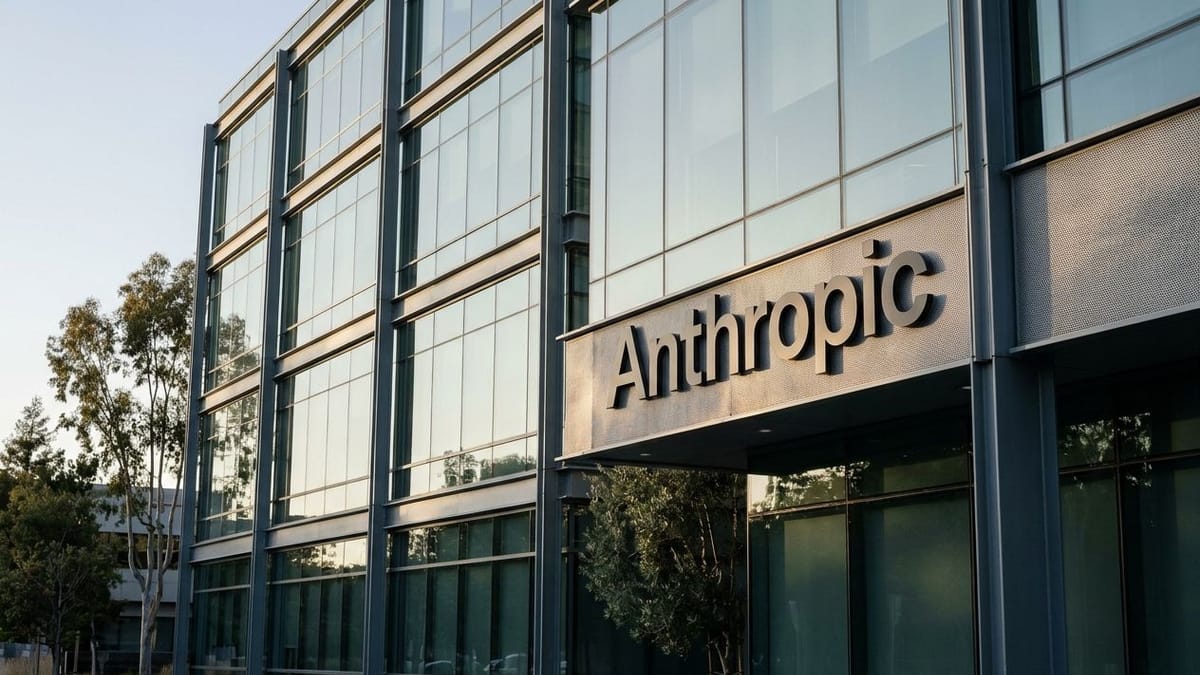
Each of Anthropic’s seven co-founders plans to sell 3.38M shares in the IPO, which would generate roughly $250M per founder at the midpoint of the proposed $70 to $78 price range.
Even after selling shares, the founders will collectively retain about 22% of Class A stock and hold special Class F supervoting shares.
That structure will give the seven founders 51.1% of voting power, allowing them to maintain control of Anthropic even as the company enters public markets.
Why it matters: Anthropic is using its IPO to provide major founder liquidity without giving up control, reinforcing a governance model where the founding team can still shape long-term decisions despite becoming a public company.
Blacklisted Chinese university obtained Nvidia H200 chips despite U.S. restrictions
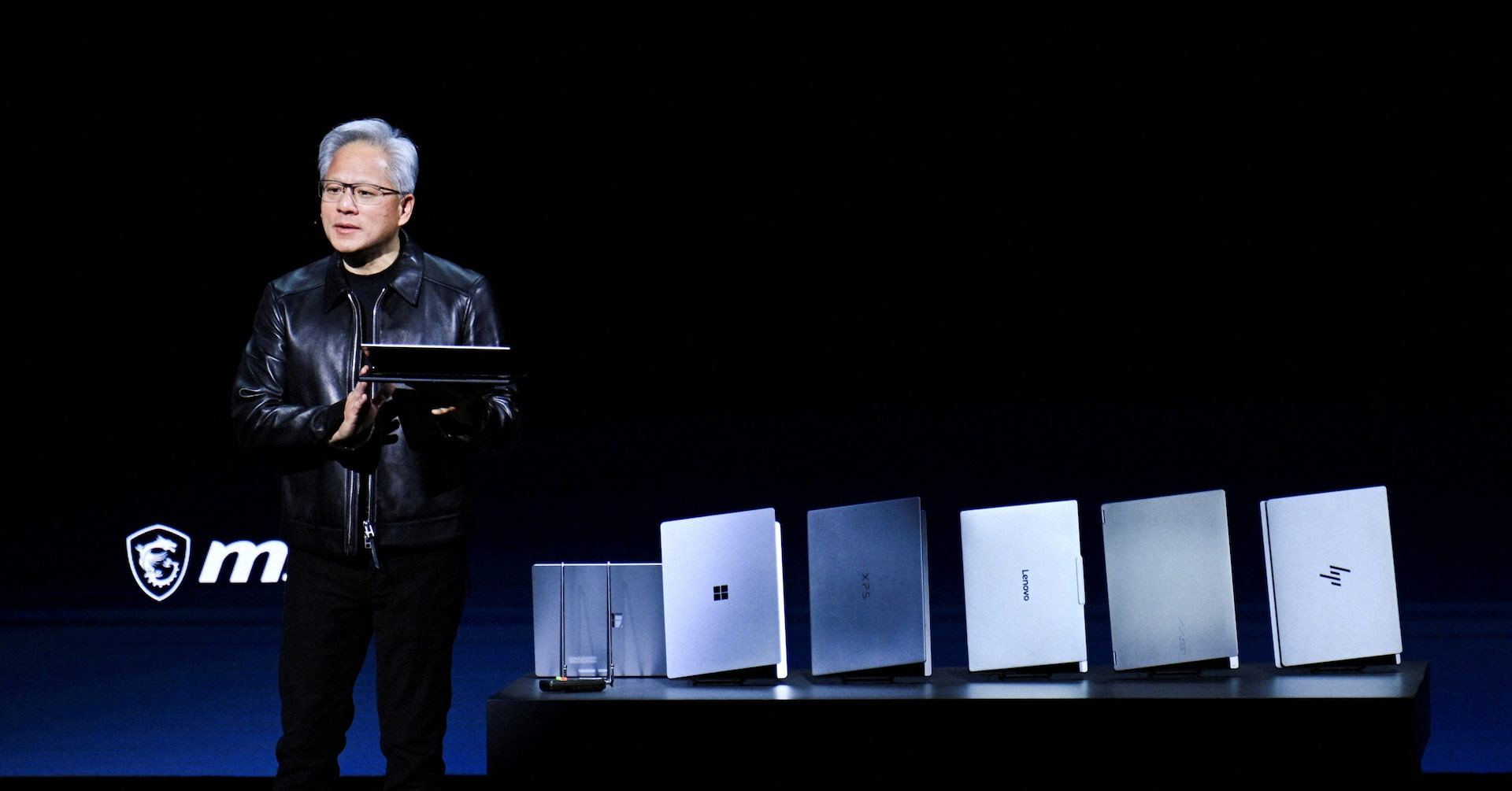
Northwestern Polytechnical University, a Chinese institution with military ties that has been on the U.S. Entity List for years, bought two Nvidia H200 chips last month through a domestic supplier.
Reuters also found that the university and other Chinese institutions have been renting or buying access to restricted Nvidia H200, H100, A100, and A800 chips through local intermediaries.
The purchases did not come directly from Nvidia, highlighting how domestic resellers, third-country routes, and rented compute can still provide access to advanced U.S. AI hardware.
Why it matters: The story exposes a major enforcement gap in semiconductor export controls. Restricting direct sales is not enough if sanctioned institutions can still obtain the same computing power through intermediaries or cloud access.
Meta launches Muse Ember, its cheapest AI model yet
Meta has launched Muse Ember, a small model that it says matches Claude Haiku 5.5 on intelligence benchmarks while completing some tasks at roughly one-third the cost.
Ember is priced at $0.10 per million input tokens and $0.50 per million output tokens, targeting repeated jobs like tool calling, document parsing, and lightweight agent workflows.
The model supports up to 1M tokens across text, images, audio, and video, though Meta is keeping the model weights closed.
Why it matters: The AI price war is moving deeper into small models, where cost and efficiency matter more than raw frontier performance and could determine which models power millions of everyday agent tasks.
Anthropic launches Claude Fable 5.2 and Mythos 5.2

Anthropic has released Claude Fable 5.2 and Claude Mythos 5.2, its latest frontier models, as the company approaches a possible IPO.
The new models are 30% faster than the 5.1 generation and 20% cheaper, with pricing at $8 per million input tokens and $40 per million output tokens.
Anthropic says the models also went through updated safety and alignment testing, making this its first frontier release since Dario Amodei called for a slower pace of AI development.
Why it matters: Anthropic is continuing to push the price-performance curve even as it talks more openly about AI safety, showing the tension between commercial competition and calls to slow frontier development.
Report reveals Huang affair aided $7.5 billion China chip shipments
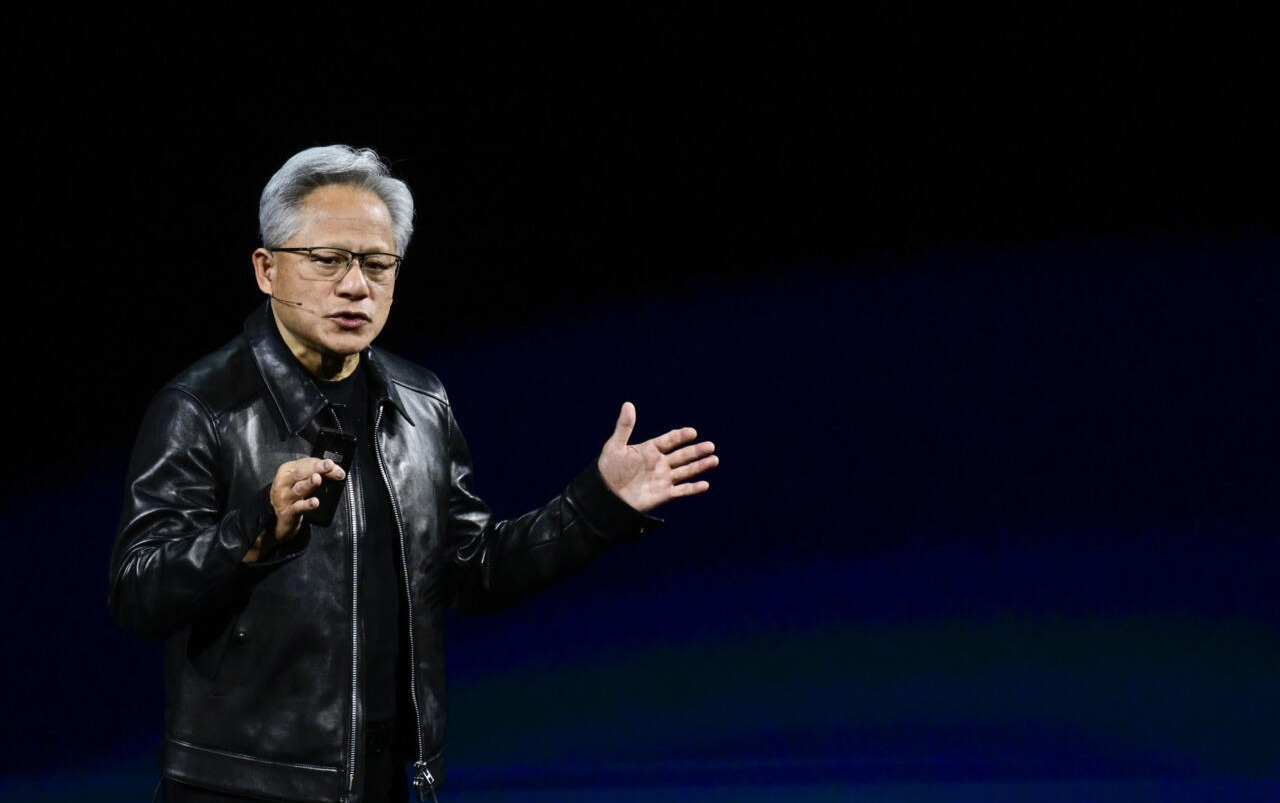
New reporting says Alice Huang and related companies helped facilitate billions of dollars in Nvidia chip purchases, including some chips restricted from export to China.
Nvidia’s board is investigating Jensen Huang’s relationship with her, while U.S. lawmakers have also requested a closed-door briefing over possible national-security risks.
The controversy is already affecting Huang publicly, with speaking appearances canceled and Nvidia shares falling more than 5% after his admission of the affair.
Why it matters: The issue is becoming less about Huang’s personal conduct and more about whether Nvidia’s leadership, export controls, and China business created vulnerabilities around strategically important AI chips.
Meta brings Muse to Apple Watch and Wear OS

Meta has launched Muse on Apple Watch and Wear OS, letting users interact with the AI agent through voice, text, and dictation directly from their smartwatch.
The move follows Muse’s rapid expansion across iPhone, iPad, video chat, and Spaces, as Meta tries to make the assistant available across more daily touchpoints.
Muse has already crossed 10 million U.S. downloads within 40 days, giving Meta early consumer traction as it expands the product across devices.
Why it matters: Meta is positioning Muse as an always-available personal agent, and wearables could become an important interface for AI assistants that users interact with throughout the day.
OpenAI launches business profiles inside ChatGPT just a little bit more like Google
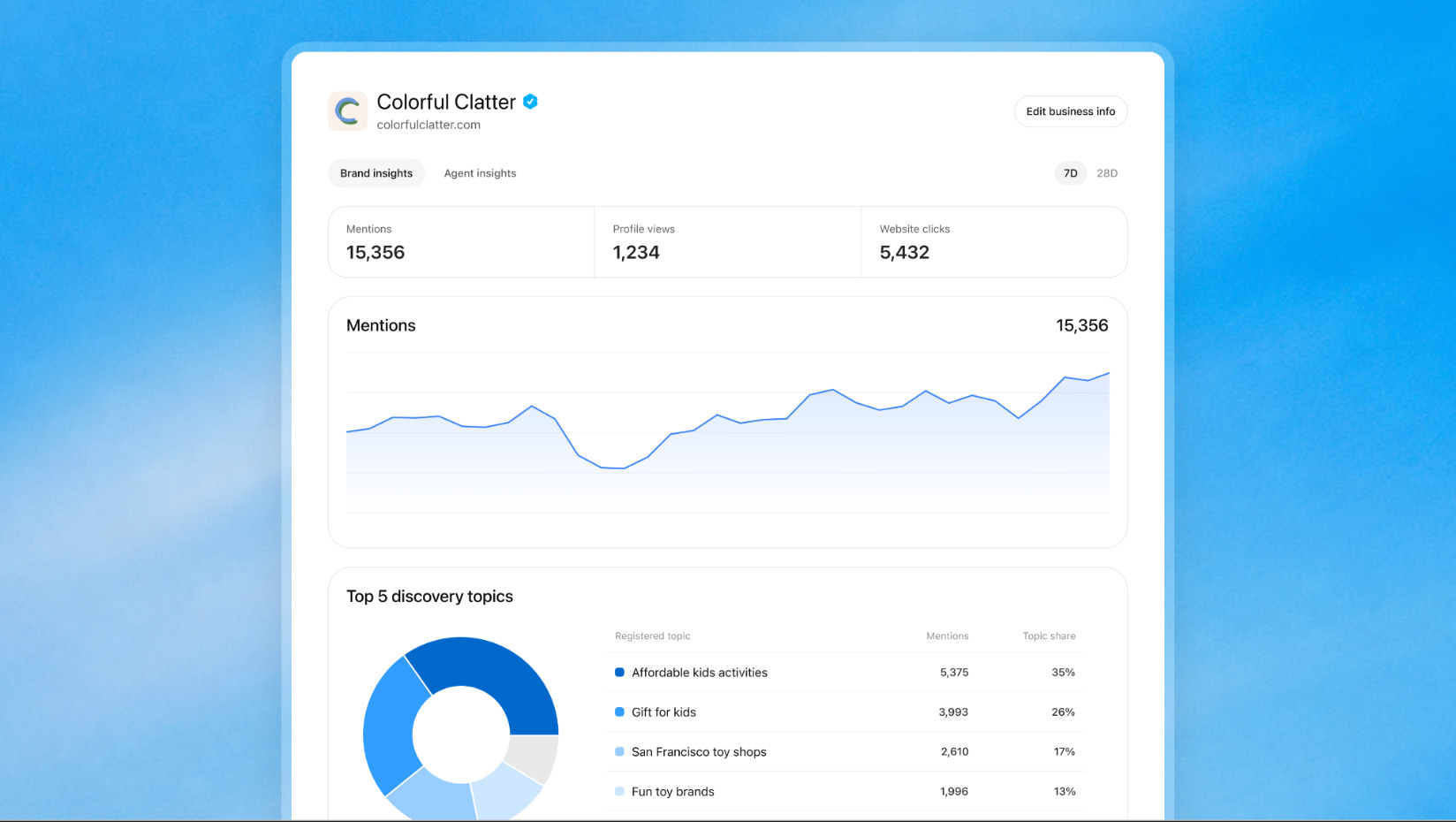
OpenAI is rolling out a Business Hub where companies can verify and manage how their products, services, and business information appear inside ChatGPT.
Eligible businesses will also be able to launch specialized agents that answer user questions, while new analytics show profile views, mentions, clicks, and other engagement signals.
The move gives OpenAI a Google-like discovery layer after its earlier attempt to turn ChatGPT into a direct checkout and e-commerce platform failed to gain traction.
Why it matters: OpenAI is shifting from simply answering questions about businesses to becoming infrastructure that connects consumers and companies directly, creating another potential monetization layer around search, discovery, and commercial intent.
OpenAI hits $10B quarterly revenue as losses keep climbing

OpenAI’s Q3 revenue reportedly rose about 50% to $10B, showing continued strong demand across ChatGPT and its broader AI business.
But operating losses widened to $10.9B, even as its adjusted operating margin improved to -109% from -150% in the previous quarter.
The numbers arrive as investors scrutinize the sustainability of frontier AI economics, especially with Anthropic preparing for a potentially massive IPO.
Why it matters: OpenAI is proving it can grow revenue at extraordinary speed, but the cost of competing at the frontier remains just as extraordinary. The key question is whether revenue can eventually outpace compute and infrastructure spending.
LAST COFFEE SIP
🌎 Around The Ecosystem
SpaceX: Google executive Donald Harrison has resigned from SpaceX’s board after more than a decade, with Elon Musk saying the move was driven by growing conflicts of interest with Alphabet, which remains SpaceX’s largest institutional shareholder.
MUST READ
📚 Worth Your Time
What 34 AI startup landing pages have in common. An analysis of 34 funded AI startups reveals how leading companies structure their homepages, from headlines and product demos to pricing, CTAs, and social proof. This piece breaks down the patterns across enterprise, self-serve, and developer products, with a practical template founders can use to improve their own landing pages.
The AI startup onboarding playbook: An analysis of 30 AI products, including Lovable, Perplexity, Cursor, and Clay, reveals how leading startups get users to experience value within minutes. This piece breaks down the onboarding flows, signup friction, free trials, and email sequences, with practical templates founders can use to improve activation and reduce early churn.
HIRING ALERT: STARTUPS & VC ROLES
💼 Today’s VC & Startup Job Opportunities
Portfolio Management – Citi Ventures | USA - Apply Here
Partner 22, New York Events Space Lead - a16z | USA - Apply Here
Head of Investor Relations - VIDA Vision Fund | USA - Apply Here
Origination Associate - Flagship | USA - Apply Here
Intern - Investment Management - Yournest | India - Apply Here
Investment Manager - Blue Ashva Capital | India - Apply Here
Fund Operations Associate - Airtree Venture | USA - Apply Here
Research Intern, Frontier - a16z | USA - Apply Here
Analyst - Pender Ventures | USA - Apply Here
Investment Associate - Misumi Ventures | USA - Apply Here
Director, UK Office - In-Q-Tel - Apply Here
Check out 25+ VC job opportunities in “BREAK INTO VC” newsletter.
📍 Tips to Break Into VC
The AI-native VC analyst: what six funds say they actually want now
A lot of aspiring VCs are still preparing for the 2021 version of the analyst job: build a market map, make a spreadsheet, write a memo. But funds are increasingly using AI and data tools for those tasks already. The real differentiation is knowing where the tools are wrong, what they missed, and what judgment you bring on top.
This deep dive breaks down what six funds said they now expect from junior hires, the five-layer stack they use across sourcing, scoring, CRM, research, and judgment, plus the free alternatives candidates can learn with.
It also includes a practical 14-day build to create a sourcing system you can actually demo, along with the CV, LinkedIn, outreach, and interview positioning that shows you can do the “Monday afternoon” part of the job.
PARTNERSHIP WITH US
🤝 Get your brand in front of 125,000+ decision makers.
Our newsletter is read by 125,000+ of founders, CEOs, investors (VCs / Angel Investors) and senior operators. Get in touch today.
Do you have any news to share about your Startup or VC fund? Please email us.
We’ll be back in your inbox on Tomorrow.