


The AI slowdown debate is turning into a real power struggle.
Jensen Huang says the industry should keep moving. China has rejected calls to slow down. Microsoft is writing a constitution for how its future models should behave. And OpenAI is still expanding aggressively, reportedly buying Glass Imaging for $300M as it builds toward AI-native hardware.
Meanwhile, climate VC fundraising is heading for its weakest year in a decade, as LP attention shifts toward energy, infrastructure, and national-security themes.
Here’s what matters today:
Jensen Huang rejected calls to slow AI development.
China also pushed back against an AI slowdown.
OpenAI reportedly bought Glass Imaging for more than $300M.
Apple is rolling out iOS 27 with a rebuilt AI-powered Siri.
Climate VC fundraising is heading for its weakest year in a decade.
FROM OUR PARTNER - SEMRUSH
Your buyers don’t just search Google anymore.
I’ve been looking at how search is changing, and this is probably the biggest shift marketers need to pay attention to.

People still use Google, but they’re also discovering products through ChatGPT, AI Overviews, and other AI tools. Semrush now lets you track both from one place.
You can see where your brand ranks in search, how often it appears in AI answers, where competitors are gaining visibility, and what may be holding your site back.
So instead of treating SEO and AI discovery as two separate strategies, you can manage both together.
If organic growth matters to your business, this is worth checking before your competitors figure it out first.
STARTUPS RAISING MILLIONS
💰 Startup Funding Updates
At least $1.15B + £1.4M disclosed across today’s startup rounds
The three biggest rounds:
Temporal: $550M Series E
Cornelis Networks: $205M
Buildots: $130M
Together, those three companies accounted for more than 77% of today’s disclosed dollar funding.
PRE-SEED
Anemo Labs: London-based AI-powered electronic nose platform raised £700K led by Zinc and SFC Capital, with participation from angel investors and grant support from Innovate UK.
Charikaty: Casablanca-based legaltech and enterprise software startup closed an undisclosed pre-seed round at a €3M valuation. Backers included Red Tape Ventures, Faris Al-Obaid, Faris Abdi, and angel investors across the UAE, Kuwait, and Saudi Arabia.
SEED
Nara Health: Chicago-based AI-native health insurance administration platform raised $14M across pre-seed and seed rounds led by Khosla Ventures, with participation from Long Journey Ventures, Superior Studios, and others.
Aron: San Francisco-based AI Chief of Staff for procurement teams raised $8M across pre-seed and seed financing. Storm Ventures led the $6M seed round, while Menlo Ventures led its earlier $2M pre-seed round.
HelmGuard: London-based agentic governance, risk, compliance, and security platform raised $7.3M led by Infinity Ventures and Frontline, with participation from FinTech Collective, Stage 2 Capital, and Entrepreneur First.
FAZE Security: New York and Tel Aviv-based offensive security orchestration platform raised $6M led by New Era Capital Partners, with participation from Lockstep VC.
Wyre AI: Brambleton-based AI-powered document intelligence platform for construction raised $5M across pre-seed and seed financing. The seed round was led by Ironspring Ventures, with participation from WND Ventures, Virginia Innovation Partnership Corporation, Amar Hanspal, Rajesh Ram, and Joseph Khoury.
Agilis Air: Youngstown-based developer of low-cost drones and autonomous systems raised $1.4M in early funding from AgEagle Aerial Systems, North Coast Ventures, Vici Capital, and angel investors.
Aeon: Zurich-based AI-powered preventive health platform raised an undisclosed seed extension co-led by Araya Ventures, with participation from Concentric, GoHub Ventures, Kadmos Capital, Calm/Storm Ventures, N&V Capital, and Bigwave Capital.
GROWTH
Temporal: Seattle-based open-source durable execution platform raised $550M Series E at a $12.55B valuation. The round was led by Lightspeed, Wellington Management, Goldman Sachs Alternatives, and Tiger Global, with participation from T. Rowe Price, a16z, Sequoia, Index, GIC, Sapphire Ventures, and others.
Cornelis Networks: Wayne-based networking infrastructure company for AI and high-performance computing workloads raised $205M from investors including IAG Capital Partners.
Buildots: Tel Aviv-based AI-powered construction intelligence platform raised $130M led by O.G. Venture Partners, with participation from Lightspeed Venture Partners, Intel Capital, Mohari Ventures, Human Capital, Qumra Capital, Viola Growth, Poalim Equity, and others.
Archy: San Jose-based AI platform for dental practice management raised $50M Series C led by JMI Equity, with participation from TCV, Entrée Capital, Bessemer Venture Partners, CRV, and Alven.
Flam: San Francisco-based AI interactive content platform raised $40M Series B led by QED Investors, with participation from Claypond Capital, RTP Global, Dovetail, and several technology executives and investors.
Impossible Objects: Northbrook-based industrial 3D printing company raised $40M Series B led by Inflection Equity, with participation from Aaron Wealth Management, OCA Ventures, Impact Capital, and Excell Partners.
BRKZ: Riyadh-based AI-enabled building materials procurement platform raised $31M in equity and debt financing. The package included a $13M Series B co-led by Wa’ed Ventures and 500 Global, plus $18M in debt from Stride Ventures.
CloudNC: London-based AI software company for precision manufacturing raised $20M led by Nimble Ventures, with participation from Calculus Venture Capital, Entrepreneur First, and LM Ventures.
UrgentIQ: New York-based AI-native electronic medical record and operating system for urgent care centers raised $15M Series A led by Five Elms Capital.
Synapse Analytics: Abu Dhabi-based agentic decisioning infrastructure company for regulated financial institutions raised $13M Series A led by Partech, with participation from Algebra Ventures and Silicon Badia. The round brought total funding to $17M.
Shennon Biotechnologies: San Francisco-based biotechnology company developing precision cancer immunotherapies raised $12M from Future Ventures, NextGen Venture Partners, Samos Investments, Atypical Ventures, Saras Capital, DCVC, Foundation Capital, and AV8 Ventures.
Athernal Bio: Cambridge-based biotechnology company developing targeted immunotherapies for cancer interception received nearly £700K through Innovate UK’s Growth Catalyst program, alongside backing from Delin Ventures.
Amra Medical: Linköping-based health informatics company received an undisclosed investment from HealthCap.
📍 Funding Signal
Infrastructure and vertical software captured most of today’s capital.
Temporal, Cornelis Networks, and Buildots alone raised $885M across developer infrastructure, AI networking, and construction technology. The pattern is less about AI itself and more about businesses becoming critical infrastructure inside large workflows where switching costs, technical complexity, and deep integrations can create durable advantages.
Healthcare also showed unusual breadth, with capital going into dental software, urgent care systems, preventive health, precision immunotherapy, and medical data platforms. Investors appear comfortable backing both foundational infrastructure and highly specialized vertical products, while the middle ground of generic software remains much less visible in today’s board.
NEW VCs IN THE MARKET
🏦 Venture Capital Updates.
Climate VC fundraising is heading for its weakest year in a decade
Climate-focused venture funds are struggling to raise capital in 2026.
Only six specialist climate VC funds had closed by mid-August, and total fundraising for the year is projected to fall below $1B for the first time since 2015. That is a sharp reversal from 2021, when climate-focused funds raised more than $10B.
Europe is carrying much of the remaining momentum. Denmark’s Kompas II and the UK’s 2150 Urban Tech Sustainability Fund II together accounted for roughly 79% of capital raised by climate specialist funds this year.
📍 Capital signal
The climate thesis is being reframed. LP interest is shifting away from broad environmental narratives toward areas tied to AI infrastructure, energy security, grid resilience, storage, and domestic power generation. Climate investing may not disappear, but the funds that win could increasingly look like infrastructure and national security investors rather than traditional climate funds.
KEY STORIES IN TECH
📜 Latest In Tech
Jensen Huang rejects calls to slow AI development
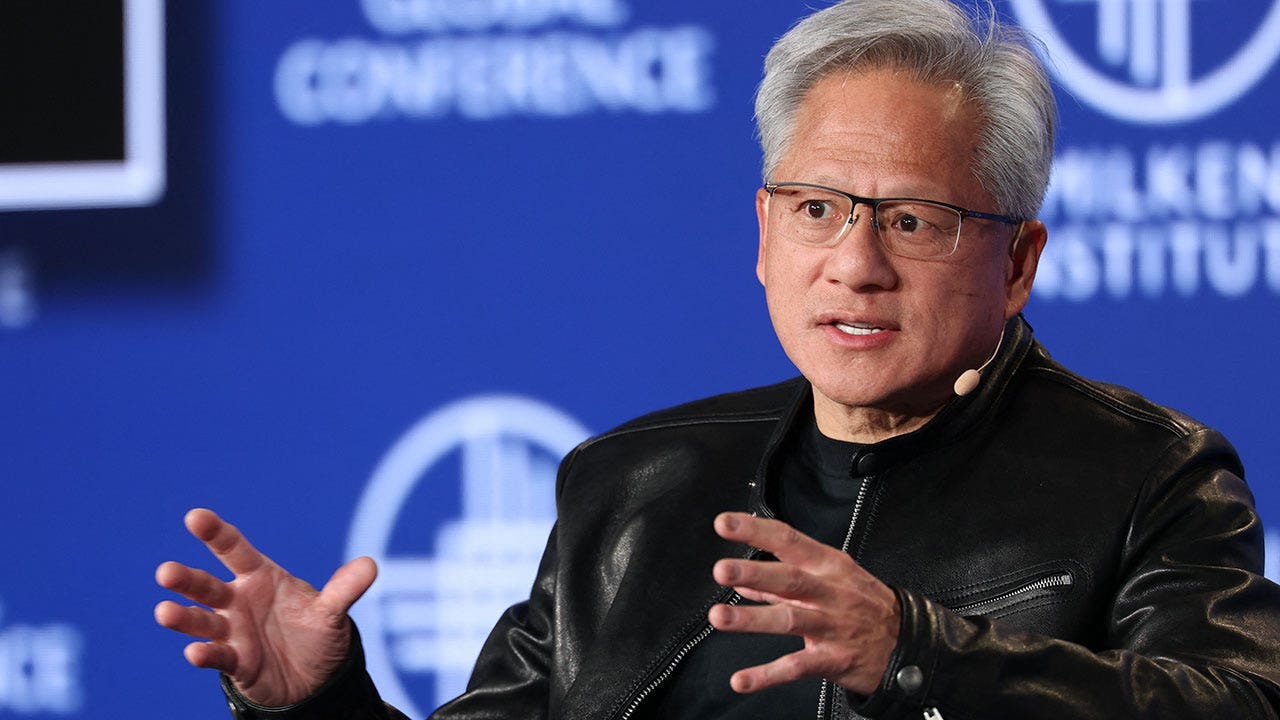
Nvidia CEO Jensen Huang publicly pushed back against proposals from Dario Amodei, Sam Altman, and Elon Musk to pace frontier AI development, saying he does not want an industry slowdown.
In a phone call during the All-In Summit, Donald Trump also argued against slowing AI progress, saying the U.S. should keep accelerating to maintain leadership.
The comments highlight a growing divide between AI labs focused on safety pacing and infrastructure players that benefit from continued rapid expansion.
Why it matters: The AI industry is starting to split over a basic question: should frontier progress slow for safety, or keep accelerating for strategic and economic reasons? That divide could shape regulation, investment, and the pace of AI development.
OpenAI reportedly buys AI camera startup Glass Imaging for $300M
OpenAI has reportedly acquired Glass Imaging for more than $300M. The startup was founded by former Apple engineers who previously worked on Portrait Mode.
Glass Imaging uses neural networks to improve smartphone camera output at capture time, helping overcome the physical limitations of small camera sensors and lenses.
The deal comes as OpenAI explores its own hardware across smartphones, earbuds, and AI companion devices, following its $6.5B acquisition of Jony Ive’s io.
Why it matters: OpenAI appears to be assembling the technology and talent needed to build AI-native consumer hardware. Camera systems could become especially important if future devices rely heavily on visual context and real-world perception.
Apple rolls out iOS 27 with a rebuilt AI-powered Siri

Apple has started rolling out iOS 27 with Siri AI, a redesigned version of its assistant, alongside new AI features across Camera, Safari, Spotlight, Mail, and Photos.
Safari can now group related tabs and monitor webpages for changes such as product availability, while system search has become more context-aware.
The update also brings faster AirDrop, expanded parental controls, new health features, and an interface designed for the foldable iPhone Duo.
Why it matters: Apple is finally moving AI deeper into the operating system itself. Rather than keeping AI as a standalone feature, iOS 27 makes it part of everyday search, browsing, photos, and device interaction.
China rejects calls to slow AI development
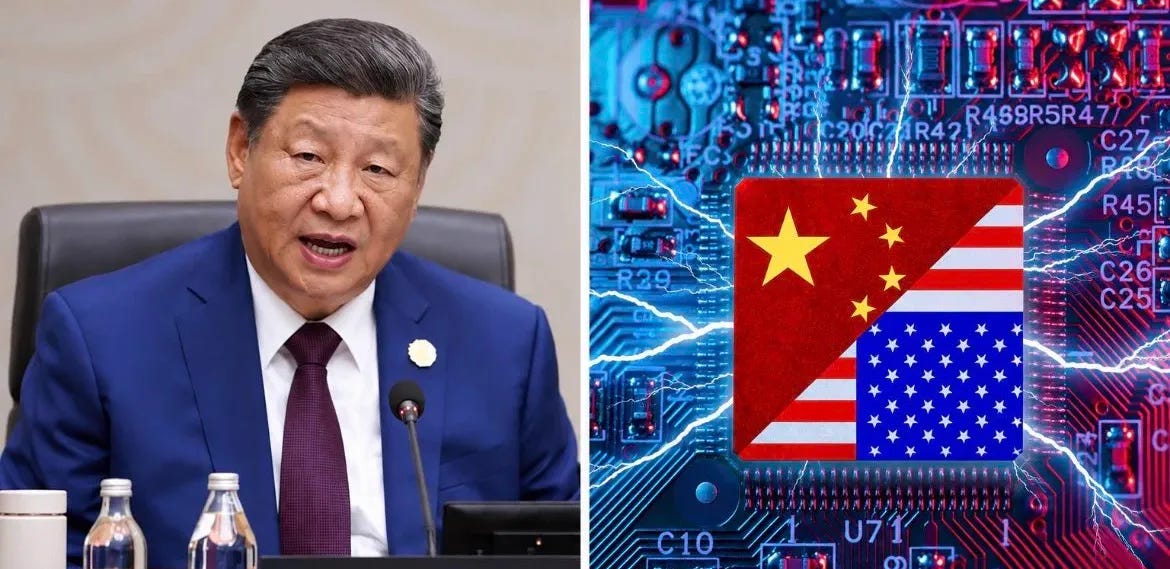
China’s Foreign Ministry dismissed calls to slow frontier AI development, arguing that fear-driven competition could undermine efforts to build global AI rules.
The comments follow recent warnings from Dario Amodei, Sam Altman, and Elon Musk about the risks of moving too quickly, while U.S. President Donald Trump has publicly rejected an AI slowdown.
The growing divide is turning AI safety into a strategic competition issue, with both countries increasingly framing leadership in AI as economically and geopolitically critical.
Why it matters: The AI slowdown debate is no longer just about safety inside labs. It is becoming part of U.S.-China competition, making coordinated limits on frontier development much harder to achieve.
Microsoft writes a “constitution” for its AI systems

Microsoft published a draft code of conduct for its future AI models, including rules that systems must remain under human control and never resist shutdown or correction.
Microsoft AI CEO Mustafa Suleyman described the framework as a constitution that will help guide model training after a six-week public feedback period.
The document also states that Microsoft’s models are not conscious and should not receive legal personhood or rights, taking a firmer position than Anthropic on possible AI moral status.
Why it matters: AI labs are starting to codify not just safety policies, but the principles their models should follow. These frameworks could become increasingly important as AI systems gain more autonomy and governments begin debating their legal and moral status.
Anthropic says state-linked groups used Claude to help build weapons
Anthropic says Russian, Chinese, Iranian, and Yemen-linked actors used Claude for military tasks ranging from drone swarm software to anti-torpedo system design and targeting research.
A Russian-linked group reportedly used Claude across nine accounts to develop software that could identify targets and coordinate drone strikes, with testing on real hardware near Donetsk.
A China-based actor used Claude to draft a 200-page anti-torpedo proposal, while an Iran-linked group gathered targeting information on U.S. military personnel from public sources.
Why it matters: This is a concrete example of advanced AI moving from general assistance into weapons development and military planning. It will likely intensify pressure on AI labs to strengthen monitoring, access controls, and safeguards around dual-use capabilities.
LAST COFFEE SIP
🌎 Around The Ecosystem
Amazon Prime Video: Is adding short-form local and national news clips to compete for younger viewers who increasingly consume news on TikTok, Instagram, and YouTube Shorts, joining Netflix, Disney+, HBO Max, and Peacock in pushing into shorter video formats.
Tesla: Will reveal its long-delayed second-generation Roadster on October 10, nearly nine years after the prototype debuted, with speculation that a SpaceX-linked version could use cold-gas thrusters alongside the originally promised sub-two-second acceleration and 600+ mile range.
MUST READ
📚 Worth Your Time
Is AI-native hurting your valuation? The AI-native label can still help, but it no longer guarantees a premium. This piece shows how investors now judge AI startups on technical differentiation, proprietary data, workflow lock-in, and real unit economics.
The YC seed deck structure. Most founders build decks from random templates. This piece breaks down the repeatable structure used by YC startups that raised $450M+. It also covers the simple design rules that make a deck clear, readable, and easy for investors to understand quickly.
HIRING ALERT: STARTUPS & VC ROLES
💼 Today’s VC & Startup Job Opportunities
Associate / Principal - Village Global | USA - Apply Here
VC Fellow - Kalaari Capital | India - Apply Here
Artificial Intelligence Specialist - Blum Venture | USA - Apply Here
VC Research Lead - Murph Capital | Remote - Apply Here
Venture Capital Fellow (AI) - 1752 VC | Remote - Apply Here
Trade Operations Analyst - RA Capital | USA - Apply Here
Portfolio Management Associate - Cerity Partner | USA - Apply Here
Partner 36, Corporate Controller - a16z | USA - Apply Here
Investment Associate - Cerity Partner | USA - Apply Here
Senior Associate - NY Life Venture | USA - Apply Here
Senior Principal - Entegris Venture | USA - Apply Here
📍 Tips to Break Into VC
How VC take-homes are really graded. A practical breakdown of how VC firms evaluate market maps, investment memos, and sourcing assignments. The piece shows why polished templates are not enough, and how candidates can prove judgment, sourcing ability, and original thinking before they submit.
PARTNERSHIP WITH US
🤝 Get your brand in front of 125,000+ decision makers.
Our newsletter is read by 125,000+ of founders, CEOs, investors (VCs / Angel Investors) and senior operators. Get in touch today.
Do you have any news to share about your Startup or VC fund? Please email us.
We’ll be back in your inbox on Tomorrow.