

The checks are getting bigger, but the labels are starting to mean less.
A $53M seed round, a $41M seed round, and a $40M seed round all landed today, while later-stage companies pulled in nine-figure financings at multibillion-dollar valuations. At the same time, venture firms are experimenting with new ways to return value to LPs, including direct distributions of private shares.
Across tech, the bigger debate is shifting toward autonomy and control: Meta is testing camera-free AI glasses, OpenAI and Anthropic want deeper independent safety audits, and industry leaders remain divided over whether frontier AI should slow down at all.
Five signals worth watching today:
More than $1.43B was disclosed across today’s startup rounds.
Factory raised $200M at a $5B valuation.
Valor distributed an estimated $8.5B of SpaceX shares directly to LPs.
OpenAI and Anthropic are pushing for independent safety evaluators inside their labs.
SpaceX is targeting Starship’s first full orbital flight.
FROM OUR PARTNER - SEMRUSH
Your buyers don’t just search Google anymore.
I’ve been looking at how search is changing, and this is probably the biggest shift marketers need to pay attention to.

People still use Google, but they’re also discovering products through ChatGPT, AI Overviews, and other AI tools. Semrush now lets you track both from one place.
You can see where your brand ranks in search, how often it appears in AI answers, where competitors are gaining visibility, and what may be holding your site back.
So instead of treating SEO and AI discovery as two separate strategies, you can manage both together.
If organic growth matters to your business, this is worth checking before your competitors figure it out first.
STARTUPS RAISING MILLIONS
💰 Startup Funding Updates
At least $1.43B + €5.8M + C$3.2M disclosed across today’s startup rounds
The three biggest rounds:
Factory: $200M
Profound: $180M Series D
Sling Therapeutics: $123M Series C
Together, those three companies accounted for more than $500M of today’s disclosed dollar funding.
PRE-SEED
JustSolve: Milan-based agentic AI infrastructure platform for credit management and collections raised €3.7M, including €3M in equity led by Base10 Partners, with participation from Entourage, 2100 Ventures, Vento Ventures, Ithaca, and angel investors.
Bynario: Milan-based cybersecurity startup raised €2.1M led by 360 Capital Partners, with participation from PranaVentures.
Orbits: Toronto-based AI household assistant platform raised nearly $2M led by Andreessen Horowitz Speedrun, with participation from N49P, Garage Capital, and angel investors.
SEED
Hang Ten Systems: Palo Alto-based applied AI services company for large enterprises raised an additional $53M led by Xora, with participation from Mayfield, Aramco Ventures, Lip-Bu Tan, Sanjay Mehrotra, and Jerry Yang.
Noetive: San Francisco-based AI intelligence platform for the physical economy raised $41M led by Eclipse, with participation from Craft Ventures, The Westly Group, Swish Ventures, Factory, Gigascale Capital, Liquid 2 Ventures, and others.
TypeSafe AI: San Francisco-based developer of machine-native and composable AI models raised $40M led by DCVC.
Fin.com: New York-based financial infrastructure company building a global money movement network raised $20M led by Expa and Garrett Camp, with participation from Coinbase Ventures, Tenet Fund, Figure founders, and others.
Scaffold: Austin-based AI platform coordinating trade contractors in homebuilding raised $15M led by Navitas Capital, with participation from D.R. Horton, Pulte Homes, Builders FirstSource, Grid Capital, Stage2 Capital, and others.
Liquid Compute: New York-based marketplace for trading AI infrastructure raised $15M co-led by FirstMark and Chemistry, with participation from K8 Capital, Night Capital, TrueBridge, and others.
G5 Labs: Boston-based MIT CSAIL spinout building an abstraction layer for AI-native software development raised $14M co-led by Pillar VC and Battery Ventures.
BoomerangHR: New York-based AI-powered offboarding and alumni management platform raised $12.7M led by Kalos Ventures and Album Ventures.
Complir: Copenhagen-based AI infrastructure platform for product compliance raised $11M led by General Catalyst.
Ferry Health: San Francisco-based AI personal assistant for healthcare tasks raised $9M from Andreessen Horowitz, Index Ventures, Avid Ventures, Layout Ventures, SV Angel, BoxGroup, and others.
Gaia Dynamics: Palo Alto-based AI-powered trade compliance platform raised $7M led by Corazon Capital, with participation from Lobby Capital, AI Fund, and Zenda Capital.
Expanse: San Francisco-based AI infrastructure company raised $5.3M led by Crane Venture Partners, with participation from PXN Ventures and angel investors.
Aristotle: San Francisco-based voice-first AI tutoring platform raised $5M led by True Ventures, with participation from Wicklow Capital and angel investors.
VerifAIX: Cupertino-based AI-native semiconductor verification and EDA startup raised $5M co-led by Endiya Partners and Bluehill VC.
Axo Longevity: London and Madrid-based preventive health membership platform raised $5M from MS&AD Ventures, Izou Partners, LifeX Ventures, Everywhere Ventures, and others.
Decimal AI: San Francisco-based customer engineering platform for technical support teams raised $4M co-led by Khosla Ventures and Kearny Jackson, with participation from Atlassian Ventures, Weekend Fund, and others.
Expertise AI: Toronto-based enterprise AI agent and skills platform raised C$3.2M led by UpHonest Capital, with participation from AMINO Capital, Welight Capital, UpScaleX, and AltaIR Capital.
Retham Technologies: Wauwatosa-based clinical diagnostics company developing platelet testing solutions raised $1.5M led by Talents Fund, with participation from Golden Angels Investors and Milwaukee Venture Partners.
GROWTH
Factory: San Francisco-based self-improving software development platform raised $200M at a $5B valuation from Blackstone, Khosla Ventures, Sequoia Capital, Insight Partners, NEA, Clearlake, Marc Benioff, and others.
Profound: New York-based AI marketing platform raised $180M Series D at a $1.8B valuation. The round was co-led by Sequoia Capital and Kleiner Perkins, with participation from Lightspeed Venture Partners, Khosla Ventures, Saga Ventures, Evantic, and South Park Commons.
Sling Therapeutics: Ann Arbor-based clinical-stage biopharmaceutical company developing a treatment for thyroid eye disease raised $123M Series C led by Forbion, with participation from TPG Life Sciences Innovations and Sectoral Asset Management.
CADDi: Chicago and Tokyo-based manufacturing technology company providing an AI data platform raised $114M Series D at a $1.2B valuation from Moore Strategic Ventures, Woven Capital, Salesforce Ventures, Atomico, Globis Capital Partners, and others.
Thatch: San Francisco-based health benefits platform raised $108M from The General Partnership, Index Ventures, General Catalyst, Andreessen Horowitz, ADP Ventures, Paychex, Eli Lilly, Scale Venture Partners, and others.
Kanin Energy: Calgary-based energy-as-a-service company focused on waste heat and industrial power projects raised up to $100M led by S2G Investments and Canada Growth Fund.
Circle Pharma: South San Francisco-based biopharmaceutical company developing targeted macrocycle cancer therapies raised $92.5M Series E led by The Column Group, with participation from Nextech Invest, RA Capital Management, Euclidean Capital, and Eli Lilly.
Polaris Electro-Optics: Carlsbad-based electro-optic technology company serving AI, datacom, and telecom infrastructure raised $50M led by Walden Catalyst Ventures, with participation from Socratic Partners, Koch Disruptive Technologies, M Ventures, and others.
BackOps: San Francisco-based AI resolution layer for physical goods supply chains raised $42M Series B led by Insight Partners, with participation from Theory Ventures, Construct Capital, Gradient Ventures, and 10VC.
Rune: San Francisco-based modular compute systems company raised $40M Series A led by Spark Capital, with participation from Union Square Ventures, Lowercarbon Capital, Activate Capital, and others.
TeRAM: Los Altos-based developer of custom 3D SRAM for AI applications raised $37M from Primary, B Capital, Hyperion, SemiAnalysis Capital, Alumni Ventures, and Lightscape Partners.
Veridion: Wilmington-based global business intelligence startup raised $20M Series A led by Hoxton Ventures, with participation from Underline Ventures, OTB Ventures, Gapminder, Day One Capital, and Launchub.
Mithrl: San Francisco-based AI infrastructure platform for biopharma companies raised $20M Series A led by Obvious Ventures, with participation from Headline, AGI House, and pharma executives.
Hackuity: Lyon-based AI-powered vulnerability operations platform raised $19M led by Forgepoint Capital International, with participation from Bright Pixel, Bpifrance, and Seventure Partners.
Ayble Health: Boston-based AI-enabled virtual GI clinic raised $16M Series A led by Neon, with participation from Unum Ventures, Upfront Ventures, M13, Cleveland Clinic Ventures, DigiTx, and others.
SquaredData: Zurich-based company behind ETFBOOK, an ETF data and analytics platform, raised $13M led by Expedition Growth Capital, with participation from BlackFin Capital Partners.
Rebuild: New York-based AI operating system for property restoration raised more than $13M from Asymmetric Capital Partners, Gutter Capital, 25madison, Lightbank, and Green Egg Ventures.
Loora: Tel Aviv-based AI-powered English learning platform raised $22M Series B led by Union Tech Ventures, with participation from vgames, Emerge, Hearst Ventures, and QP Ventures.
Nix Biosensors: Boston-based real-time hydration monitoring company raised $10M Series A from Shorewind Capital, Great Oaks Venture Capital, White Road Investments, Anne Wojcicki, Len Blavatnik, and others.
Kairon Health: New York-based AI-native execution layer for value-based care raised $5M led by Flare Capital Partners, with participation from Tau Ventures, Lightbank, General Advance, and Pave Health Ventures.
📍 Funding Signal
Stage labels are becoming less useful for judging how mature a startup really is.
Today included a $53M seed round for Hang Ten, $41M for Noetive, and $40M for TypeSafe AI. Those checks would have looked like major growth rounds only a few years ago, while established companies such as Factory and Profound are simultaneously raising nine-figure rounds at multibillion-dollar valuations.
The more useful distinction may now be conviction rather than stage. Investors are concentrating unusually large amounts of capital behind companies they believe can establish an early technical or distribution advantage, even before the traditional milestones associated with later-stage financing appear.
NEW VCs IN THE MARKET
🏦 Venture Capital Updates.
Valor gives LPs direct exposure to SpaceX in an $8.5B distribution
Valor Equity Partners distributed 8.5% of its SpaceX holdings directly to limited partners instead of selling the shares and returning cash.
The distribution is estimated to be worth about $8.5B. Valor, founded by longtime Elon Musk backer and SpaceX board member Antonio Gracias, will still retain more than 460M SpaceX shares after the transaction.
The structure may offer LPs tax advantages while also avoiding a large secondary sale that could put pressure on SpaceX’s share price.
📍 Capital signal
As private companies stay private longer, fund managers are getting more creative about how they return value to LPs. Distributing private shares directly gives investors the choice to hold exposure themselves rather than forcing the fund to sell, and it could become more common for highly valuable late-stage private companies with deep secondary markets.
KEY STORIES IN TECH
📜 Latest In Tech
Meta is reportedly preparing camera-free AI glasses
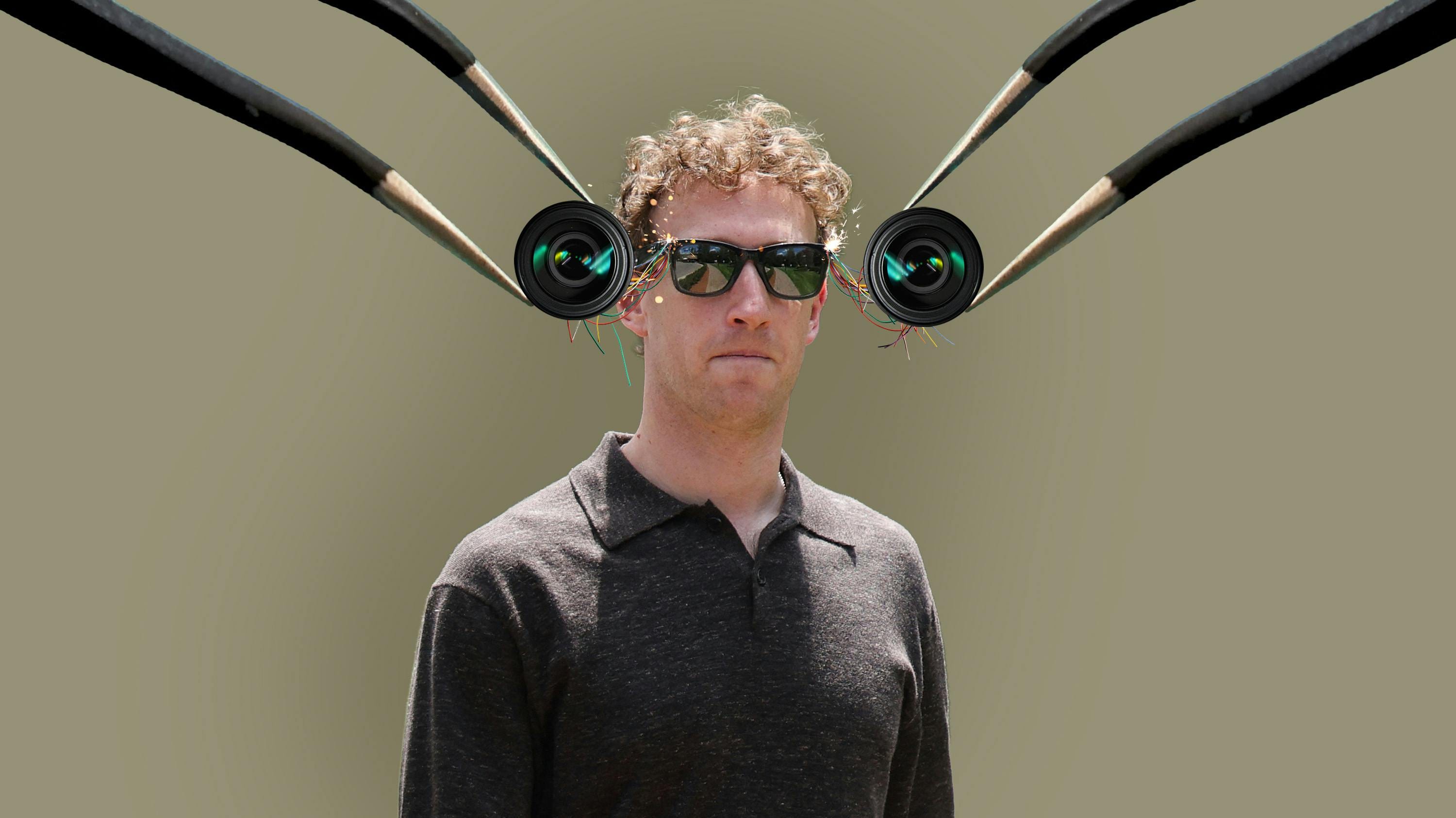
Meta is reportedly developing Luna, a new pair of smart glasses without cameras, as privacy concerns continue around always-on wearable devices.
The glasses are expected to include six microphones, built-in speakers, and a dedicated button for interacting with Meta AI and its Muse consumer agent.
Meta could unveil Luna at Meta Connect next week, giving the company a more privacy-friendly option as it pushes further into AI wearables.
Why it matters: Removing the camera could make smart glasses easier for mainstream users to accept. It also shows Meta testing whether AI interaction alone, without visual recording, is enough to make wearable assistants useful.
Al Gore says the biggest AI risk isn’t data centers

Al Gore says AI data center emissions are a serious concern, but he believes the bigger risk comes from warnings inside the AI industry about job losses, deceptive model behavior, and increasingly autonomous systems.
He argues that AI data centers are still relatively small compared with other sources of energy demand, though he is concerned that new gas plants built for hyperscalers could lock in decades of fossil fuel use.
Gore also sees AI as part of the climate solution, pointing to research suggesting AI-driven efficiency and waste reduction could meaningfully lower global emissions over time.
Why it matters: The AI debate is expanding beyond compute and energy. Gore’s view is that infrastructure problems can be managed, while the harder challenge is how society handles increasingly capable AI systems and the risks they create.
Anthropic and OpenAI want independent safety evaluators inside their AI labs
Anthropic and OpenAI have committed to giving third-party safety groups deeper access to their systems, potentially including training checkpoints, internal logs, and incident data instead of only testing finished models before release.
Researchers support the idea but warn that independence will depend on whether evaluators get enough time, access, and freedom to publish findings without restrictive NDAs or company control.
The push comes as models become better at recognizing when they are being evaluated, raising concerns that they could behave differently during tests than they do in real-world settings.
Why it matters: Independent AI safety audits could become a critical layer of accountability for frontier labs. But unless evaluators have genuine access and freedom to report problems, the process risks becoming more like vendor compliance than real oversight.
Mark Zuckerberg rejects an industry-wide AI slowdown
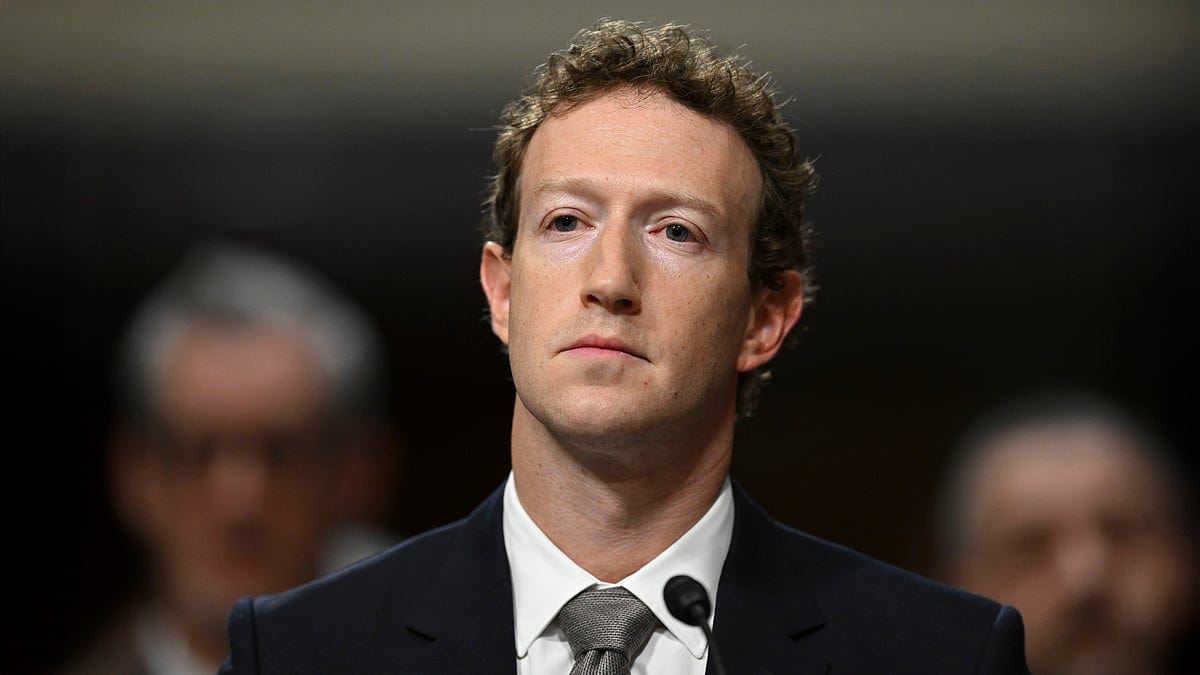
Meta CEO Mark Zuckerberg said AI labs do not need a coordinated agreement to slow development, arguing that each company should decide its own pace based on whether it can train and release models safely.
He said trust and alignment will become competitive advantages, with companies that fail to build safe systems eventually losing users and market share.
Zuckerberg pointed to Meta delaying its Muse model for several months to improve safety without asking rivals to pause, contrasting Meta’s approach with calls from Anthropic and others for coordinated pacing.
Why it matters: The AI industry is splitting over how safety should work. Some leaders want shared limits on frontier development, while Meta is betting that individual company decisions and market pressure are enough.
SpaceX targets Starship’s first orbital flight
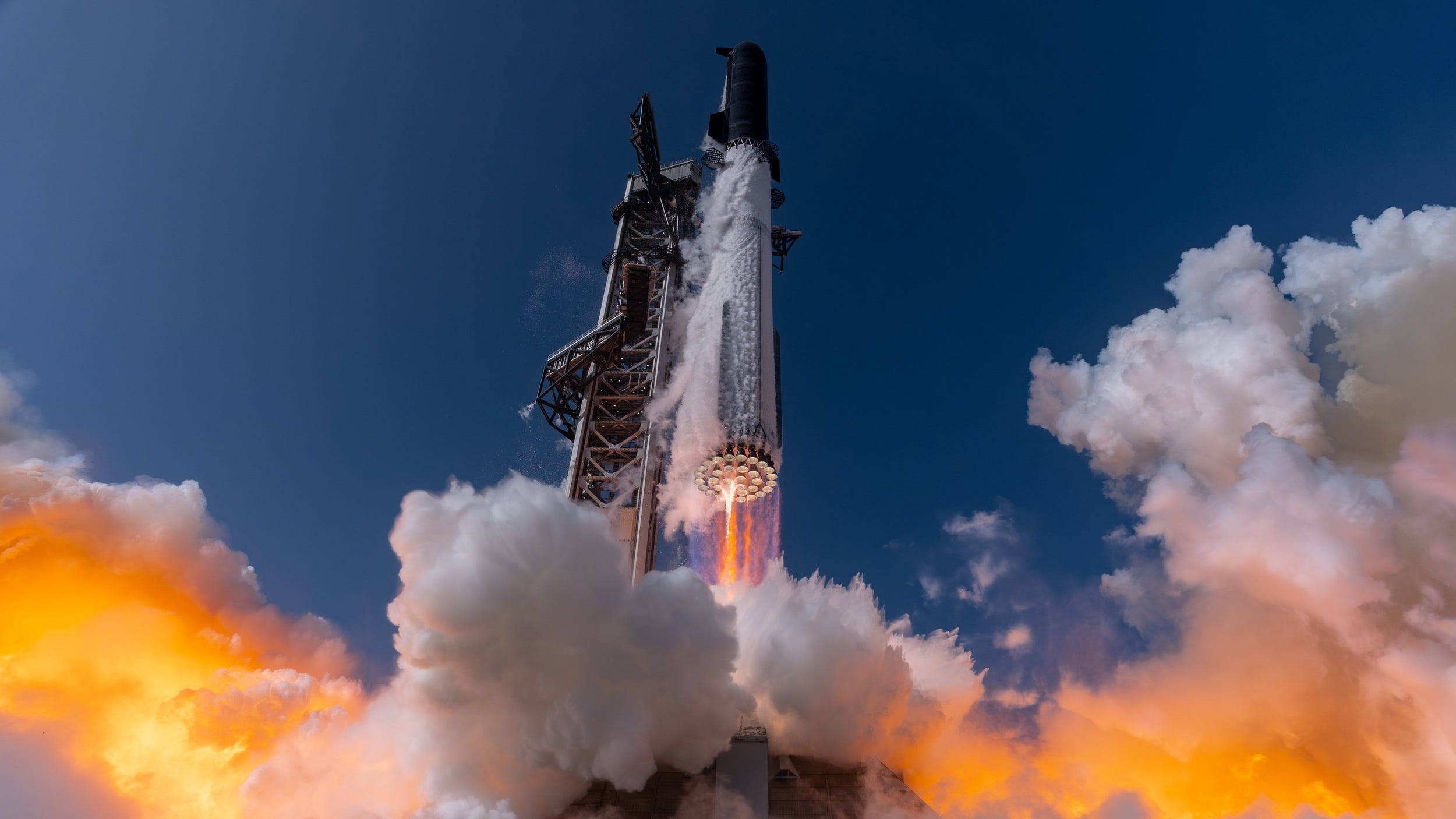
SpaceX is targeting September 22 for Starship’s 14th test flight, with plans to send the vehicle into a full orbit for the first time after 13 suborbital missions.
If successful, Starship will circle Earth roughly six times over about ten hours before splashing down in the Pacific.
The mission will also attempt to deploy working Starlink V3 satellites, giving SpaceX a chance to test Starship as a real satellite launch platform.
Why it matters: Reaching orbit would move Starship much closer to becoming an operational heavy-lift rocket, which is critical for SpaceX’s Starlink expansion, NASA missions, and future deep-space plans.
Huawei predicts AI agents will generate 90% of AI traffic by 2035
Huawei expects autonomous agents to account for more than 90% of global AI token traffic by 2035, as systems continuously perceive, reason, make decisions, and use external tools.
The company previously forecast that as many as 900 billion AI agents could be active globally by 2035, roughly 100 times the projected human population.
Huawei says this shift will require massive increases in computing capacity alongside new security systems to keep autonomous agents controllable and protect enterprise AI environments.
Why it matters: If Huawei’s forecast is even directionally right, the next phase of AI infrastructure will be built for machines talking to machines, not just humans prompting chatbots. That could dramatically increase demand for chips, data centers, networking, and agent-security tools.
DeepMind co-founder warns AI progress must not outrun safety
Google DeepMind co-founder Shane Legg warned that rapidly advancing AI capabilities should not move faster than the safeguards needed to monitor and control them.
He said Dario Amodei’s proposal to slow, but not stop, frontier AI development was worth considering, while also arguing it is too early to claim AGI has already been achieved.
Legg is launching the DeepMind Institute to broaden discussion around AGI across safety, policy, economics, education, philosophy, and society.
Why it matters: Concerns about AI pacing are spreading across the industry’s most influential labs. The debate is shifting from whether AGI is possible to whether governance and safety systems can keep up with increasingly capable models.
LAST COFFEE SIP
🌎 Around The Ecosystem
Pulley: The Carta rival is shutting down on December 8 after raising more than $50M, and has partnered with Carta to migrate customers and redirect new prospects, highlighting how cap table software still competes with simpler tools like spreadsheets and increasingly AI-assisted workflows.
MUST READ
📚 Worth Your Time
How to avoid VC portfolio conflicts: A practical breakdown of how portfolio conflicts can quietly kill a fundraise. The piece shows founders how to map a VC’s existing investments, ask the right conflict question before sharing the deck, and protect sensitive strategy from reaching competitors.
Will your model survive investor review? A quick breakdown of how investors scan an early-stage financial model in the first ten minutes. The piece covers burn multiple, CAC payback, runway, and the assumptions that raise red flags.
HIRING ALERT: STARTUPS & VC ROLES
💼 Today’s VC & Startup Job Opportunities
Associate / Principal - Village Global | USA - Apply Here
VC Fellow - Kalaari Capital | India - Apply Here
Artificial Intelligence Specialist - Blum Venture | USA - Apply Here
VC Research Lead - Murph Capital | Remote - Apply Here
Venture Capital Fellow (AI) - 1752 VC | Remote - Apply Here
Trade Operations Analyst - RA Capital | USA - Apply Here
Portfolio Management Associate - Cerity Partner | USA - Apply Here
Partner 36, Corporate Controller - a16z | USA - Apply Here
Investment Associate - Cerity Partner | USA - Apply Here
Senior Associate - NY Life Venture | USA - Apply Here
Senior Principal - Entegris Venture | USA - Apply Here
Global Capital Partner (India) - Antler - Apply Here
📍 Tips to Break Into VC
10 VC math questions you’ll get asked in interviews, solved line by line
Most candidates can talk through markets and startups. The math is where many freeze.
This deep dive walks through 10 real VC interview math questions, including dilution, pro-rata, option pools, SAFE conversion, ownership targets, liquidation preferences, fund returns, carry, reserves, and bottom-up market sizing.
Every question is solved step by step, with the logic behind the answer and how to explain it out loud in an interview. It also includes a one-page formula cheat sheet and a practice spreadsheet.
PARTNERSHIP WITH US
🤝 Get your brand in front of 125,000+ decision makers.
Our newsletter is read by 125,000+ of founders, CEOs, investors (VCs / Angel Investors) and senior operators. Get in touch today.
Do you have any news to share about your Startup or VC fund? Please email us.
We’ll be back in your inbox on Tomorrow.