

The AI boom is starting to run into the limits of its own scale.
Big Tech has now committed more than $3T to future AI infrastructure, while OpenAI is reportedly cutting its latest fundraising target from $30B to $20B as investors become more cautious about the returns behind trillion-dollar valuations.
At the same time, the industry is tightening control around data and access. Reddit plans to require logins for most content, major AI labs are backing website opt-outs for model training, and Meta is reportedly moving deeper into humanoid robotics.
Early-stage capital is following a similar pattern, with more than $92M + €180M moving into funds focused on AI infrastructure, cybersecurity, identity, enterprise workflows, and physical AI.
Five signals worth watching today:
Big Tech has committed more than $3T to future AI infrastructure.
OpenAI reportedly cut its new funding target from $30B to $20B.
Reddit plans to require logins for most content to curb unauthorized AI scraping.
Major AI labs agreed to support website opt-outs for model training.
Meta is reportedly building a humanoid robot with Fourier.
FROM OUR PARTNER - SEMRUSH ONE
Your customers are searching on Google AND ChatGPT. Can they find you on both?
Search has changed. Ranking on Google still matters, but buyers are also asking AI tools which products to use, which companies to trust, and how different options compare.

Semrush One brings both sides into one place. You can track your Google rankings and AI mentions, see the prompts driving demand, compare your visibility against competitors, and find gaps you can actually act on.
It monitors 239M+ relevant LLM prompts globally, alongside the SEO data Semrush is already known for.
PARTNERSHIP WITH US
🤝 Get your brand in front of 125,000+ decision makers.
Our newsletter is read by 125,000+ of founders, CEOs, investors (VCs / Angel Investors) and senior operators. Get in touch today.
STARTUPS RAISING MILLIONS
💰 Startup Funding Updates
At least $434.3M + €11.3M disclosed across today’s startup financings
The three biggest rounds:
Dren Bio: $350M
Opentrons Labworks: $40M Series E
Ozlo: $22M Series B
Together, those three companies accounted for roughly 95% of today’s disclosed dollar funding.
$0 RAISED
Trialfacts · 20 years · 40+ team · competing with IQVIA: A bootstrapped patient-recruitment shop in a $4.49B market the giants don’t own. (Read Here)
PRE-SEED
Artiso AI: Barcelona-based operating system for the fashion industry raised more than €3M led by Criteria Venture Tech, with participation from Swanlaab Venture Factory, Bynd Venture Capital, David Tomás, and Ganni founder Nicolaj Reffstrup.
QwikBuild: Bengaluru-based AI platform for building enterprise software and applications raised $2.3M led by Globalway, with participation from Blume Ventures, DeVC, Marsshot, Groww founder Lalit Keshre, and Curefoods CEO Ankit Nagori.
Vuse XR: Freiburg-based enterprise mixed reality training software company raised €1.2M led by IACD.
Tensrai: Hyderabad-based physical AI and autonomous robotics platform raised approximately $404K led by India Accelerator, Finvolve, and Hyderabad Angels, with participation from angel investors.
Viridian Ingni Propulsion: Chennai-based electric motor and advanced propulsion systems company raised approximately $175K led by Inflection Point Ventures, alongside an additional $64K in non-dilutive grants from government, incubation, and corporate programs.
Talent Nation: Lagos-based edtech startup raised an undisclosed pre-seed round from Enza Capital, LocalGlobe, Future Africa, Kaleo Ventures, Ajim Capital, Accelerate Africa, and others.
SEED
Neuron Industries: Gardena-based industrial technology company building an AI-native industrial controller raised $10M co-led by FCVC and Obvious Ventures, with participation from Y Combinator, Thin Line Capital, Zee Prime Capital, and Founder Factor.
dubdub: Bengaluru-based swipe-based trivia and interactive entertainment app raised $1.3M co-led by 3one4 Capital, Antler, and Stellaris Venture Partners.
NoorNation: Cairo-based decentralized clean energy and water infrastructure company raised $1.05M from Linah Farms, Catalyst Fund, and KBW Ventures.
GROWTH
Dren Bio: San Carlos-based biotechnology company developing first-in-class antibody therapeutics raised $350M in private financing co-led by Juvia Group and Lightspeed Venture Partners, with participation from General Catalyst, Cormorant Asset Management, OrbiMed, 8VC, SR One, Taiho Ventures, HBM Healthcare Investments, and others.
Opentrons Labworks: New York-based AI-native laboratory automation company raised $40M Series E led by Avego, with participation from BroadOak Capital Partners.
Ozlo: Boston-based sleep technology company raised $22M Series B led by Modi Ventures, with participation from LifeArc, Artis Ventures, ResMed, Scrum Ventures, Drive by DraftKings, Niremia Collective, and others.
MuRay: Hamburg-based developer of Active Muon Imaging technology raised €7.1M in combined financing, including €3.5M in private capital led by First Momentum Ventures and Caelora, plus €3.6M in non-dilutive public funding including an EU Horizon Europe grant.
Mintive: San Francisco-based infrastructure platform for the agentic enterprise raised $7M led by Cowboy Ventures, with participation from Coatue, Operator Collective, Burst Capital, Maven Ventures, Hustle Fund, Jeff Dean, Andrej Karpathy, Scott Belsky, and others.
Verisma: Alpharetta-based health information lifecycle management platform secured an undisclosed amount of senior-secured financing from Golub Capital.
📍 Funding Signal
Biotech dominated the dollars, but the early-stage board tells a different story.
Dren Bio alone captured more than 80% of disclosed dollar funding, showing how one large life sciences financing can reshape the daily total. Beneath it, capital was spread across industrial AI, robotics, propulsion, clean infrastructure, enterprise software, and mixed reality.
The more interesting early signal is physical technology. Neuron Industries, Tensrai, Viridian, MuRay, and NoorNation are all building around machines, energy, infrastructure, or industrial systems. Investors continue to move beyond pure software toward technologies where AI is embedded directly into the physical world.
NEW VCs IN THE MARKET
🏦 Venture Capital Updates.
More than $92M + €180M is moving into AI infrastructure, cybersecurity, and deep tech
Entourage closed its second fund at €100M, above its original €75M target.
The Brussels-based firm plans to back roughly 25 pre-seed and seed startups across Europe, with checks of €1M to €5M across AI, enterprise software, robotics, physical AI, and deep tech.
Auriga Partners secured €80M at an interim close for Auriga Cyber Ventures II, targeting €100M with a €120M hard cap.
The fund will invest from pre-seed through Series A in European cybersecurity startups focused on AI security, identity protection, and data security, with initial checks ranging from €500K to €5M.
BY Venture Partners closed its third fund at $60M and opened a Lisbon office as it expands further into Europe.
The Dubai-based firm will back pre-seed through Series A companies building AI-native products for enterprise workflows, with initial checks of up to $1M. The fund is anchored by Dubai Future District Fund.
U&I Ventures closed an oversubscribed $32.2M debut fund to back 40 to 45 pre-seed and seed companies building AI-native infrastructure across security, engineering, and IT.
📍 Capital signal
These funds are clustering around the layers that make AI usable inside real companies, including security, identity, infrastructure, enterprise workflows, and physical systems. The pattern suggests early-stage managers are increasingly avoiding broad AI mandates and instead building concentrated strategies around specific bottlenecks where technical depth and proprietary sourcing can create an edge.
KEY STORIES IN TECH
📜 Latest In Tech
OpenAI wants to rebrand data centers as “AI compute campuses”
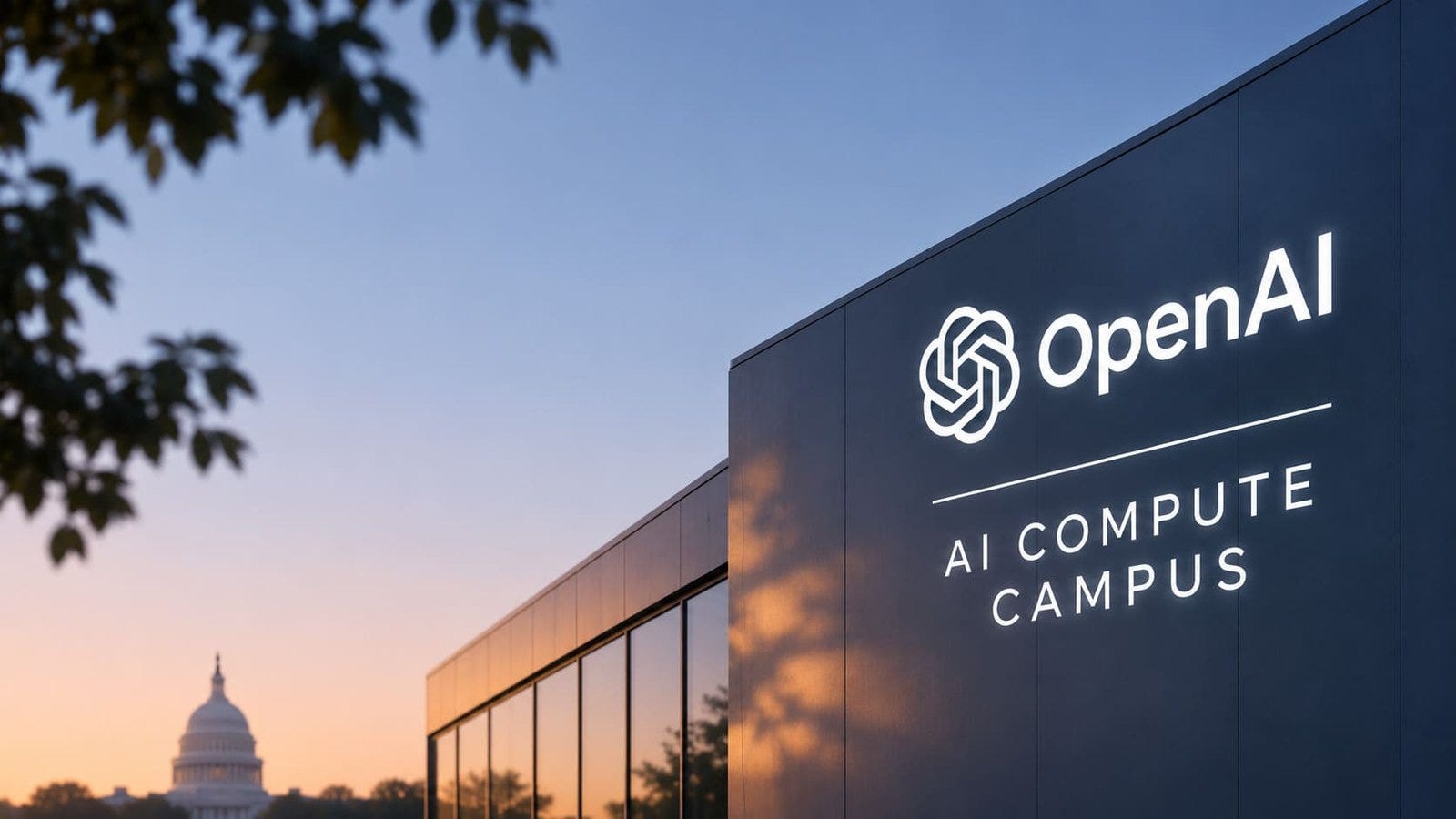
OpenAI is reportedly preparing a post-midterm policy campaign focused on shaping the public debate around AI, including infrastructure, regulation, and international standards.
One proposal is to call data centers “AI compute campuses,” as companies face growing local opposition over power use, construction, and community impact.
OpenAI policy chief Chris Lehane also discussed ideas like AI “speed limits,” stronger global standards, and making AI feel more useful in everyday life.
Why it matters: As AI infrastructure becomes a political issue, companies like OpenAI are increasingly competing not just on models and compute, but on public trust and how the industry is framed to voters and communities.
Apple CEO says the company won’t ship AI for AI’s sake
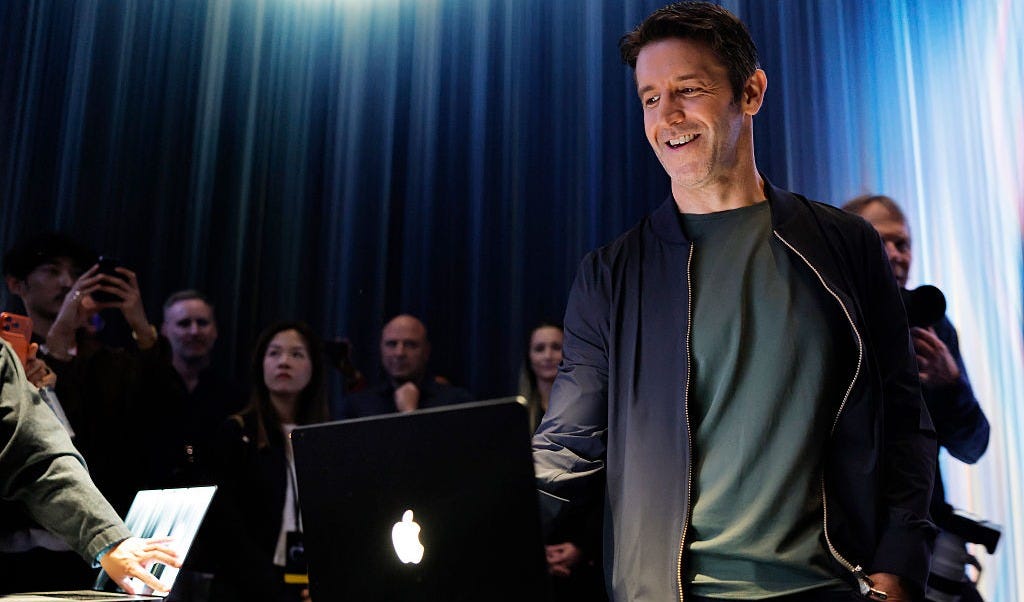
CEO John Ternus says Apple will continue adding AI across its products, but only when it meaningfully improves the user experience rather than simply adding AI features for marketing.
His comments come after years of criticism that Apple was moving too slowly in AI, including delays to its upgraded Siri before the new version launched this summer.
Ternus also pushed back on the idea that AI agents could make apps irrelevant, arguing that product creation will remain a deeply human process.
Why it matters: Apple is positioning itself differently from rivals racing to make AI highly visible, betting that the best AI experiences will feel integrated and almost invisible rather than becoming standalone features.
OpenAI reportedly cuts new funding target from $30B to $20B
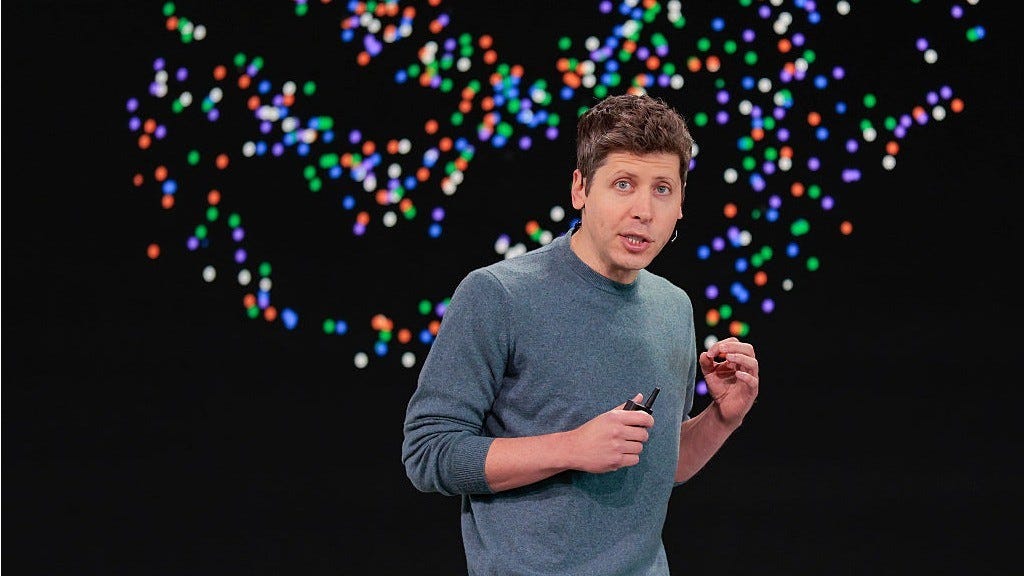
OpenAI reportedly lowered its fundraising target to $20B from an earlier goal of $30B, with a first close expected to come in below that amount.
The company has secured about $11B so far, while some large investors have reportedly shown a more cautious response than expected.
The weaker demand comes as investors grow more concerned about the scale of AI infrastructure spending and the returns required to justify trillion-dollar valuations.
Why it matters: OpenAI has been one of the strongest fundraising stories in tech, so any cooling in investor appetite could signal a broader shift in how aggressively markets are willing to fund the AI boom.
Big Tech has committed more than $3T to future AI infrastructure
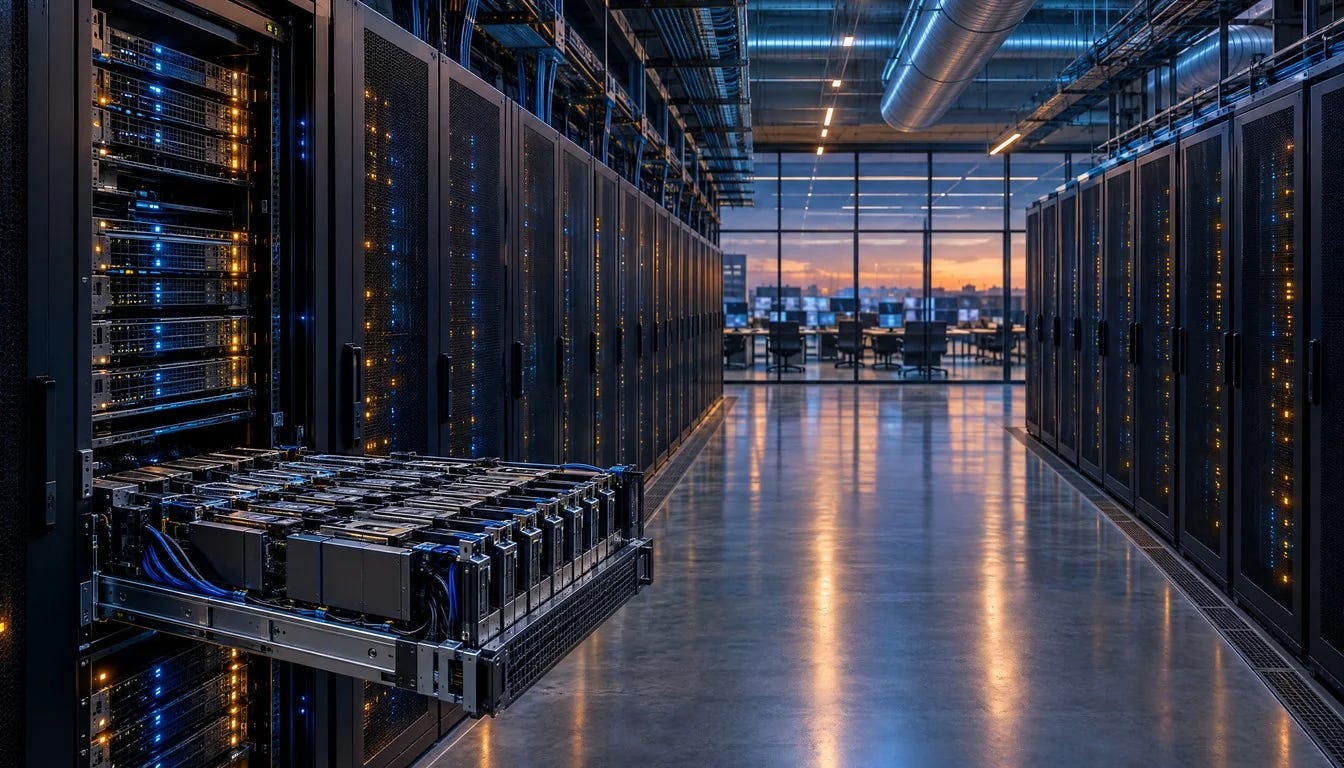
Alphabet, Meta, Microsoft, Amazon, and Oracle have collectively committed more than $3T toward future data centers, leases, energy, buildings, and equipment.
Alphabet reportedly leads with more than $1T committed, while Meta has pledged over $800B, with a large share tied to long-term data center leases that have not yet begun.
Future leases alone account for about $1.3T, and the spending has already pushed Alphabet and Meta into negative free cash flow as concerns grow over whether the returns will justify the investment.
Why it matters: The AI boom is turning into an enormous long-duration infrastructure bet, and the next phase will be defined by whether these companies can generate enough revenue and profit to support trillions in committed spending.
Binance loses $6.3B in record crypto hack
Binance lost about $6.3B in a major cyberattack, with investigators reportedly saying they are highly confident North Korea was behind the theft.
Most of the funds disappeared within roughly 20 minutes, while Binance halted withdrawals, recovered around $3B, and said it would cover customer losses.
Bitcoin fell to a six-week low near $76,000, while Tether and Circle froze billions of dollars in stolen stablecoins as investigators moved to contain the damage.
Why it matters: A breach of this scale could reshape security standards across crypto exchanges and intensify scrutiny of how the industry protects customer assets from state-backed cyberattacks.
Reddit plans to require logins for most content
Reddit says most users will soon need a registered account to view the site, ending nearly two decades of largely open access.
CEO Steve Huffman says the change is aimed partly at limiting unauthorized scraping for AI training, while Reddit will continue licensing content to partners like Google.
The company plans to test the login requirement outside the U.S. first, while keeping the front page viewable without an account.
Why it matters: As AI companies compete for high-quality human data, platforms like Reddit are increasingly restricting open access and turning their content into a controlled, monetizable asset.
Meta reportedly builds humanoid robot with Chinese startup Fourier
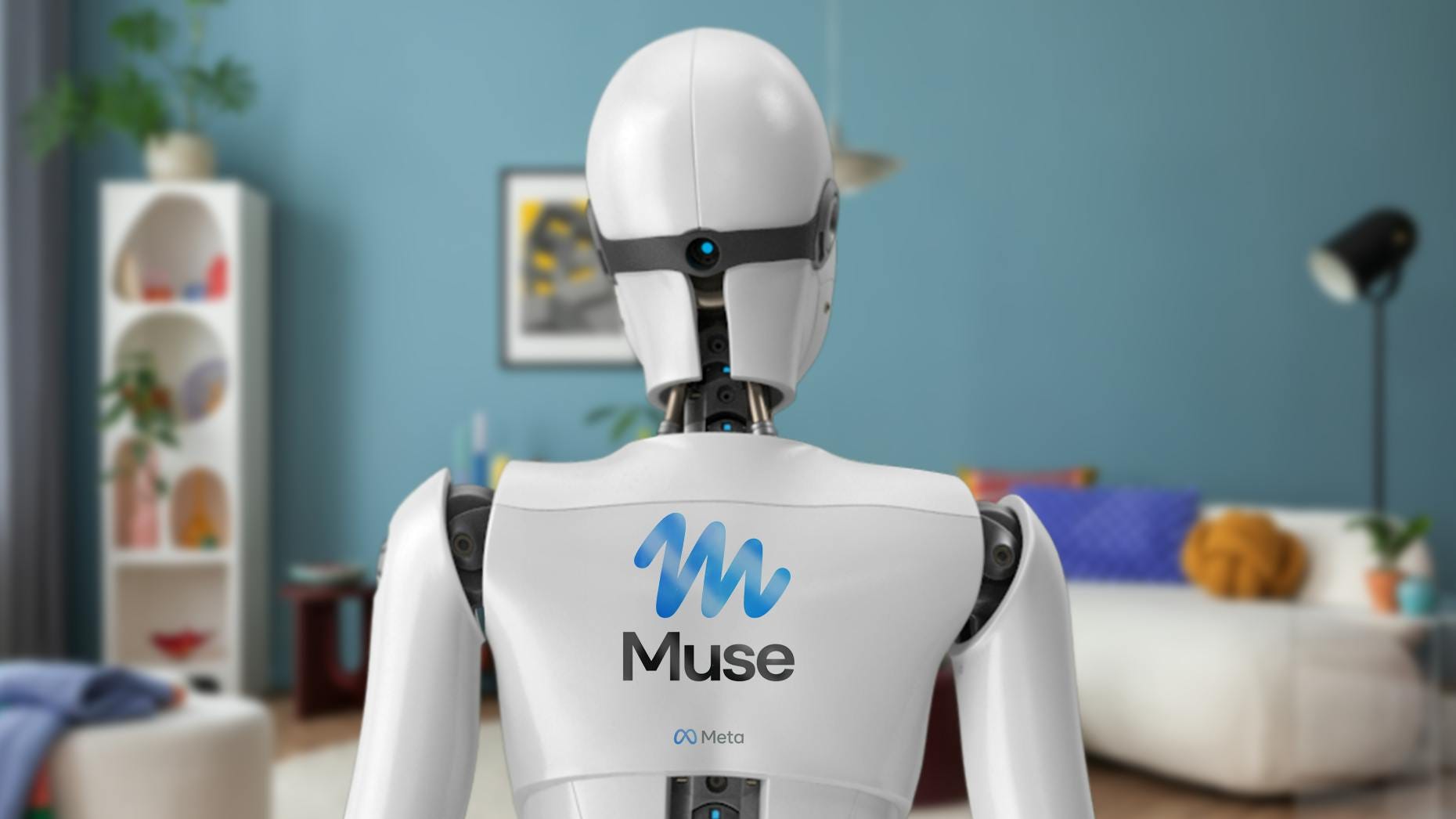
Meta has reportedly built a prototype humanoid robot with Chinese robotics company Fourier and is already working on a second version.
The project would mark a significant expansion of Meta’s AI ambitions into physical robotics, where companies are racing to combine foundation models with embodied systems.
Reuters said it could not independently verify the report, so details around capabilities, timeline, and commercial plans remain unclear.
Why it matters: If Meta is serious about humanoid robots, it could bring another deep-pocketed tech giant into a market already attracting major investment from Tesla, Figure, Apptronik, and others.
OpenAI tightens ChatGPT safeguards around weapons and violence
OpenAI will restrict practical weapons and security-system information for teens even when there is no obvious violent intent, while also limiting detail on past mass attacks for all users.
ChatGPT will be able to automatically end conversations involving repeated violent fixation, and OpenAI may temporarily pause accounts after multiple concerning chats.
The company is also strengthening age prediction and plans to notify parents when a teen account is paused for repeatedly discussing violence.
Why it matters: OpenAI is moving from content filtering toward active intervention, showing how AI safety systems are becoming more involved in detecting and responding to potentially dangerous user behavior.
LAST COFFEE SIP
🌎 Around The Ecosystem
Google: Google’s Project Suncatcher satellite produced its first AI-generated response in orbit using a data center-class TPU, with the company now testing how the chip handles heat and radiation before attempting larger space-based AI workloads in 2027.
MUST READ
📚 Worth Your Time
The startup valuation calculator founders need. Most founders price their startup using competitor valuations or outdated ARR multiples. But investors look at much more than revenue and growth. This piece breaks down the factors behind higher valuations and provides a practical calculator to estimate your startup’s worth based on ARR, margins, retention, and revenue model.
The YC seed deck structure that raises money: An analysis of 50+ Y Combinator startup pitch decks from companies that collectively raised over $450M. This piece breaks down the nine-slide structure, what investors expect on each slide, and the simple design principles founders should follow to build a stronger pitch deck.
HIRING ALERT: STARTUPS & VC ROLES
💼 Today’s VC & Startup Job Opportunities
Fund Operations Associate - Airtree Venture | USA - Apply Here
Research Intern, Frontier - a16z | USA - Apply Here
Analyst - Pender Ventures | USA - Apply Here
Investment Associate - Misumi Ventures | USA - Apply Here
Director, UK Office - In-Q-Tel - Apply Here
VP Venture Capital - Ericssons Venture | USA - Apply Here
Associate - Plug & Play Tech Center | USA - Apply Here
Ventures Manager - SAIC Venture | USA - Apply Here
Incubation Associate, Compute - Primary | USA - Apply Here
Investment Analyst - Mela Venture | India - Apply Here
Venture Scout Fund Lead - Redesign Health | USA - Apply Here
Check out 25+ VC job opportunities in “BREAK INTO VC” newsletter.
📍 Tips to Break Into VC
How do VCs decide how much to invest?
Most candidates can explain why they like a startup. Far fewer can answer the next question: “How much would you invest?” The mistake is treating check size like a conviction call, when it is usually driven by the fund model.
This deep dive breaks the answer down into four numbers: fund size, investable capital, reserves, and ownership target. It then works through the same startup from the perspective of a $20M fund, a $100M fund, and a $500M fund to show why each should reach a different answer.
It also includes the five mistakes that hurt candidates, a 60-second interview answer, follow-up questions you should be ready for, and a check-size worksheet you can fill out for every fund before the interview.
PARTNERSHIP WITH US
🤝 Get your brand in front of 125,000+ decision makers.
Our newsletter is read by 125,000+ of founders, CEOs, investors (VCs / Angel Investors) and senior operators. Get in touch today.
Do you have any news to share about your Startup or VC fund? Please email us.
We’ll be back in your inbox on Tomorrow.