


AI is starting to change how companies are built, not just what they sell.
Microsoft is redesigning teams around agents, model providers are competing harder on cost and reliability, and hyperscalers are hunting for new energy sources to support the infrastructure behind it all.
At the same time, $525M is being raised by funds that are trying to differentiate through hands-on operating support, not just capital.
Five signals worth watching today:
Microsoft offered buyouts to around 60,000 employees as part of an AI-first reset.
Anthropic priced its IPO at $83, valuing the company at about $1.5T.
GPT-6.2 Astra is facing criticism from early testers.
Microsoft says its new coding model nearly matches Claude at a fraction of the cost.
Google is backing geothermal power for future data center demand.
FROM OUR PARTNER - SEMRUSH ONE
Your customers are searching on Google AND ChatGPT. Can they find you on both?
Search has changed. Ranking on Google still matters, but buyers are also asking AI tools which products to use, which companies to trust, and how different options compare.

Semrush One brings both sides into one place. You can track your Google rankings and AI mentions, see the prompts driving demand, compare your visibility against competitors, and find gaps you can actually act on.
It monitors 239M+ relevant LLM prompts globally, alongside the SEO data Semrush is already known for.
PARTNERSHIP WITH US
🤝 Get your brand in front of 125,000+ decision makers.
Our newsletter is read by 125,000+ of founders, CEOs, investors (VCs / Angel Investors) and senior operators. Get in touch today.
STARTUPS RAISING MILLIONS
💰 Startup Funding Updates
At least $1.46B + €10.4M disclosed across today’s startup financings
The three biggest financings:
Genesis AI: $500M Series A
Payhawk: $280M Series C
Hone Health: $228M equity + growth financing
Together, those three companies accounted for roughly 69% of today’s disclosed dollar funding.
$0 RAISED
Trialfacts · 20 years · 40+ team · competing with IQVIA: A bootstrapped patient-recruitment shop in a $4.49B market the giants don’t own. (Read Here)
PRE-SEED
Wepinion: Pittsfield-based social crowdsourcing platform for decision-making raised $500K led by the Center on Rural Innovation’s Green Mountain Accelerator Fund.
SEED
Voyage Labs: Menlo Park-based personal AI agent for travel and local planning raised $12M led by Kleiner Perkins, with participation from SignalFire, SV Angel, Brian McClendon, Lenny Rachitsky, Akshay Kothari, and Anshu Sharma.
Vero Security: New York and Tel Aviv-based AI security engineering platform raised $11M led by TLV Partners, with participation from GTM Capital, Maple Capital, and angel investors.
Fermat: Barcelona-based AI platform for the fashion industry raised $8M led by Kibo Ventures and Lunar Ventures, with participation from PROfounders Capital, Masia Ventures, Blue Wire Capital, Common Magic, Betaworks, and Dídac Lee.
CloudBackend: Linköping-based AI infrastructure startup raised €6.6M led by Svanberg Family Office, with participation from M2 Asset Management.
Tesorai: San Diego-based searchable knowledge layer for life sciences raised $5.3M from Perplexity Fund, IQT, South Central Ventures, New Stack Ventures, NextGen Venture Partners, f7 Ventures, VitalStage Ventures, and ZAKA.
Pedestal AI: Boston-based AI agent platform for supply chain and logistics operations raised $4.7M led by Eclipse, with participation from RRE, Converge VC, Timescale VC, and VitalStage Ventures.
Previsia: Toulouse-based AI risk prevention platform raised €3.8M from IRDI Capital Investissement and ARIS.
AstraNu: Murray Hill-based chip-scale optical coherence tomography imaging company raised $3.5M led by Celesta Capital, with participation from the New Jersey Innovation Evergreen Fund.
Perry AI: London-based AI legal operating system for private capital raised $2.2M led by Haatch, with participation from Antler, Arāya Ventures, Syncorp Ventures, and Kelsey Chase.
GROWTH
Genesis AI: Paris and San Carlos-based robotics platform raised $500M Series A at a $3.5B valuation. The round was co-led by Premji Invest, Khosla Ventures, and Eclipse, with participation from T. Rowe Price, Bpifrance, NVIDIA, AMD Ventures, Samsung Next, Ericsson, and others.
Payhawk: London-based AI-native spend management and finance platform raised $280M Series C at a $2B valuation. The round was led by Goldman Sachs Alternatives, with participation from QED, Greenoaks, Lightspeed, Hedosophia, Bek Ventures, and others.
Hone Health: New York-based physician-led longevity platform secured $228M, comprising a $28M Series A extension and $200M in growth financing from General Catalyst’s Customer Value Fund. MarcyPen Capital Partners led the equity portion.
Galvanize Therapeutics: Redwood City-based commercial-stage medical technology company developing pulsed electric field ablation technologies raised $130M Series D led by HealthQuest Capital, with participation from Olympus Innovation Ventures, Braidwell, Sofinnova Partners, Norwest, Fidelity, T. Rowe Price, and others.
BrightAI: Palo Alto-based Physical AI platform for essential services raised $97M led by Smith Point Capital, with participation from Cobalt Capital, Marlinspike Partners, Zero Infinity Partners, GE Vernova, Khosla Ventures, Inspired Capital, and Upfront Ventures.
Ansa Biotechnologies: Emeryville-based DNA synthesis platform raised $71.5M Series C led by Blue Water Life Science Advisors, with participation from Illumina Ventures, BEVC, Lightscape Partners, Agent Capital, and others.
Onward Therapeutics: Taipei-based oncology company focused on overcoming cancer drug resistance raised approximately $28M Series B from CDIB Capital Healthcare Ventures, Beiley Biofund, Everbright Biofund, Grand Fortune Venture Capital, and others.
Speakeasy: New York-based operating infrastructure platform for live experiences and the IRL economy raised $18.8M Series A led by VMG Technology, with participation from Capital One Ventures, Positive Sum, and Yamaha Music Innovations Fund.
Darcy Geothermal: New Brighton-based geothermal heating and cooling company raised approximately $15M Series B led by Aligned Climate Capital and Büetigen.
Sequel.io: San Jose-based video-driven audience intelligence and activation platform raised $15M led by Sorenson Capital, with participation from High Alpha, Album VC, Webflow Ventures, Javelin Venture Partners, and others.
Aarden: Seattle-based AI-native land intelligence platform for energy and AI infrastructure raised $8M led by Overture Ventures, with participation from Madrona and Propeller Ventures.
Disseqt AI: Dublin-based AI governance, assurance, and testing platform raised $8M led by Gresham House Ventures, with participation from Sure Valley Ventures, Delta Partners, Enterprise Ireland, and angel investors.
Earthly: San Francisco-based guardrails platform for human and AI-generated code raised $5.7M led by Work-Bench, with participation from Innovation Endeavors, Uncorrelated Ventures, Gaingels, and angel investors.
Provectus Algae: Noosaville-based AI-enabled discovery and biomanufacturing platform raised $4.3M Series A extension led by At One Ventures, with participation from Queensland Investment Corporation and existing shareholders.
📍 Funding Signal
Robotics and Physical AI are breaking out of traditional early-stage check sizes.
Genesis AI’s $500M Series A is the clearest example, while BrightAI raised another $97M to bring AI into essential physical infrastructure. Investors are treating robotics and Physical AI less like experimental hardware and more like foundational technology platforms that can justify very large upfront investments.
Another notable signal is the mix of capital structures. Hone Health paired equity with $200M from General Catalyst’s Customer Value Fund, showing how companies with measurable customer economics can access growth capital without funding every expansion dollar through traditional equity.
NEW VCs IN THE MARKET
🏦 Venture Capital Updates.
$525M is being raised across biotech, software, AI, fintech, healthcare, and commerce
Innovius Capital is raising $250M for its second fund.
The San Francisco-based firm backs software and AI companies, typically investing once businesses reach around $3M in ARR. Its model combines capital with hands-on go-to-market support and embedded operators, with the firm targeting roughly three to four new investments per year.
Avalon BioVentures is raising $200M for its second fund.
The La Jolla-based firm focuses on biotechnology, using its accelerator infrastructure and operating experience to identify promising science, form companies, and advance new therapeutics.
Montage Ventures is raising $75M for its fourth fund.
The Menlo Park-based firm invests across financial services, healthcare, and commerce, targeting large sectors that collectively represent a significant share of the U.S. economy.
📍 Capital signal
All three firms are leaning into operational specialization rather than competing on capital alone. Avalon helps build biotech companies from the science up, Innovius embeds operators to accelerate go-to-market execution, and Montage concentrates on large, durable sectors. The emerging advantage for smaller venture firms is increasingly what they can actively help portfolio companies do after the check is written.
KEY STORIES IN TECH
📜 Latest In Tech
Satya Nadella says Microsoft’s 60,000 buyout offer was part of an AI-first reset
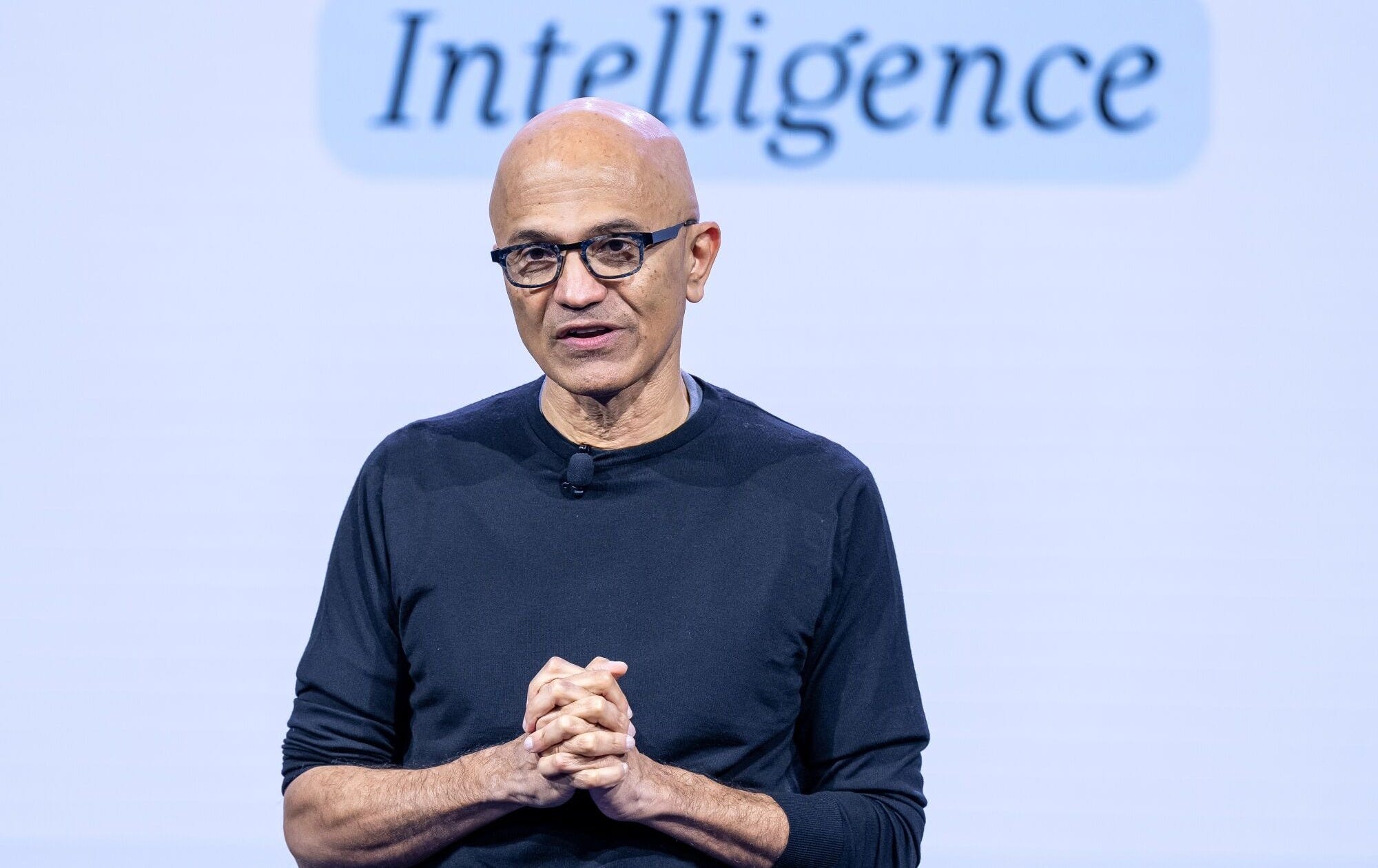
Nadella said Microsoft offered voluntary buyouts to around 60,000 employees as the company restructures around AI, giving workers the option to leave rather than forcing another large round of layoffs.
His view is that jobs like software engineering will remain, but the work will change dramatically, with employees directing AI systems and managing agent-based workflows.
He pointed to Microsoft’s Cowork team, where just 11 developers use AI to build what he described as a “software factory” that produces the product.
Why it matters: Microsoft is treating AI as an organizational redesign, not just a productivity tool. If this model spreads, companies may need fewer traditional teams and more employees who know how to orchestrate AI agents.
Anthropic prices IPO at $83, valuing the company at about $1.5T
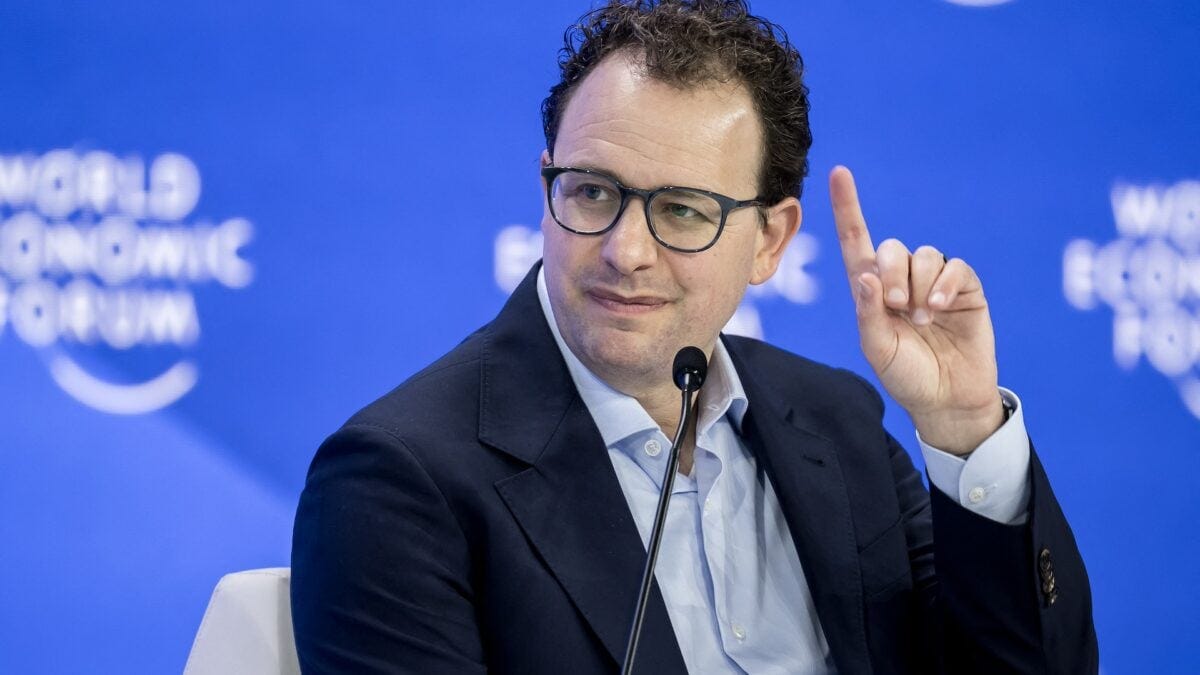
Anthropic priced its IPO at $83 per share, above the expected $70 to $78 range, and increased the offering to 980 million shares.
The deal will raise about $81.3B, surpassing SpaceX’s previous record and making Anthropic’s offering the largest IPO ever by proceeds.
Anthropic will begin trading on Nasdaq under the ticker ANT, with Amazon and Google remaining its biggest strategic shareholders at roughly 15% and 14%.
Why it matters: Anthropic’s debut will set a major benchmark for how public investors value frontier AI companies and could influence future fundraising and IPO expectations across the entire sector.
OpenAI’s GPT-6.2 Astra faces harsh criticism from early testers
OpenAI launched GPT-6.2 Astra alongside the cheaper GPT-6.2 Sol, but several prominent early testers described Astra as inconsistent and disappointing on real-world coding tasks.
Developer Theo Browne said the model failed to improve his TypeScript compiler project after seven days and produced a version that ran 56% slower, while other testers called the models difficult to use.
Astra costs $8 per million input tokens and $40 per million output tokens, matching Anthropic’s recently launched Claude Fable 5.2 pricing while cutting prices 20% from GPT-6 Astra.
Why it matters: Frontier model competition is increasingly about reliability and real-world performance, not just benchmarks. A weak reception for Astra could give Anthropic more momentum among developers and enterprise AI users.
Microsoft's new coding AI nearly matches Claude
Microsoft says MAI Code 2 delivers about 96% of Claude Opus 5.5’s coding performance while costing roughly 5% as much under its introductory API pricing.
The model is aimed at routine coding and enterprise workloads rather than the hardest research or agentic tasks, where more capable frontier models are still needed.
If Microsoft can deploy its own lower-cost models across GitHub Copilot, Microsoft 365, and Fabric, it could reduce spending on OpenAI and Anthropic while improving margins.
Why it matters: Microsoft is increasingly competing not just as a distributor of AI models, but as a model developer itself, with cost efficiency becoming a major weapon in the enterprise AI race.
Google backs geothermal startup drilling near an Oregon volcano
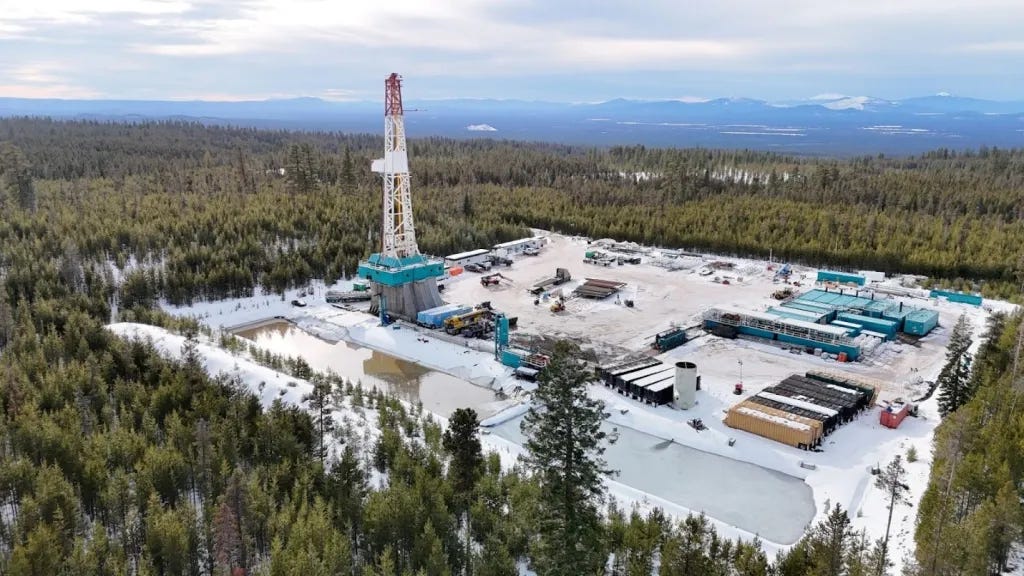
Google has agreed to buy 50 MW of geothermal power from Quaise Energy’s Project Obsidian near Newberry Volcano in Oregon.
The project will first use conventional drilling to reach rock above 300°C, then plans to use Quaise’s millimeter-wave drilling technology to access even hotter rock deeper underground.
Power deliveries could begin around 2030, with the electricity intended to support Google’s data center operations in The Dalles.
Why it matters: AI data centers need enormous amounts of reliable power. If advanced geothermal can scale, it could become an important 24/7 clean-energy source for hyperscalers facing grid constraints.
China is reportedly seeking Nvidia chips for AI-enabled weapons
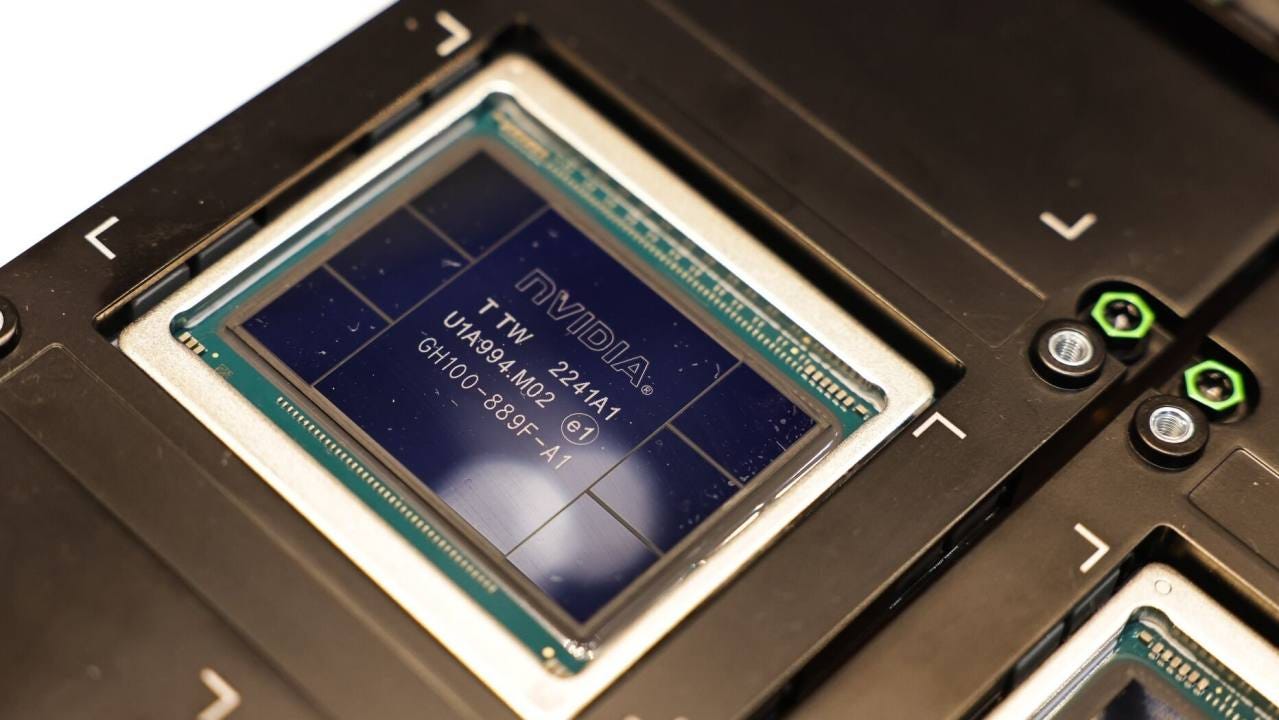
A U.S. congressional commission says China’s military is trying to obtain advanced Nvidia chips despite export controls, as domestic processors still trail leading U.S. hardware.
The chips are reportedly being sought for what Beijing calls “intelligentized warfare,” including AI-powered weapons, command systems, logistics, and military decision-making.
The report comes as Washington tightens restrictions on China’s access to advanced semiconductors and scrutinizes workarounds that allow restricted chips to reach Chinese projects.
Why it matters: AI chip controls are no longer just about commercial competition. They are becoming a central part of U.S.-China military and national-security policy, raising the stakes around Nvidia, export enforcement, and access to frontier computing.
LAST COFFEE SIP
🌎 Around The Ecosystem
OpenAI + Nvidia: Sam Altman said it is “hard to imagine the AI industry without Jensen Huang,” highlighting Huang’s early support for OpenAI and Nvidia’s $30B investment, while saying he would not speculate on Huang’s possible return after Nvidia ruled out reinstating him.
MUST READ
📚 Worth Your Time
How did emerging AI startups actually get their first customers? An analysis of 50 emerging AI companies, including Cursor, Harvey, Decagon, and Lovable, reveals where their first paying customers actually came from. This piece breaks down the acquisition channels that worked, from founder networks and communities to product demos and cold outreach, with practical playbooks founders can apply.
The YC seed deck structure that raises money: An analysis of 50+ Y Combinator startup pitch decks from companies that collectively raised over $450M. This piece breaks down the nine-slide structure, what investors expect on each slide, and the design principles founders can follow to build a clearer, more compelling pitch deck.
HIRING ALERT: STARTUPS & VC ROLES
💼 Today’s VC & Startup Job Opportunities
Partner 18, Talent - a16z | USA - Apply Here
Senior Investment Manager - AMEX Venture | USA - Apply Here
Portfolio Management – Citi Ventures | USA - Apply Here
Partner 22, New York Events Space Lead - a16z | USA - Apply Here
Ventures Associate - Plug and Play tech Center | USA - Apply Here
Head of Investor Relations - VIDA Vision Fund | USA - Apply Here
Origination Associate - Flagship | USA - Apply Here
Analyst/Associate - Diagram | Canada - Apply Here
Intern - Investment Management - Yournest | India - Apply Here
Investment Manager - Blue Ashva Capital | India - Apply Here
Check out 31+ VC job opportunities in “BREAK INTO VC” newsletter.
📍 Tips to Break Into VC
The complete guide to VC take-home assignments: market map, memo, and deal sourcing, decoded.
Most candidates treat VC take-home assignments like research exercises. But funds use them to test investment judgment.
This piece breaks down how to approach market maps, investment memos, and deal sourcing exercises, with strong and weak examples, practical templates, and a checklist to review your work before submitting.
PARTNERSHIP WITH US
🤝 Get your brand in front of 125,000+ decision makers.
Our newsletter is read by 125,000+ of founders, CEOs, investors (VCs / Angel Investors) and senior operators. Get in touch today.
Do you have any news to share about your Startup or VC fund? Please email us.
We’ll be back in your inbox on Tomorrow.