

The AI buildout is entering a more complicated phase.
Nvidia is dealing with a leadership shock, SoftBank just took a multibillion-dollar hit on an AI power bet, and legal pressure around frontier model development is starting to rise.
At the same time, nearly $5.1B + €80M is being raised across growth, physical AI, and climate-focused venture funds.
Five signals worth watching today:
Jensen Huang resigned as Nvidia CEO.
SoftBank took a multibillion-dollar hit on its AI power strategy.
OpenAI, Google, Anthropic and others were sued over frontier AI development.
Google launched Gemini Decision 1 for ultra-low-cost AI decisions.
Nearly $5.1B + €80M closed across new venture funds.
FROM OUR PARTNER - HUGO
Great support teams are even better with Hugo Copilot...
Great customer support takes more than quick replies.
Meet Hugo Copilot, your private AI assistant inside the Crisp Inbox.

It helps support and technical teams investigate complex issues, understand context, draft replies, summarize conversations, and prepare handovers.
That means less time searching for information, smoother collaboration, and more time solving
customer problems. Your team stays in control of every response.
Teams are already seeing productivity gains. Why not yours?
PARTNERSHIP WITH US
🤝 Get your brand in front of 125,000+ decision makers.
Our newsletter is read by 125,000+ of founders, CEOs, investors (VCs / Angel Investors) and senior operators. Get in touch today.
STARTUPS RAISING MILLIONS
💰 Startup Funding Updates
Approximately $1.38B disclosed across today’s startup financings
The three biggest rounds:
Uforce: $700M Series A
Imprint: $130M
Databento: $100M Series C
Together, those three companies accounted for roughly 67% of today’s disclosed funding.
$0 RAISED
Trialfacts · 20 years · 40+ team · competing with IQVIA: A bootstrapped patient-recruitment shop in a $4.49B market the giants don’t own. (Read Here)
PRE-SEED
Skribe Medical: San Francisco-based wearable cardiac monitoring company focused on cancer care raised $1.65M led by SeaX Ventures, with participation from GoAhead Ventures and Marin Sonoma Impact Ventures.
SEED
Mount Thor: San Francisco-based managed Apple cloud infrastructure platform for AI research and deployment raised $45M across Seed and Series A financing. CRV and Conviction co-led the Series A, while Chad Byers and Offline Ventures co-led the Seed round.
Mondrio: San Francisco and Amsterdam-based agentic B2B pricing management platform raised $3.75M led by Heartcore Capital, with participation from Pretiosum VC, Hersir Ventures, Cambrena Capital, Momo VC, and angel investors.
GROWTH
Uforce: London-based autonomous defense technology company raised $700M Series A at a $6B valuation. The round was co-led by Valor Equity Partners and the UK National Wealth Fund, with participation from the U.S.-Ukraine Reconstruction Investment Fund, Menlo Ventures, Xantium, Hiro Capital, Shield Capital, Ballistic Ventures, Lakestar, and others.
Imprint: New York-based payments, loyalty, and customer intelligence platform raised $130M at a $1.9B valuation. The round was led by Khosla Ventures, with participation from Hedosophia, Ribbit Capital, Spice, Thrive Capital, and Positive Sum.
Databento: Salt Lake City-based financial market data platform raised $100M Series C at a $1.1B valuation. The round was led by Fifth Down Capital, with participation from Fitch Ventures, NEA, DRW Venture Capital, Tribe Capital, and Hedosophia.
Rox: San Francisco-based AI revenue agent platform for Global 2000 companies raised $100M Series B at a $1.3B valuation. The round was co-led by General Catalyst and March Capital, with participation from Sequoia Capital, Factory, Databricks Ventures, and Prosperity7 Ventures.
Eli Radiopharma: Hangzhou-based radiopharmaceutical company raised nearly $60M Series A led by Huagai Capital, with Bayland Capital as co-lead and participation from Boyu Ventures, Delian Capital, InnoPinnacle Fund, and others.
Kindo: Venice-based enterprise AI agent management platform raised $30M co-led by Crosspoint Capital and Forgepoint Capital, with participation from TFX Capital, CircleRock Capital, Drive Capital, Riot Ventures, and others.
SE3: Munich-based spatial intelligence platform for autonomous systems raised $30M Series A led by Accel, with participation from Keen, Lakestar, and Seedcamp.
Coreshell Technologies: San Leandro-based battery technology company raised $30M Series B co-led by Ferroglobe and Access Industries, with participation from ADS, Helios Ventures, Pegasus Tech Ventures, Mana Ventures, and Entrada Ventures.
Hatz AI: New York-based AI operating system delivered to SMBs through managed service providers raised $24M Series A led by Nadia Partners, with participation from Vestigo Ventures and The Private Shares Fund.
Griffin: London-based embedded banking platform raised $20M Series B led by Octagon Partners, with participation from Notion Capital, A+ Ventures, Nordic Ninja, Breega, and existing investors.
XpertDox: Scottsdale-based AI-powered automated medical coding company raised $20M Series A led by Savant Growth, with funding from Kennet Partners.
Biomatter: Vilnius-based custom enzyme design company raised $18M Series A led by Astanor, with participation from UVC Partners, Inventure, and Metaplanet.
Duet: New York-based network supporting nurse practitioner-owned primary care practices raised $15M Series A led by Kairos, with participation from Lerer Hippeau.
Tristar AI: Cambridge-based real-time intelligence and AI vision platform for factory floors raised $12.4M Series A led by Isogon Ventures, with participation from Blackhorn Ventures, Capgemini’s ISAI Cap Venture, NextView Ventures, and others.
Axle: New York-based operating system for sell-side corporate access raised $9M led by Eniac Ventures and Bonfire Ventures, with participation from Teamworthy Ventures.
Qvyon Technologies: Montreal-based company building reality infrastructure for Physical AI emerged from stealth with $8M in total funding led by MaC Venture Capital, with participation from BDC Capital, BKR Capital, and Spotlight VP.
Athlete To Athlete: Santa Monica-based virtual mentorship platform connecting youth athletes with college athletes raised $8M Series A led by Rally Ventures, with participation from Newbound VC, Scrum Ventures, and UpHonest Capital.
Delphina: San Francisco-based AI analytics platform powered by autonomous business context agents raised $7.5M co-led by Radical Ventures and Costanoa, with participation from Tenacity Capital and angel investors including Fei-Fei Li and Guido Imbens.
Helix: Los Angeles-based voice-powered human verification platform raised $6.2M led by Chicago Ventures, with participation from BAM Ventures, Aglaé Ventures, Corazon Capital, Tusk Ventures, and others.
Araceli Biosciences: Tigard-based cellular imaging platform for drug discovery raised $4.5M from investors including Jeff Swickard.
Alma Mater Footwear: Los Angeles-based golf footwear brand received an undisclosed investment from BrknPar.
SkyDrive: Toyota-based eVTOL aircraft company raised an undisclosed round from Tobu Railway and Tobu Top Tours.
📍 Funding Signal
Defense and autonomous physical systems are commanding unusually large early-stage checks.
Uforce’s $700M Series A dominates today’s board, while SE3, Qvyon, Tristar AI, and Coreshell are also building technologies tied to autonomous systems, manufacturing, physical AI, or next-generation hardware. Investors are increasingly funding physical-world platforms at software-like speed, but with much larger capital requirements.
At the same time, Databento, Rox, Kindo, Hatz AI, and Mount Thor show strong demand for the infrastructure surrounding enterprise AI. The attractive layer is increasingly the system that controls data, agents, compute, or workflows, rather than another standalone AI application.
NEW VCs IN THE MARKET
🏦 Venture Capital Updates.
Nearly $5.1B + €80M closes across growth, physical AI, and climate-focused funds
Norwest raised a $4B eighteenth fund, its largest vehicle to date.
The firm will invest across the U.S., India, Israel, and other markets spanning consumer, healthcare, and technology, with growing exposure to AI-native applications and infrastructure, physical AI, voice AI, agentic cybersecurity, aerospace, and domain-specific models. Wells Fargo remains the firm’s sole LP.
Aldaron closed Fund I and affiliated co-investment vehicles with $951M in commitments. The core fund raised $884M, alongside $67M in co-investment capital tied to its first platform investment. LPs include endowments, foundations, pension plans, OCIOs, and family offices.
Zacua Ventures closed its second fund at $135M, 35% above target and more than twice the size of its debut fund.
The firm will back early-stage companies across construction, infrastructure, manufacturing, energy, mining, and housing, with a focus on physical AI, robotics, and alternative materials. Its LP base includes major industry players such as Volvo Group Venture Capital, Holcim Maqer Ventures, Hilti Venture, Trimble Ventures, Acciona, DPR Construction, and Mortenson.
Course Corrected closed its second climate fund at €80M to invest from pre-seed through Series A across Europe, targeting software, hardware, energy, resource efficiency, and industrial technologies.
📍 Capital signal
The investor base is becoming part of the strategy itself. Zacua has assembled industrial companies that can potentially provide customers, distribution, and technical expertise to portfolio startups, while Norwest’s single-LP structure gives it unusual fundraising stability and the ability to deploy across stages. For funds targeting physical industries, strategic access is increasingly as valuable as the capital.
KEY STORIES IN TECH
📜 Latest In Tech
Jensen Huang resigns as Nvidia CEO amid spy scandal
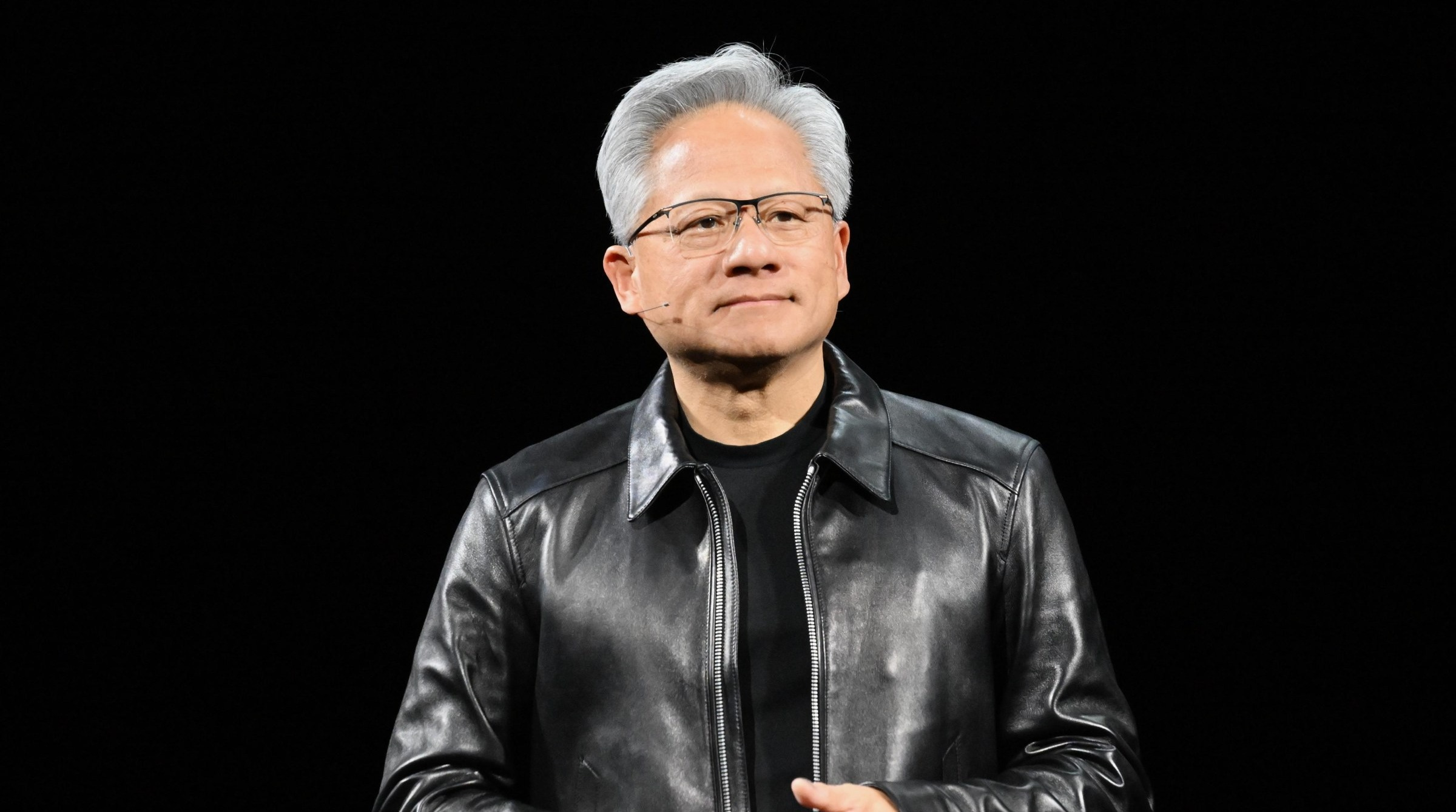
Jensen Huang has stepped down as Nvidia CEO, president, and board member after 33 years, following mounting scrutiny over his relationship with a woman U.S. authorities reportedly identified as a Chinese intelligence asset.
CFO Colette Kress will serve as interim CEO while keeping her finance role, and Nvidia’s board will consider both internal and external candidates for a permanent successor.
Huang’s exit comes as Nvidia faces questions around China, export controls, and its role in financing the wider AI ecosystem, with shares falling sharply after the announcement.
Google DeepMind launches AlphaGenome 2 for cell-specific genetic analysis

AlphaGenome 2 predicts how genetic variants affect specific human cell types, using more than 107 million cell profiles across 68 human and mouse tissues.
The model can estimate changes in gene activity, DNA packaging, and methylation for a selected cell state, making its predictions much more biologically specific.
On the TenK10K benchmark, it identified about 30% of causal variants, up from 16% previously, and reproduced a known inflammatory bowel disease mechanism involving ETS2.
Why it matters: AI is moving from identifying genetic associations to explaining how specific variants affect specific cells, which could make disease research and drug discovery far more precise.
SoftBank takes a multibillion-dollar hit on its AI power bet
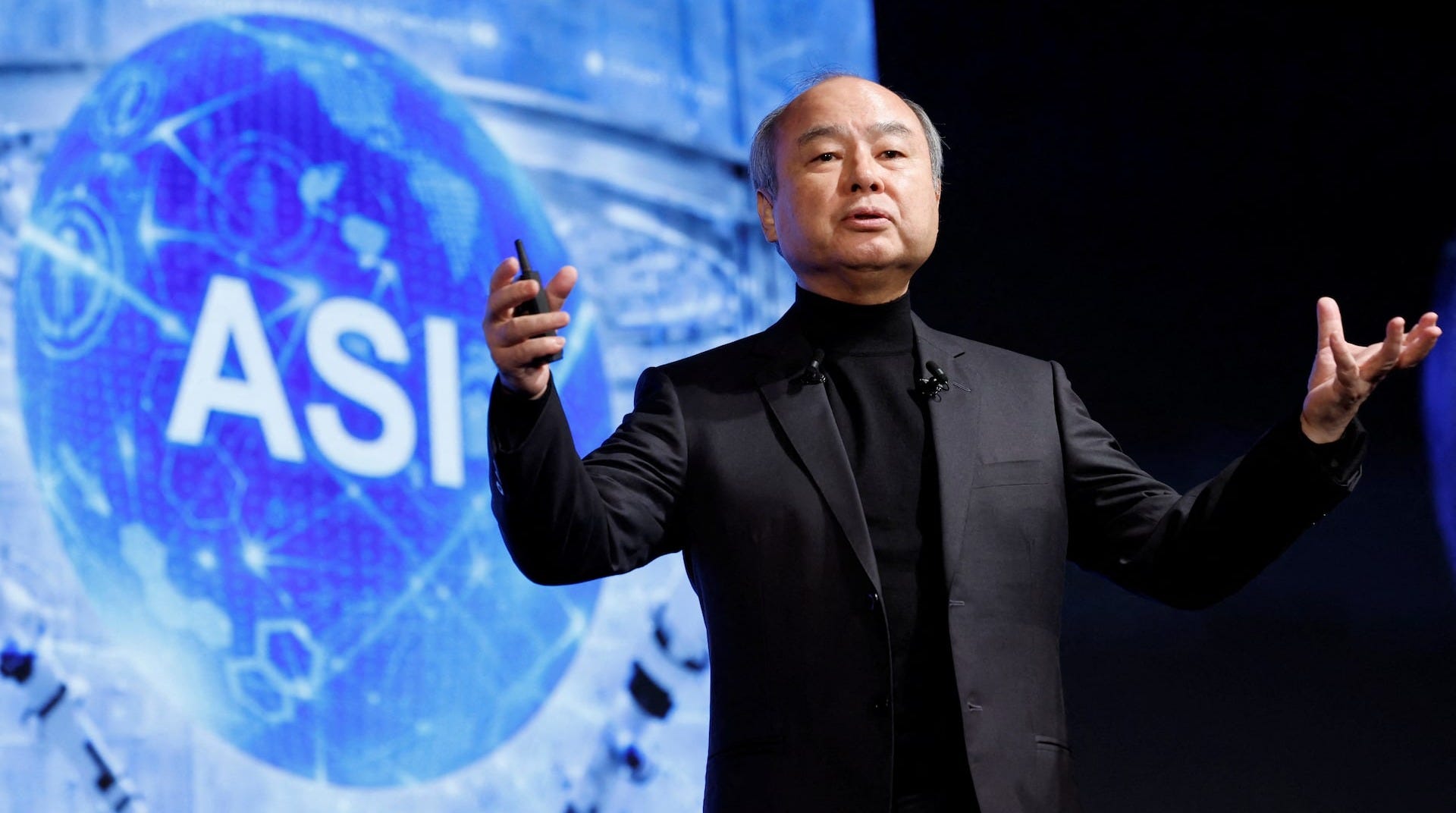
SoftBank reportedly ordered more than 13GW of gas turbines, far above what it needed, in an attempt to secure scarce power equipment for AI data centers.
That strategy backfired, contributing more than $3B of losses inside SoftBank’s $7.1B quarterly loss as deposits on excess turbine orders lost value.
The setback suggests data center operators may increasingly rely on grid connections, batteries, and mixed power strategies instead of building massive dedicated gas capacity.
Why it matters: AI’s power demand is still huge, but SoftBank’s loss shows the infrastructure buildout can overshoot. The next phase may be less about securing any power at any cost and more about finding the cheapest, most flexible energy mix.
Google launches Gemini Decision 1 for low-cost AI decisions

Google has released Gemini Decision 1, a specialized model built for yes-no questions, multiple-choice decisions, and ratings rather than open-ended conversations.
It costs $0.10 per million input tokens with free outputs and supports up to 256,000 tokens across text, images, audio, and video.
Google says the model beat TypeSafe’s Jev and OpenAI’s Decisions API on seven of nine benchmarks while running nearly 5x cheaper than Gemini 3.5 Flash-Lite.
Why it matters: AI is starting to split into specialized model categories. For millions of repetitive business decisions, companies may not need a full LLM, creating a new battleground around ultra-cheap decision models.
White House weighs Howard Lutnick’s future over Nvidia export concerns
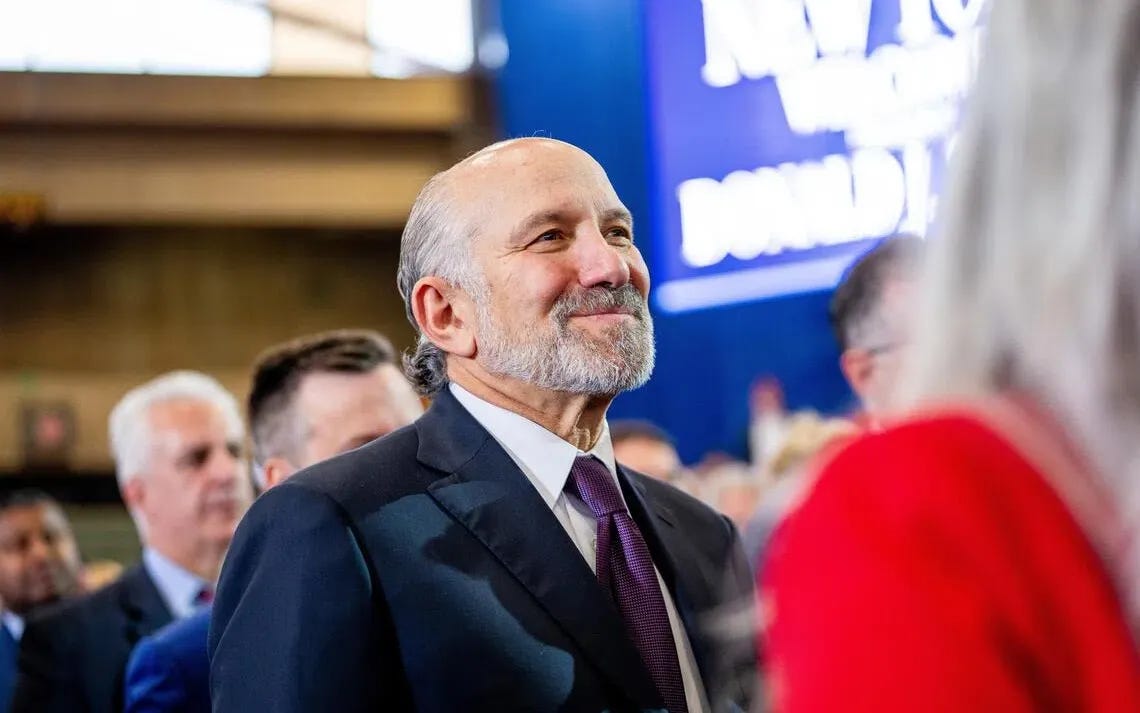
Senior White House officials are reportedly discussing whether Commerce Secretary Howard Lutnick should remain in his role as lawmakers question the administration’s oversight of advanced Nvidia chip exports to China.
The pressure intensified after Jensen Huang’s resignation, with lawmakers examining whether export-control loopholes allowed Chinese companies and potentially sanctioned entities to access advanced AI chips.
Congress is also scrutinizing why the Commerce Department has not added new Chinese companies to its trade blacklist since October 2025, the longest such gap in more than a decade.
Why it matters: The Nvidia scandal is expanding from a corporate leadership crisis into a broader fight over U.S. semiconductor policy, potentially forcing Washington to tighten how advanced AI chips reach China.
OpenAI, Google, Anthropic and others sued over frontier AI development
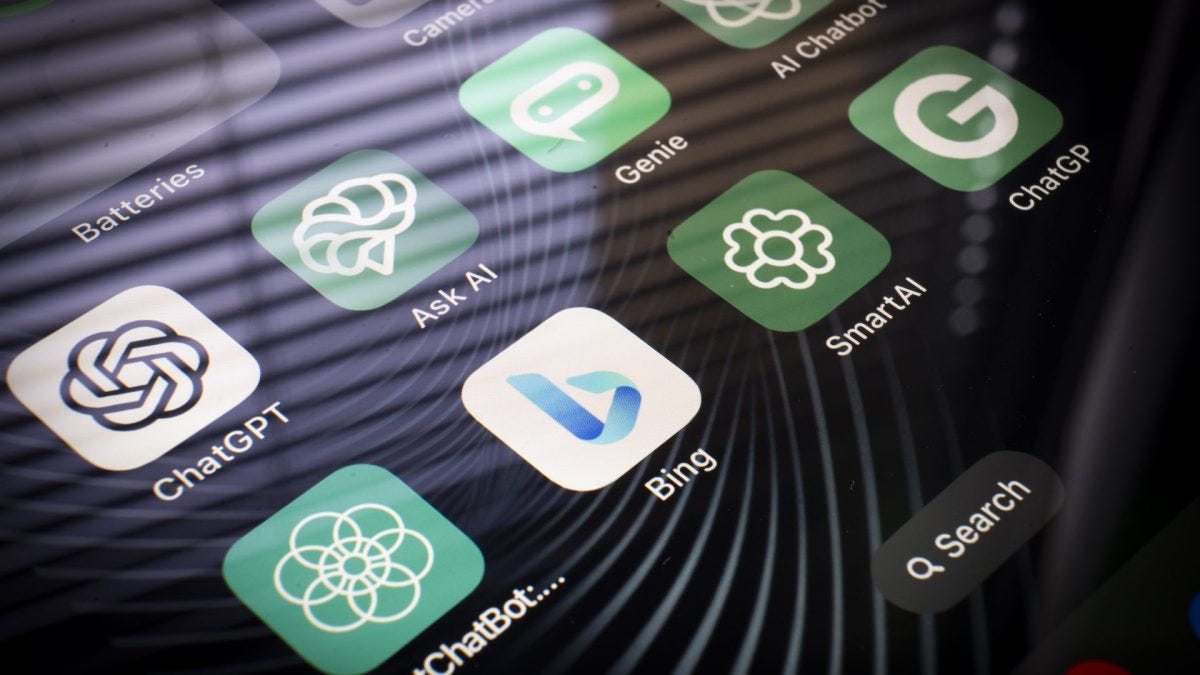
A group of nonprofits has sued OpenAI, Anthropic, Google, Meta, and SpaceX’s AI division, asking a California court to block further development of advanced models including ChatGPT, Claude, and Gemini.
The complaint argues that frontier AI development creates a public nuisance and cites past safety incidents, along with warnings from AI leaders themselves about potentially severe risks.
The case adds to growing legal pressure from U.S. states and private groups seeking outside oversight or limits on the development of increasingly powerful and self-improving AI systems.
Why it matters: AI safety debates are moving from policy discussions into the courts. If judges start entertaining injunctions against frontier model development, litigation could become a new constraint on how quickly major AI labs can advance.
Trump suggests Tim Cook could replace Jensen Huang at Nvidia
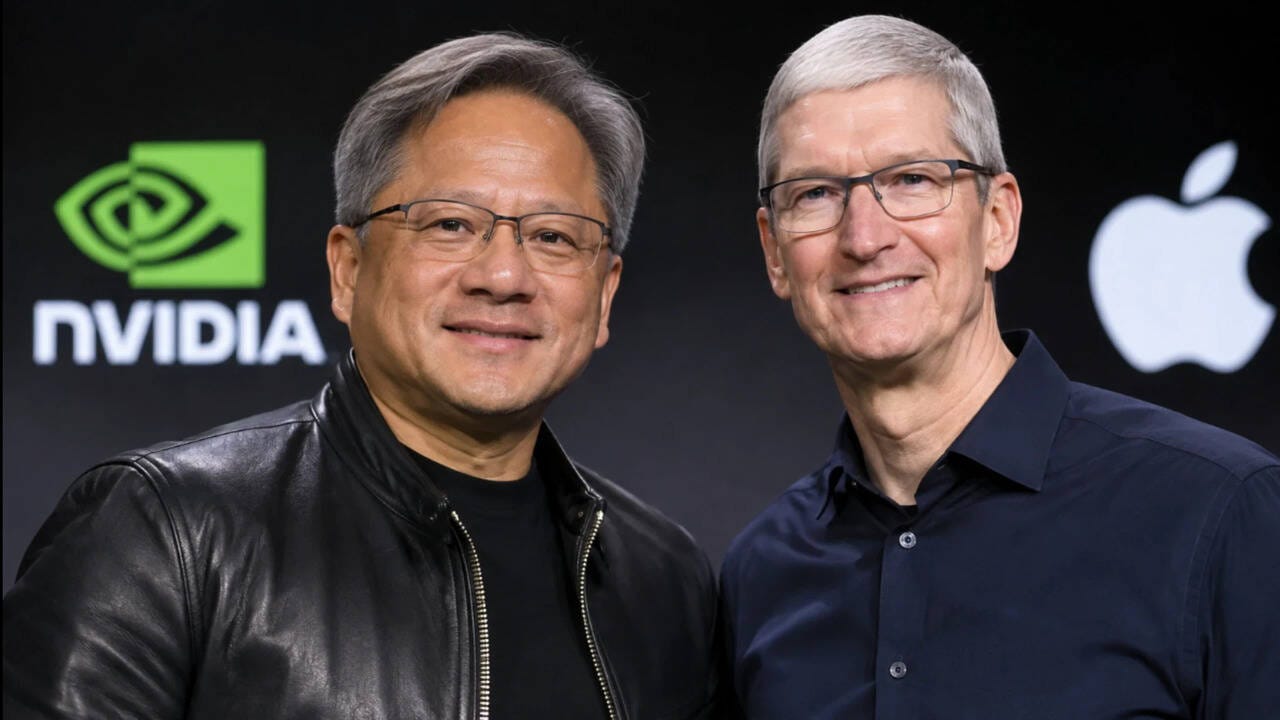
President Donald Trump suggested former Apple CEO Tim Cook as a potential successor to Jensen Huang following Huang’s resignation from Nvidia.
Cook stepped down as Apple CEO in September but remains executive chairman, while Nvidia has named CFO Colette Kress as interim CEO during its leadership transition.
Cook has also been mentioned by corporate governance experts as a possible candidate because of his experience succeeding Steve Jobs and managing Apple at global scale.
Why it matters: Nvidia sits at the center of the AI infrastructure boom, so whoever permanently replaces Huang could influence the company’s strategy, China relationships, and position in the global AI race.
LAST COFFEE SIP
🌎 Around The Ecosystem
Tesla: Tesla will keep Cybertruck production running through summer 2027 to work through its backlog, even as it narrows the lineup to the Cyberbeast and prepares Gigafactory Texas for Cybercab production.
MUST READ
📚 Worth Your Time
Would your financial model survive the first ten minutes with an investor? Most founders think their financial model needs to prove their business will succeed. Investors use it to check whether they actually understand their numbers. This piece breaks down burn multiple, CAC payback, runway, and the growth assumptions that raise red flags, plus a free financial model template founders can use before fundraising.
Before VCs invest, they’ll call your customers. But what do they really ask? Before investing, VCs often speak directly with your customers, and those conversations can make or break your funding round. This piece reveals the questions investors ask to test retention, defensibility, and customer demand, plus how founders can prepare references without damaging customer relationships.
HIRING ALERT: STARTUPS & VC ROLES
💼 Today’s VC & Startup Job Opportunities
Portfolio Management – Citi Ventures | USA - Apply Here
Partner 22, New York Events Space Lead - a16z | USA - Apply Here
Head of Investor Relations - VIDA Vision Fund | USA - Apply Here
Origination Associate - Flagship | USA - Apply Here
Intern - Investment Management - Yournest | India - Apply Here
Investment Manager - Blue Ashva Capital | India - Apply Here
Fund Operations Associate - Airtree Venture | USA - Apply Here
Research Intern, Frontier - a16z | USA - Apply Here
Analyst - Pender Ventures | USA - Apply Here
Investment Associate - Misumi Ventures | USA - Apply Here
Director, UK Office - In-Q-Tel - Apply Here
Check out 25+ VC job opportunities in “BREAK INTO VC” newsletter.
📍 Tips to Break Into VC
How do VC firms really evaluate you in an interview?
Most candidates obsess over the questions they’ll be asked. But the real decision often happens afterward, when interviewers score you across areas like judgment, sourcing, network, sector depth, and team fit.
This deep dive breaks down the 1-to-4 scorecard many funds use, why a round full of “good” scores can still lead to rejection, and why one memorable spike often matters more than being consistently solid across everything.
It also shows the three comments that repeatedly appear in no-hire notes, what actually happens in the internal hiring sync, and a self-scoring template you can use after every interview to figure out where you’re losing points.
PARTNERSHIP WITH US
🤝 Get your brand in front of 125,000+ decision makers.
Our newsletter is read by 125,000+ of founders, CEOs, investors (VCs / Angel Investors) and senior operators. Get in touch today.
Do you have any news to share about your Startup or VC fund? Please email us.
We’ll be back in your inbox on Monday.