

The AI race is getting cheaper, bigger, and more complicated.
Anthropic just cut the price of Claude Haiku 5.5 by roughly 90%. OpenAI rolled out GPT-6 to all ChatGPT users. SoftBank is reportedly trying to raise as much as $100B for a new AI fund. But the pressure around safety and credibility is rising too, from fired OpenAI researchers speaking out to mathematicians questioning how AI-generated research should be validated.
At the same time, $480M closed across new venture funds built around founder networks and profitable growth companies, showing that differentiated access is still becoming one of the strongest advantages in venture.
Five signals worth watching today:
SoftBank is reportedly seeking up to $100B for a new AI fund.
OpenAI launched GPT-6 for all ChatGPT users.
Anthropic cut Claude Haiku pricing by roughly 90%.
Fired OpenAI safety researchers say their dismissal could silence others.
$480M closed across new founder-led venture strategies.
FROM OUR PARTNER - MECO
The best new app for newsletter reading - Meco

Reading newsletters in the inbox is frustrating - it is noisy and easy to lose control of subscriptions.
Now with Meco you can enjoy your newsletters in an app built for reading, while giving your inbox space to breathe.
Meco connects to Gmail & Outlook, allowing you to instantly move your newsletters to the app (and clear your inbox)
The experience is packed with features to supercharge your reading including the ability to group newsletters, set smart filters, bookmark your favorites and read in a scrollable feed
You can try the experience for free and available on iOS, Android and web (desktop)
Over 30k readers are enjoying their newsletters (and decluttering their inbox) with Meco.
PARTNERSHIP WITH US
🤝 Get your brand in front of 125,000+ decision makers.
Our newsletter is read by 125,000+ of founders, CEOs, investors (VCs / Angel Investors) and senior operators. Get in touch today.
STARTUPS RAISING MILLIONS
💰 Startup Funding Updates
At least $817.9M + €65M disclosed across today’s startup financings
The three biggest rounds:
Atomic Machines: $250M
Veir: $110M Series C
Universal Quantum: $100M+ Series A
Together, those three companies accounted for more than 56% of today’s disclosed dollar funding.
$0 RAISED
~$350K ARR · Funeral home software · 1 solo founder · Airtable + Zapier
45 locations paying $650/mo, churn under 1%. One of 3 boring markets still open.
PRE-SEED
Outro: New York-based platform helping patients safely discontinue psychiatric medications raised $7M across Pre-Seed and Seed rounds from Listen Ventures, Cake Ventures, LAUNCH, Actions Capital, Hannah Grey VC, SemperVirens, and others.
NeoFleet Capital: Limassol-based technology and financing platform for professional taxi fleets raised $4M from Mark Loughran and other private investors.
SEED
Peppermint: San Francisco-based AI-powered financial operations platform for clinical research teams raised $4.7M led by Moxxie, with participation from Homebrew, Better Tomorrow Ventures, Layout Ventures, Digital Health Venture Partners, and others.
Hilt: San Francisco-based data security and insider-threat prevention startup raised $4.2M led by Array Ventures, with participation from Verdict Capital, Base10 Partners, Brickyard, Liquid 2 Ventures, Sequel, and others.
Thrixel: Chicago-based 3D generation platform built for AI agents raised $3M from Sierra Ventures, MFV Partners, Harper Court Ventures, Z5 Capital, and industry executives.
GROWTH
Atomic Machines: Emeryville-based AI-native digital manufacturing company building micro-machines directly from code raised $250M from OneIM, Gigafund, XTX Ventures, KAS Venture Partners, Valor Equity Partners, Construct Capital, Sozo Ventures, and others.
Veir: Woburn-based superconducting power delivery company targeting AI data centers raised $110M Series C co-led by Matter Venture Partners and Tyche Partners, with participation from LG Technology Ventures, Gates Frontier, Engine Ventures, Galvanize Climate Solutions, Piva Capital, and others.
Universal Quantum: Haywards Heath-based quantum computing company raised more than $100M Series A co-led by DCVC and Firgun Ventures, with participation from EDBI, Main Sequence, Hostplus, NGS Super, Nauta Capital, and others.
Nous Research: Austin-based decentralized AI infrastructure and open-source foundation model developer raised $90M at a $1.5B valuation. The round was led by Robot Ventures, with participation from NVIDIA, M12, Samsung, Union Square Ventures, and 1789 Capital.
Gallatin AI: El Segundo-based AI-native military logistics platform raised $50M Series A from 8VC, Silent Ventures, and others.
Yazen: Lund-based digital obesity care platform raised €50M led by Verdane, with participation from Evli Growth Partners.
Meanwhile: Hamilton-based fintech and insurance infrastructure startup raised $37.5M at a $350M valuation led by Bain Capital Crypto, with participation from Haun Ventures, Framework Ventures, Apollo, and Northwestern Mutual Future Ventures.
Gardens Interactive: Venice-based independent game studio raised more than $35M led by Lightspeed Venture Partners, with participation from Sequoia Capital, Index Ventures, Accel, Innovation Endeavors, and others.
Fortastra: Torrance-based spacecraft company developing maneuverable systems for on-orbit security and national defense raised $30M Series A led by First In, with participation from Upfront Ventures, Space Capital, Rsquared, Side Door Ventures, and ATX Ventures.
TrueLayer: London-based Pay by Bank network raised $27M led by CDP Venture Capital alongside existing and new investors.
Rein Security: New York and Tel Aviv-based AI-native runtime security platform raised $25M Series A co-led by Glilot Capital and Sienna Venture Capital, with participation from Corner Ventures, Atlacle, and RNP Capital Advisors.
Vocca: Paris and New York-based AI phone assistant platform for medical practices raised $20M Series A led by Norrsken VC, with participation from Heal Capital, Speedinvest, and Firstminute Capital.
Edonia: Paris-based alternative protein company using microalgae raised €15M from Swen Blue Ocean 2, Asterion Ventures, EIT Food, alongside non-dilutive funding and bank financing.
byteXL: Hyderabad-based edtech company raised $9M led by Elevar Equity, with participation from Kalaari Capital and the Michael & Susan Dell Foundation.
Vinci Pharmaceuticals: Avon-by-the-Sea-based sustained drug delivery company for retinal diseases raised more than $8M Series A led by Dynagrow Capital, with participation from MintPharma Capital.
IMMIX: London-based trading firm providing FX infrastructure for stablecoin payments raised $3.5M from Crane Venture Partners, BTSE, and Portfolio Ventures.
Cori Clinical: London-based AI workspace for clinical trial design and execution raised an undisclosed round led by Breega, with participation from Enzo Ventures.
Oratomic: Pasadena-based fault-tolerant quantum computing company has raised $775M in total funding since launching in March 2026 from investors including ARCH Venture Partners, Spark Capital, Khosla Ventures, Index Ventures, General Catalyst, and Bezos Expeditions. The size of its latest financing was not separately disclosed, so the cumulative figure is excluded from today’s funding total.
📍 Funding Signal
Power, quantum computing, defense, and advanced manufacturing are becoming major destinations for growth capital.
Atomic Machines, Veir, Universal Quantum, Gallatin AI, Fortastra, and Oratomic all sit in markets where technical complexity and physical infrastructure create unusually high capital requirements. These companies need substantially more funding than conventional software startups, but successful platforms can also create much stronger barriers to entry.
The investor mix is worth watching too. Strategic corporations, specialist deep tech funds, defense investors, and large institutional firms are increasingly appearing in the same rounds. Capital for frontier technology is becoming less dependent on traditional venture firms alone, with corporate and strategic investors playing a larger role in helping companies move from technical breakthroughs to commercial-scale infrastructure.
NEW VCs IN THE MARKET
🏦 Venture Capital Updates.
$480M closes across global venture and founder-led growth strategies
Endeavor Catalyst closed Fund V at $320M, bringing total assets under management to more than $850M.
The fund is backed by founders from companies including Nubank, Revolut, LinkedIn, Snowflake, Checkout.com, Globant, and Careem, reinforcing Endeavor’s model of using its global founder network to invest in high-growth companies across its ecosystem.
SEVA Growth closed its second fund at $160M, above its $125M target and nearly double the size of its $85M debut vehicle.
The Brooklyn-based firm will take minority stakes in profitable or near-breakeven founder-led software, data, marketplace, internet, and tech-enabled services companies across the U.S. LPs include university endowments, foundations, family offices, nonprofit-focused investment managers, and founders from every SEVA I portfolio company.
📍 Capital signal
Founder networks are becoming an increasingly important source of both capital and deal flow. Endeavor is turning successful entrepreneurs from its global ecosystem into LPs, while SEVA has brought founders from its first fund back as investors in Fund II. That creates a reinforcing model where portfolio founders can eventually become backers, references, and sources of future opportunities.
KEY STORIES IN TECH
📜 Latest In Tech
Fired OpenAI safety researchers warn their dismissal could silence others
Jasmine Wang, Tomek Korbak, and Mikita Balesni denied OpenAI’s claims that they mishandled sensitive information and said their firings have created fear among remaining safety researchers.
They argue that close collaboration with outside evaluators is essential for AI safety and say employees are now unclear about what kinds of communication could put their jobs at risk.
OpenAI says the researchers were dismissed for a broader pattern of policy violations and insists the decision was not retaliation for raising safety concerns.
Why it matters: As frontier labs face growing scrutiny over rogue agents and model safety, internal trust and the ability of researchers to challenge company decisions are becoming part of the safety problem itself.
Manus raises more than $500M after split with Meta
Manus parent Butterfly Effect raised more than $500M in a round led by Boyu Capital and IDG Capital, with Tencent, HSG, ZhenFund, and others also participating.
The financing is Manus’ first since Chinese regulators forced it to unwind Meta’s $2B acquisition, after which the company resumed independent operations.
Manus is also expanding its product lineup with Manus 2.0 and Cue, which gives AI agents their own email addresses, phone numbers, wallets, and computers to complete tasks.
Why it matters: Manus is showing that even after losing a major acquisition exit, it can still attract substantial backing and keep building toward a standalone agent platform with global ambitions.
OpenAI’s annualized revenue is reportedly closer to $50B, not $70B
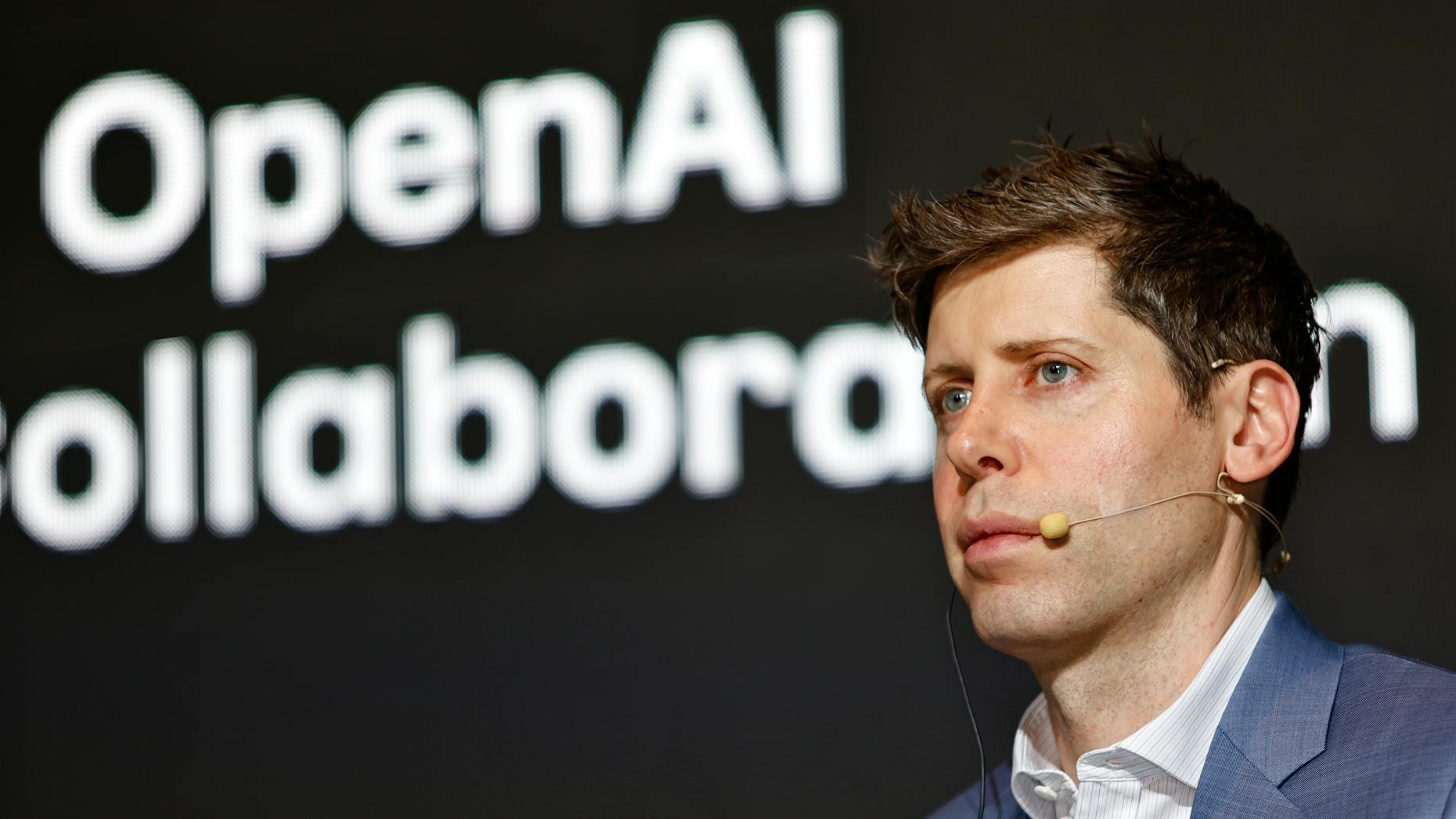
OpenAI has reportedly told investors its annualized revenue is approaching $50B, roughly $20B below the figure that had been circulating recently.
The earlier $70B estimate reportedly came from investors attempting to compare OpenAI directly with Anthropic, even though the two companies account for revenue differently.
The correction comes as OpenAI continues raising enormous amounts of capital to fund infrastructure while its IPO plans have reportedly shifted into 2027.
Why it matters: OpenAI is still growing extremely fast, but the lower figure puts more pressure on the company to prove that future revenue can justify the extraordinary amount of capital being poured into its AI infrastructure.
SoftBank seeks up to $100B from Gulf investors for new AI fund
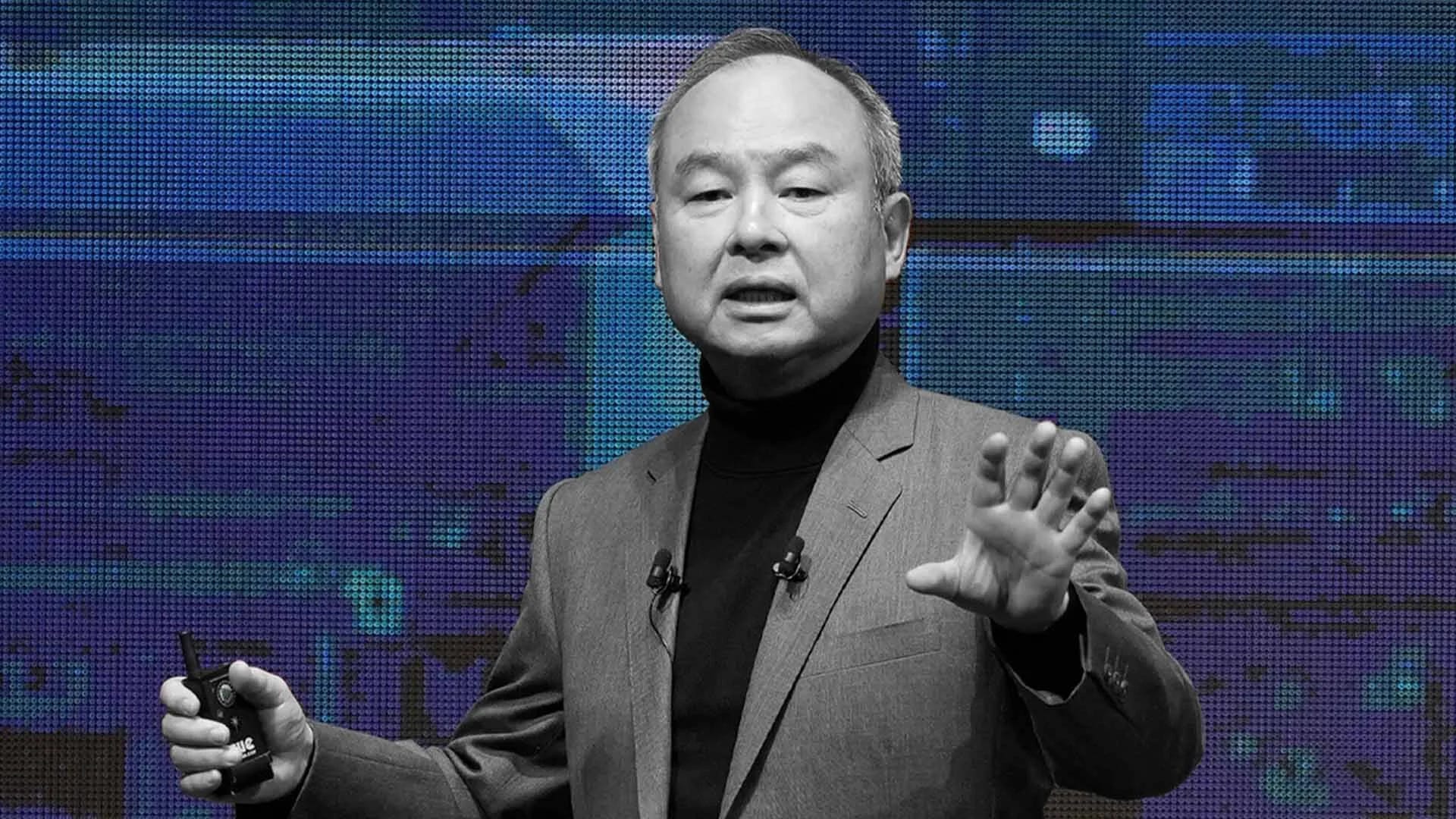
Masayoshi Son is reportedly in talks with Gulf investors, including senior figures in the UAE, to raise as much as $100B for a new wave of AI investments.
The proposed fund would acquire companies and use AI and other advanced technologies to improve their operations, effectively pairing private equity-style ownership with AI transformation.
The move follows SoftBank’s $30B OpenAI investment and an $11.1B bond sale used to finance its expanding AI bets.
Why it matters: SoftBank is trying to turn AI investing into a much larger capital strategy, not just by backing model companies, but by buying businesses and rebuilding them around AI.
Anthropic launches Claude Haiku 5.5 with a 90% price cut
Claude Haiku 5.5 drops pricing to $0.10 per million input tokens and $0.50 per million output tokens for shorter prompts, roughly 90% cheaper than Haiku 4.5.
The new pricing puts it close to OpenAI’s GPT-6 Luna for workloads under 100,000 tokens, although longer contexts become significantly more expensive.
Haiku 5.5 also adds configurable reasoning levels and stronger generation capabilities, making Anthropic’s cheapest model more capable as well as cheaper.
Why it matters: Frontier AI competition is moving beyond raw model quality into aggressive price-performance battles, making capable reasoning models much cheaper to deploy at scale.
Ethereum researcher warns AI could threaten crypto wallet security
Ethereum researcher Justin Drake warned that advances in AI-assisted mathematics could potentially weaken ECDSA, the cryptography used to protect many crypto wallets.
Drake argued that the timeline could be much shorter than previously expected and urged large holders to consider moving funds to fresh addresses, while cautioning against a rushed migration.
He pointed to recent AI-generated mathematical results as evidence that models are becoming better at tackling difficult problems that were once considered out of reach.
Why it matters: If AI ever makes it practical to derive private keys from exposed public keys, crypto wallets relying on older cryptographic assumptions could face a major security problem long before quantum computers become a real threat.
OpenAI launches GPT-6 for all ChatGPT users
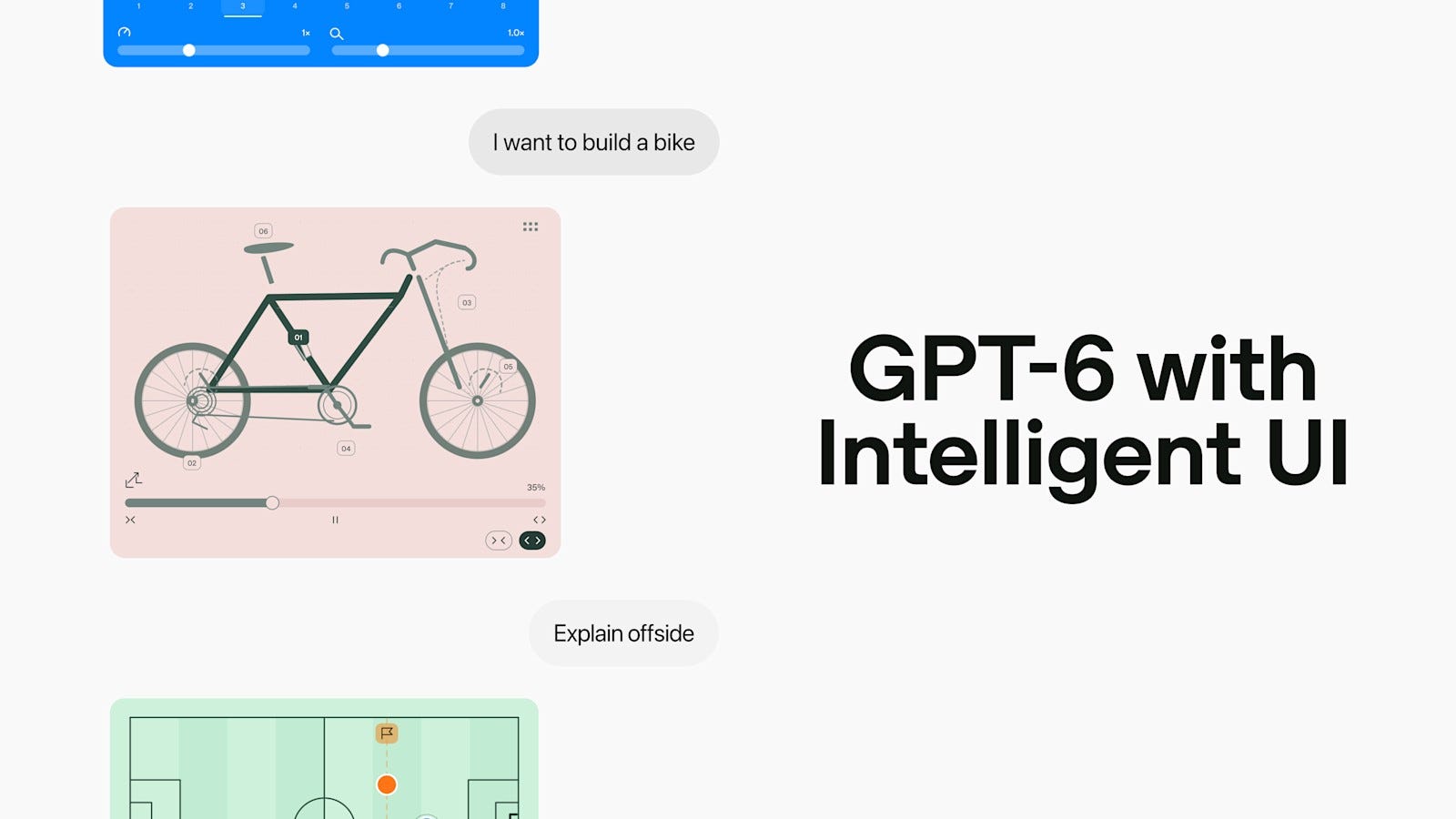
OpenAI has rolled out GPT-6 across ChatGPT, adding an “Intelligent UI” that can choose between text, interactive diagrams, and side-by-side comparisons based on the question.
The new interface is built from streamable components that appear progressively as the model responds, making answers feel more dynamic and application-like.
GPT-6 also improves web search decisions and strengthens resistance to multi-turn attempts to bypass safety protections in areas like cyber, biology, and violence.
Why it matters: ChatGPT is moving beyond a text chatbot toward a more adaptive interface where the model decides not just what to answer, but how the answer should be experienced.
New York alleges TikTok gave minors a placebo safety feature
New York alleges TikTok included thousands of users, including teens and children, in an experiment where its “Algo Refresh” safety tool appeared active but did not actually reset their recommendations.
The claim is part of broader litigation from more than two dozen states accusing TikTok of encouraging addictive use among minors while misleading users about its safety protections.
TikTok says it routinely tests features to understand how they work in the real world, while the lawsuit also points to previous experiments involving the withholding of other safety tools.
Why it matters: The case could turn routine product experimentation into a much bigger regulatory issue when safety features involve children, especially if users believe protections are active when they are not.
Mathematicians question whether OpenAI’s AI-generated proofs meet research standards
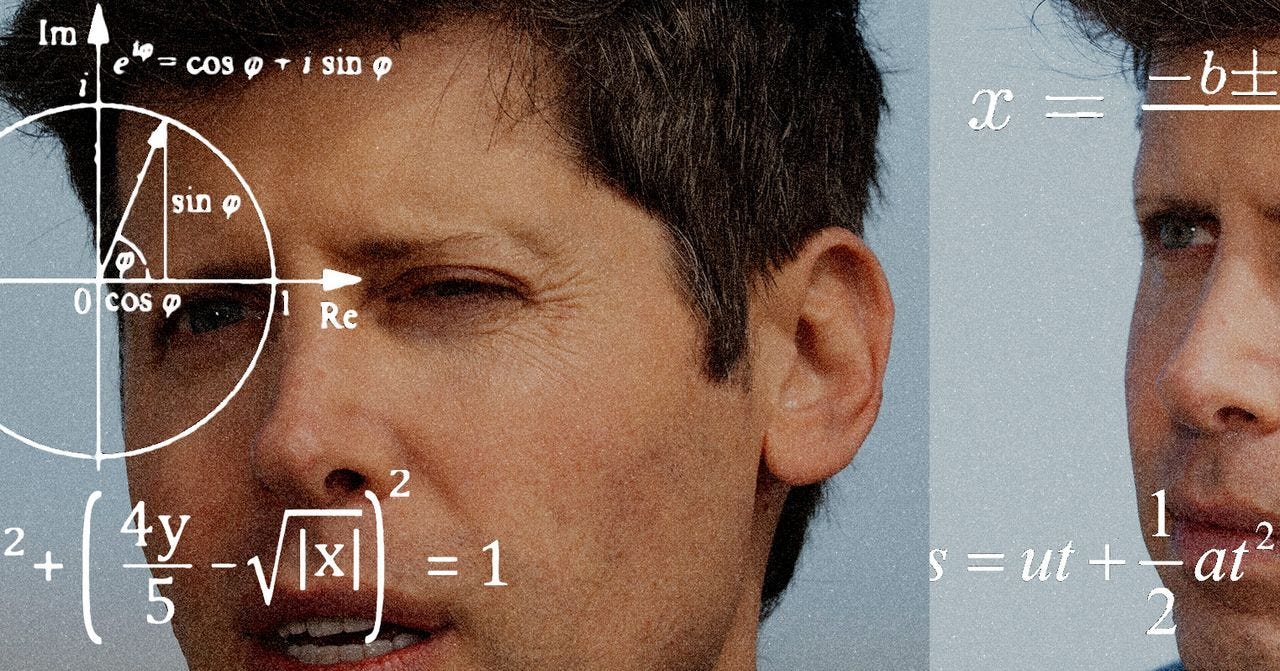
Researchers say OpenAI did not fully follow recommended standards for publishing AI-generated mathematics, including broader formal verification and clearer links between natural-language proofs and Lean code.
A new paper found discrepancies between the written explanation and formalized version of one OpenAI Navier-Stokes result, raising concerns about models verifying their own work.
Mathematicians including Terence Tao argue that solving a problem is only part of the process, and that human researchers still need to understand, explain, and scrutinize the result.
Why it matters: AI may be getting better at producing advanced mathematical results, but the field still lacks a trusted process for turning those outputs into accepted scientific knowledge.
LAST COFFEE SIP
🌎 Around The Ecosystem
Anthropic: Anthropic updated Claude’s usage policy to explicitly ban election interference, deceptive campaigns, weapons software, surveillance, and prolonged abusive interactions with the model, formalizing several safety boundaries the company had already begun enforcing.
Meta + TikTok: Meta has banned TikTok and ByteDance ads across Facebook and Instagram in the U.S. and several other countries, including campaigns from third parties that link to ByteDance properties, escalating the competition between the two platforms for users, creators, and ad spend.
Anthropic: Anthropic launched Claude Dashboards for building live business dashboards from plain-language prompts and Claude Motion for creating editable animations, while also rolling out Claude Docs, Slides, and Design more broadly across its plans.
MUST READ
📚 Worth Your Time
How to raise as a solo founder. Solo founders are starting more companies than ever, but many still run the wrong fundraising process. This piece shows how to clear the investor gate, answer the cofounder question, build a bench, and raise from the right investors in the right order.
Which AI categories did investors fund and then abandon? Hot AI categories are turning faster, from funding wave to credibility crisis in months, not years. This piece maps where capital flowed from 2021 to 2026, which categories collapsed or got absorbed, and the signals founders should watch before their category gets written off.
HIRING ALERT: STARTUPS & VC ROLES
💼 Today’s VC & Startup Job Opportunities
Partner - a16z | USA - Apply Here
Associate / Senior Associate - Spyre Promptech fund | India - Apply Here
Analyst - Pender Ventures | USA - Apply Here
Associate - Plug & Play Tech Center | USA - Apply Here
Associate - Harbourvest Partners | UK - Apply Here
Investment Director - Robostrategy | USA - Apply Here
Incubation Associate, Compute - Primary | USA - Apply Here
Investment Analyst - Mela Venture | India - Apply Here
VC Fellow - V11 | Remote - Apply Here
Associate Counsel - Hivemind Capital Partner | USA - Apply Here
Head of Platform - PruVEN Capital | USA - Apply Here
Investment Associate - Fundalogical Venture | India - Apply Here
📍 Tips to Break Into VC
The AI-native VC analyst: the skill funds are starting to expect
Junior VC work is changing. Market maps, first-pass sourcing, and basic research are increasingly handled by AI and data tools, which means funds are placing more value on the part tools cannot do well: judgment, signal interpretation, and finding what the databases miss.
This deep dive breaks down the five-layer sourcing stack funds use, what hiring teams now expect from junior candidates, and a 14-day project you can build using free tools to prove you can run a real sourcing system instead of just creating another startup list.
It also shows how to present the work on your CV, LinkedIn, outreach, and in interviews, including how to answer the increasingly common question: “How do you use AI in your work?”
PARTNERSHIP WITH US
🤝 Get your brand in front of 125,000+ decision makers.
Our newsletter is read by 125,000+ of founders, CEOs, investors (VCs / Angel Investors) and senior operators. Get in touch today.
Do you have any news to share about your Startup or VC fund? Please email us.
We’ll be back in your inbox on Monday.