


The AI stack is starting to spread into money, machines, and everyday infrastructure.
OpenAI is giving agents the ability to make purchases, Google is building privacy directly into smart glasses, and Tesla is testing a car model where software access remains essential even after you buy the hardware.
At the same time, more than $134M + CA$60M is moving into funds focused on physical-world businesses, regional tech, defense, robotics, and early-stage AI.
Five signals worth watching today:
OpenAI launched ChatGPT Wallet for AI agents.
Tesla’s Cybercab requires a $299 monthly autonomy subscription.
Google will blur faces before Gemini processes smart-glasses footage.
OpenAI disbanded its dedicated robotics team.
More than $134M + CA$60M is moving into differentiated early-stage funds.
FROM OUR PARTNER - SEMRUSH ONE
Your customers are searching on Google AND ChatGPT. Can they find you on both?
Search has changed. Ranking on Google still matters, but buyers are also asking AI tools which products to use, which companies to trust, and how different options compare.

Semrush One brings both sides into one place. You can track your Google rankings and AI mentions, see the prompts driving demand, compare your visibility against competitors, and find gaps you can actually act on.
It monitors 239M+ relevant LLM prompts globally, alongside the SEO data Semrush is already known for.
PARTNERSHIP WITH US
🤝 Get your brand in front of 125,000+ decision makers.
Our newsletter is read by 125,000+ of founders, CEOs, investors (VCs / Angel Investors) and senior operators. Get in touch today.
STARTUPS RAISING MILLIONS
💰 Startup Funding Updates
At least $2.29B + £3.2M disclosed across today’s startup financings
The three biggest rounds:
Fractile: $720M Series C
Agile Robots: $500M Series F
LangChain: $300M
Together, those three companies accounted for roughly 66% of today’s disclosed dollar funding.
$0 RAISED
Trialfacts · 20 years · 40+ team · competing with IQVIA: A bootstrapped patient-recruitment shop in a $4.49B market the giants don’t own. (Read Here)
PRE-SEED
Lumepay: Cape Town-based cross-border payments platform raised $6M. Backers were not disclosed.
SEED
Twin1 AI: San Mateo-based privacy-first platform for AI-powered professional digital twins raised a $5M Seed extension led by Curql, with participation from Greyhair Ventures, KittyHawk Frontier, and angel investors.
Pro Climbing League: London-based professional climbing media and events platform raised £3.2M led by Redrice Ventures, with participation from The International Bouldering Alliance, Active Partners, and Accelerate Ventures.
vinny: Austin-based digital workflow platform for the RV industry raised $2.1M led by York IE, with participation from strategic and angel investors.
GROWTH
Fractile: London-based AI inference chip company raised $720M Series C at a $7B valuation. The round was co-led by Thrive, Founders Fund, Lightspeed, and Redpoint, with participation from Felicis, CapitalG, and Dragoneer Investment Group.
Agile Robots: Munich-based developer of AI-controlled humanoid and industrial robots raised $500M Series F at an $8.5B valuation. The round was led by SoftBank Group, with participation from Nvidia, Hitachi Ventures, and T. Capital.
LangChain: San Francisco-based AI agent infrastructure company raised $300M at a $3B valuation. The round was led by CapitalG, with participation from GIC, DFJ Growth, IVP, and Sapphire Ventures.
Q-CTRL: Sydney-based quantum infrastructure software company raised $290M Series C led by Salesforce Ventures, with participation from AMD Ventures, In-Q-Tel, Lockheed Martin Ventures, DCVC, Main Sequence, Square Peg, Australia’s National Reconstruction Fund Corporation, and others.
Blue J: Toronto-based tax research and advisory platform raised $176M Series E at a valuation above $700M. The round was led by JMI Equity, with participation from Oak HC/FT, Sapphire Ventures, and Intrepid Growth Partners.
Vumedi: Oakland-based physician learning platform raised $140M Series B from Oak HC/FT.
Neurosterix: Geneva and Boston-based biotechnology company developing treatments for neuropsychiatric disorders raised $105M Series B led by RTW Investments, with participation from Janus Henderson Investors, GV, Perceptive Advisors, Ikarian Capital, and others.
Luminal: San Francisco-based AI inference optimization company raised $25M Series A led by Standard Capital, with participation from Felicis, SagaVC, and Liquid 2.
4Minds: Dallas-based contextual AI platform for enterprises raised $15M Series A at a $500M valuation. Backers included Waterwood Capital Group, Isom Holdings, and family offices from the energy and data center ecosystem.
BluWave-ai: Ottawa-based AI energy optimization platform raised $8.1M through Series A-2 equity, non-dilutive federal financing, and operational capital. Investors included angel and family office investors, while RBC and BMO provided operational capital.
📍 Funding Signal
AI infrastructure is splitting into increasingly valuable specialized layers.
Fractile and Luminal are attacking AI inference, LangChain is building agent infrastructure, and Q-CTRL is developing the software layer for quantum systems. Together, these companies show investors are placing large bets on the technical infrastructure required to make increasingly complex computing systems usable at scale.
The second signal is the return of capital-intensive automation. Agile Robots’ $500M round shows physical AI can attract software-scale valuations when robotics, AI, and industrial deployment come together.
NEW VCs IN THE MARKET
🏦 Venture Capital Updates.
More than $134M + CA$60M is moving into physical-world businesses, regional tech, and early-stage AI
The 81 Collection closed its second fund at $82M, double the size of its $41M debut vehicle.
The Chicago-based firm will invest roughly $8M to $10M for minority stakes in founder-owned businesses across manufacturing, logistics, services, and other hard industries, typically targeting companies with $4M to $20M in annual revenue.
Northside Ventures raised $17M toward a $30M Fund II target, nearly triple the size of its debut fund.
The Toronto-based firm will invest at pre-seed across Canada and the U.S., focusing on AI applications and infrastructure, robotics, and defense tech, with average first checks of about $500K. LPs include CIBC Innovation Banking, Intact Private Capital, TD Innovation Partners, and Bain Capital Ventures.
Conexus Venture Capital increased Fund II to $35M after adding another $5M to its original $30M close.
The Saskatchewan-focused fund backs early-stage technology companies with local ties, with particular exposure to enterprise software and fintech. Conexus Credit Union remains the anchor LP with a $15M commitment.
Sinew Impact Fund reached a CA$8M initial close toward a CA$10M target.
The Yellowknife-based fund will back early-stage, revenue-generating businesses that are majority Indigenous-led and owned across Yukon, the Northwest Territories, and Nunavut. It plans to invest CA$50K to CA$1M through loans, equity, and revenue-based financing across 40 to 50 companies.
📍 Capital signal
Smaller funds are leaning harder into differentiated access rather than broad sector coverage. Northside is combining AI and defense with a cross-border pre-seed strategy, Conexus is using regional ties as a sourcing advantage, Sinew is targeting an underserved founder base with flexible financing, and The 81 Collection is focusing on profitable physical-world businesses. The common edge is proprietary deal flow in markets larger funds often overlook.
KEY STORIES IN TECH
📜 Latest In Tech
Tesla Cybercab needs $299 monthly subscription

Tesla has begun selling the $29,990 Cybercab to a small group of Austin-area customers, but the vehicle has no steering wheel and can barely move without autonomous driving enabled.
Owners must keep an active $299 monthly Autonomy Subscription for the car to function normally, while personal use is restricted to Tesla’s Robotaxi geofences.
Tesla also limits resale, transfers, ride-hailing, and delivery use without permission, with unauthorized transfers potentially triggering damages of at least $50,000.
Jensen Huang’s exit could leave a major funding gap across AI startups
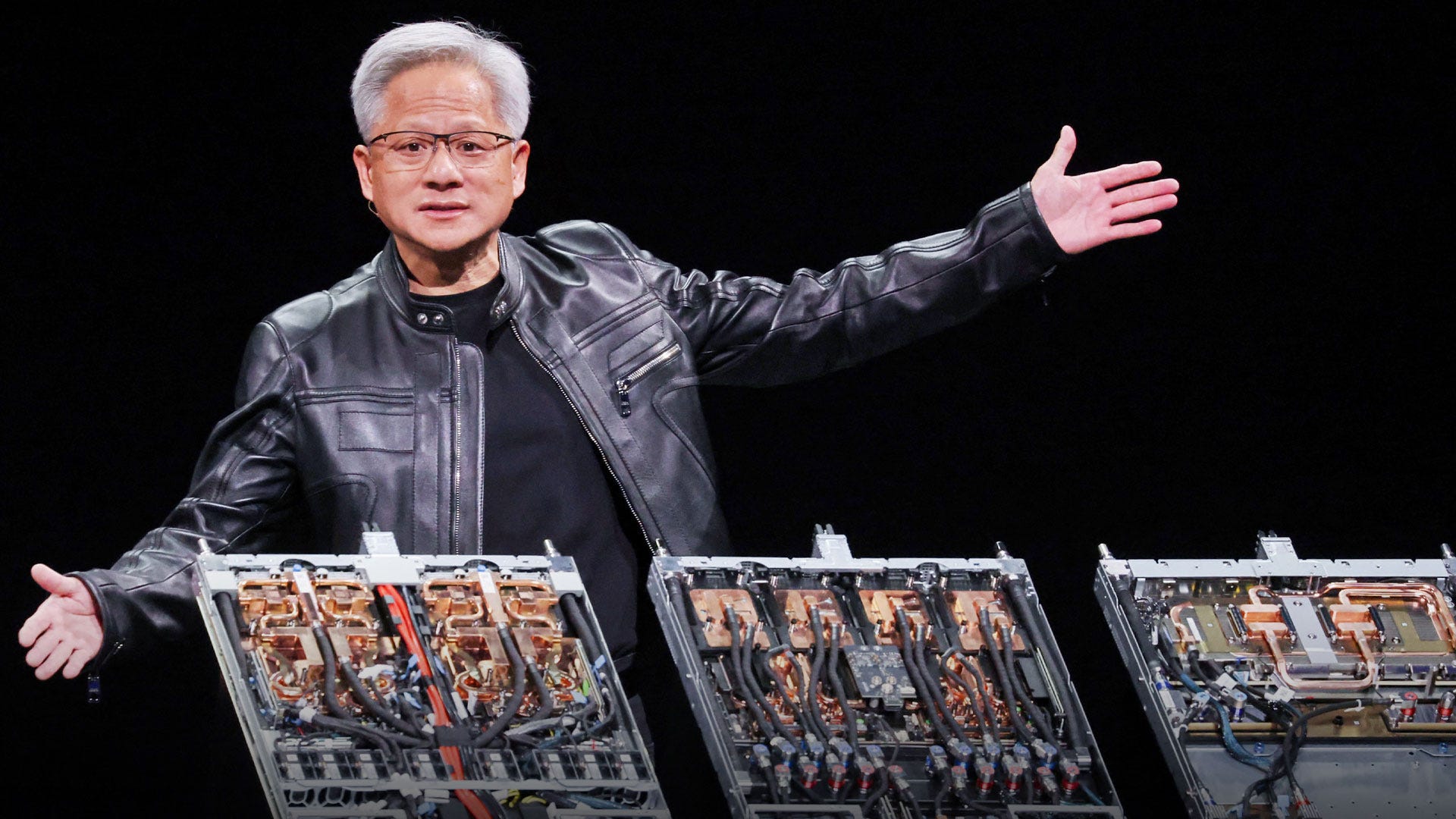
Nvidia participated in 105 startup rounds this year and often wrote some of the biggest checks, especially for neoclouds, open-weight models, and infrastructure companies that needed enormous upfront capital.
Investors expect interim CEO Colette Kress to be more conservative, which could mean smaller checks, fewer new bets, and lower valuations for startups that previously relied on Nvidia’s backing.
Rivals like Google, Amazon, Microsoft, and AMD may step in, but VCs doubt they will fund risky, pre-revenue infrastructure startups as aggressively as Nvidia did under Huang.
Why it matters: Nvidia was not just selling the picks and shovels for the AI boom, it was financing the miners too. If that capital slows, parts of the AI startup ecosystem could see weaker fundraising, lower valuations, and more room for rival chip and cloud platforms.
Google’s smart glasses will blur faces before Gemini sees them
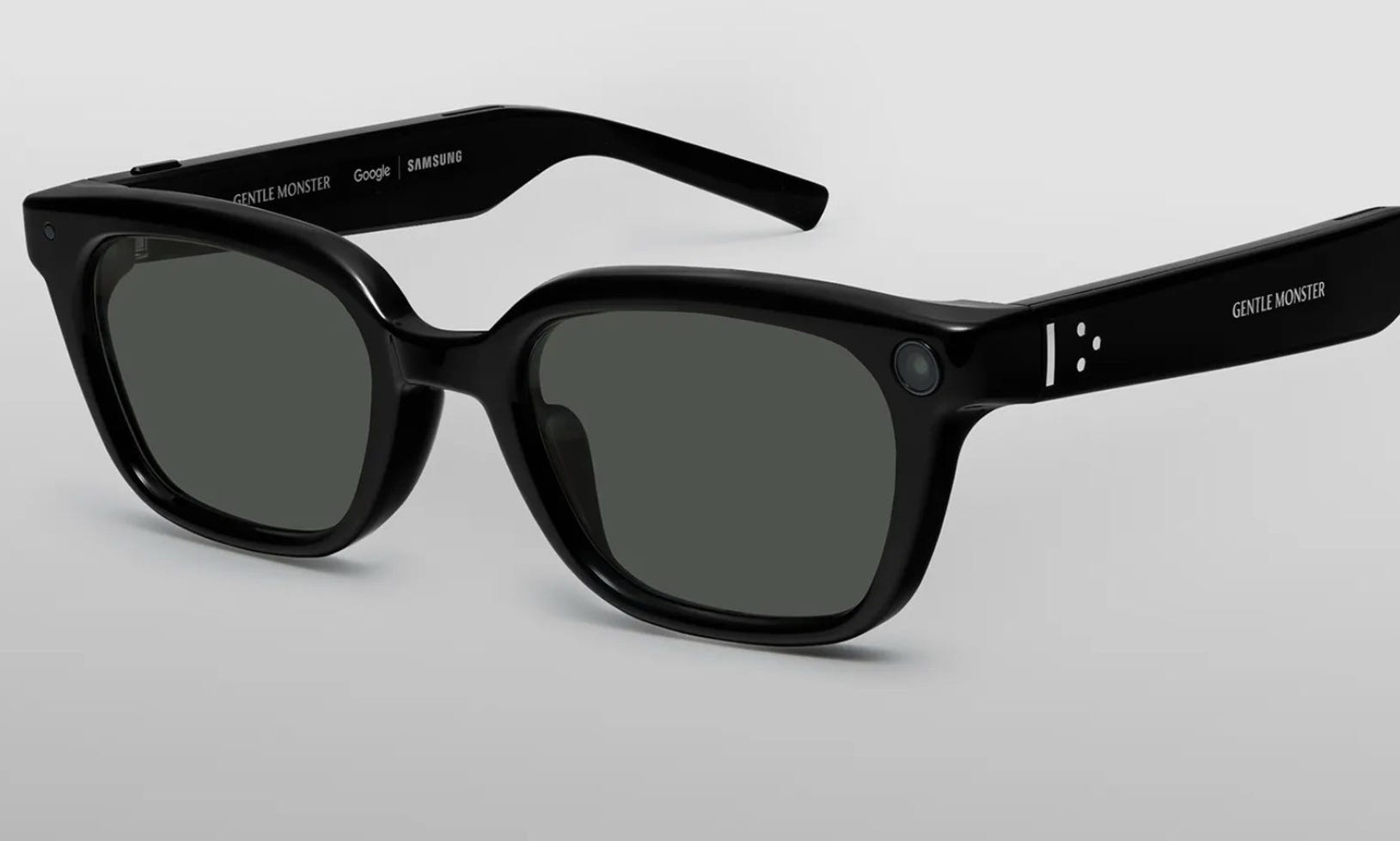
Google’s upcoming Android XR smart glasses will automatically blur or redact faces in photos and video before sending visual data to Gemini for analysis.
The protection applies when users ask Gemini to interpret what they’re seeing, and Google says those images will not be saved to history or used for AI training or ads.
Google is also restricting third-party apps from real-time facial recognition, live-streaming, or disabling the recording indicator.
Why it matters: Smart glasses will only scale if people trust them in public. Google is treating privacy as a core product feature, not an afterthought, which could become a key differentiator in the next wave of AI wearables.
OpenAI disbands its robotics team
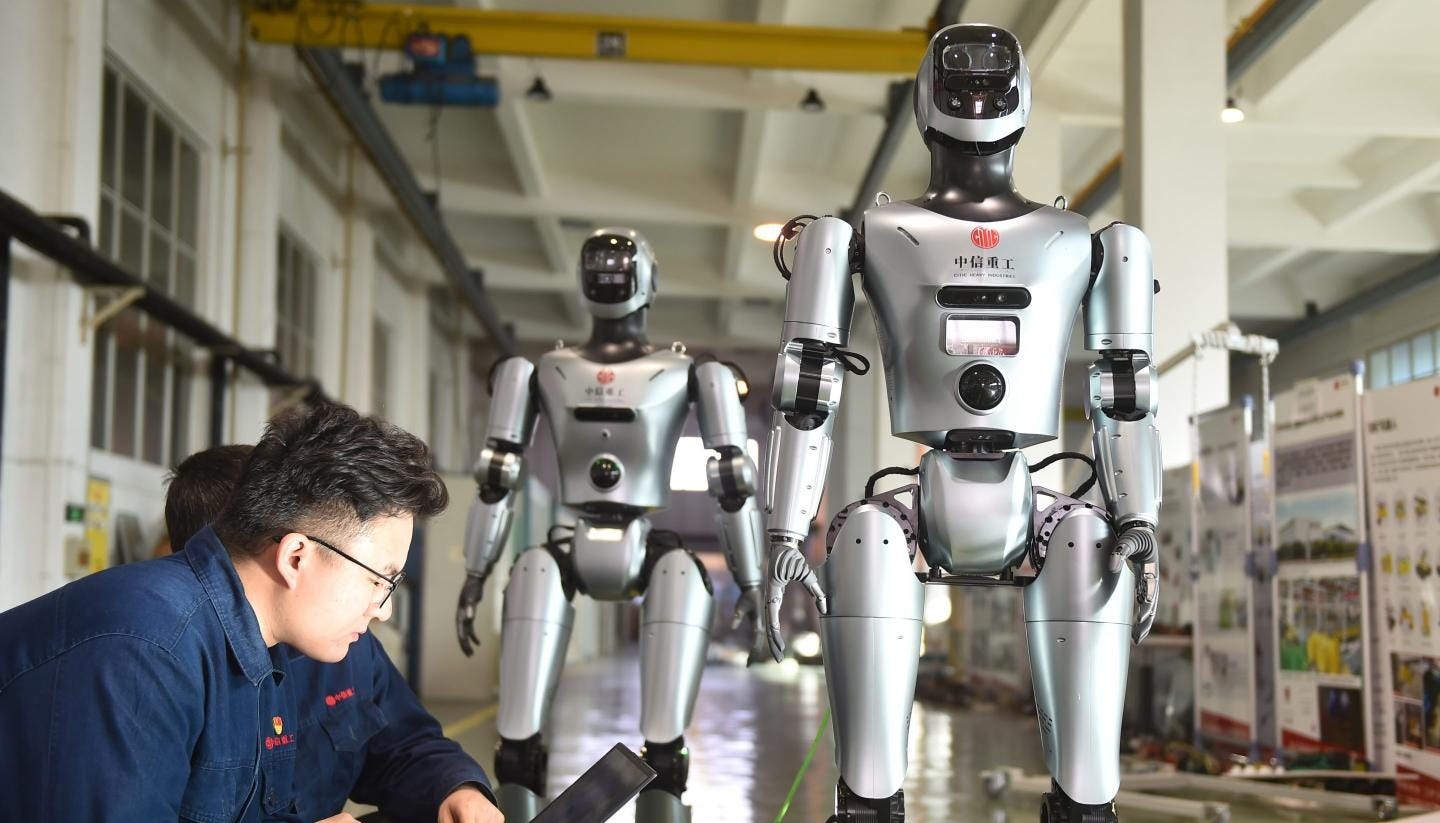
OpenAI is splitting its robotics team, moving researchers into its core research organization while shifting applied robotics and hardware staff into Greg Brockman’s Applied group.
The move reflects OpenAI’s growing belief that general models like GPT-6 Astra can control robots directly, with Astra reportedly outperforming specialized models in Nvidia simulation tests.
Despite the restructuring, OpenAI has not abandoned robotics, with Sam Altman reportedly targeting a first public robot demonstration in 2027.
Why it matters: OpenAI appears to be betting that the same general intelligence powering ChatGPT can become the brain for robots, potentially reducing the need for separate, highly specialized robotics models.
OpenAI launches ChatGPT Wallet for AI agents
ChatGPT Wallet lets OpenAI’s dots agents make purchases for users after each transaction passes an approval and security check.
Built with American Express, Mastercard, and Visa, the system uses per-transaction payment tokens so agents never receive a user’s actual card details.
OpenAI will not take a cut of purchases initially, focusing instead on building merchant and payment integrations around agent-driven commerce.
Why it matters: AI agents become far more useful once they can pay, not just recommend. Wallet turns OpenAI’s agent strategy into a real commerce layer where software can move from planning a task to actually completing it.
Chinese AI firms race to rent Nvidia chips before U.S. closes loophole
Chinese AI companies are reportedly renting access to Nvidia’s most advanced GPUs through data centers in places like Malaysia and Thailand, even when those chips cannot legally be exported directly to China.
The loophole exists because current U.S. controls focus mainly on where chips are physically shipped, not necessarily who accesses them remotely from another country.
Smuggling remains another route, with reports claiming some Chinese labs have also obtained restricted GPUs through intermediaries, though Nvidia has disputed parts of those claims.
Why it matters: Restricting chip exports may not be enough if Chinese companies can still access the same computing power remotely, pushing Washington toward tighter controls on cloud-based AI compute.
Italy fines Meta $887M over Android photo and video access
Italy’s data protection authority fined Meta €805M ($887M), saying Facebook accessed Android users’ photos and videos without sufficient consent or notice through a content-suggestion feature.
Meta has 60 days to disable the feature by default and obtain separate user consent, while the company says it will appeal the ruling.
Around 20 million Android users in Italy were affected, and regulators are also separately examining a newer cloud-processing feature launched in 2026.
Why it matters: The ruling adds more pressure on Big Tech to redesign default data-access practices, especially as regulators scrutinize how personal media may flow into cloud and AI-powered features.
LAST COFFEE SIP
🌎 Around The Ecosystem
Nvidia: More than 115,000 people have signed a petition urging Nvidia to reinstate Jensen Huang, including Elon Musk, Amjad Masad, Tim Sweeney, Garry Tan, thousands of Nvidia employees, and tens of thousands of shareholders.
MUST READ
📚 Worth Your Time
Would your financial model survive the first ten minutes with an investor? Most founders think their financial model needs to prove their business will succeed. Investors use it to check whether they actually understand their numbers. This piece breaks down burn multiple, CAC payback, runway, and the growth assumptions that raise red flags, plus a free financial model template founders can use before fundraising.
Before VCs invest, they’ll call your customers. But what do they really ask? Before investing, VCs often speak directly with your customers, and those conversations can make or break your funding round. This piece reveals the questions investors ask to test retention, defensibility, and customer demand, plus how founders can prepare references without damaging customer relationships.
HIRING ALERT: STARTUPS & VC ROLES
💼 Today’s VC & Startup Job Opportunities
Partner 18, Talent - a16z | USA - Apply Here
Senior Investment Manager - AMEX Venture | USA - Apply Here
Portfolio Management – Citi Ventures | USA - Apply Here
Partner 22, New York Events Space Lead - a16z | USA - Apply Here
Ventures Associate - Plug and Play tech Center | USA - Apply Here
Head of Investor Relations - VIDA Vision Fund | USA - Apply Here
Origination Associate - Flagship | USA - Apply Here
Analyst/Associate - Diagram | Canada - Apply Here
Intern - Investment Management - Yournest | India - Apply Here
Investment Manager - Blue Ashva Capital | India - Apply Here
Check out 31+ VC job opportunities in “BREAK INTO VC” newsletter.
📍 Tips to Break Into VC
When do VC firms actually hire? The hiring calendar partners confirmed
Most aspiring VCs assume hiring starts when a role appears online. In reality, the timing often matters just as much as the application itself. The same outreach can get buried in August and get a reply within days in September, simply because the fund is in a different hiring window.
This deep dive maps the year month by month, showing when to apply, when to focus on outreach, when to build proof of work, and when to stop sending applications altogether.
It also breaks down the event-driven signals that can matter even more than the calendar, including the 90-day window after a fund close, the 7-day window after an associate leaves, and the 30-day window after a new partner joins.
PARTNERSHIP WITH US
🤝 Get your brand in front of 125,000+ decision makers.
Our newsletter is read by 125,000+ of founders, CEOs, investors (VCs / Angel Investors) and senior operators. Get in touch today.
Do you have any news to share about your Startup or VC fund? Please email us.
We’ll be back in your inbox on Tomorrow.